
Part of our Workflow guides
Explore more articles on working faster, managing volume, and delivering efficiently in our Workflows section.
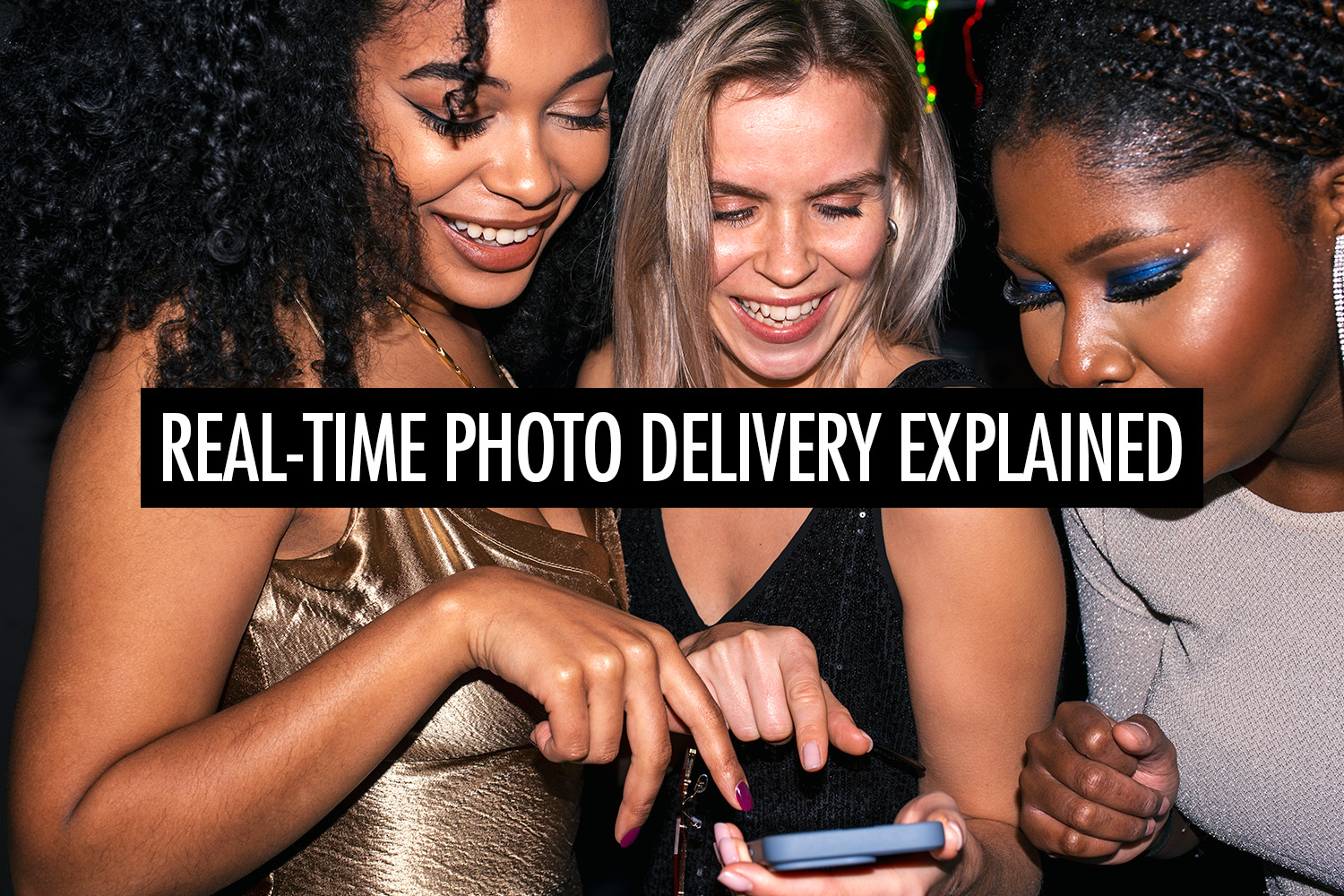
Real-time photo delivery means people can see their photos within seconds or minutes of the photographer taking them. Instead of waiting until you get home to transfer, edit, and upload everything, the images go online while you’re still shooting.
I’ve used this approach at hundreds of corporate events, conferences, roadshows, headshot booths, and weddings. At conferences, attendees scan a QR code and find their photos before the day ends. At roadshows, guests receive photos live and post them straight away. At headshot booths, participants get their portraits on the spot instead of waiting days for an email. And at weddings, I’ve watched guests share my photos and tag me while the reception is still in full swing.
Real-time delivery turns photography into part of the event, not something delivered days later. It’s part of a photography workflow designed for fast delivery, where images move quickly from capture to sharing. In this guide, I’ll break down why it works, when it makes sense to use, and how to set it up without overcomplicating the process.
Who Actually Benefits From Real-Time Delivery?

Real-time delivery changes the experience for everyone involved, from guests to organisers to photographers.
Across many of the events I’ve covered, engagement rates with real-time delivery exceed 90%. Most attendees actually visit the gallery and download their photos. Compare that to traditional post-event delivery, where many people never even visit the gallery, and the difference is obvious.

The reason is timing. When delivery happens while energy is still high, people act. When it happens days later, most of that momentum is gone.
Guests
Before I started using real-time delivery, I would regularly receive messages from guests asking where they could find their photos. With a traditional workflow, most guests simply never see them. By the time the gallery is sent out days later, the event is over, inboxes are full, and the excitement has faded.
Timing makes a big difference from the guest’s point of view. When someone receives their photo within seconds of it being taken, there’s an immediate reaction. I’ve seen people look at their phone, turn to their friends, laugh, and say they’re posting it straight away. In that moment, the photo becomes part of the experience.
If face recognition is enabled, guests can upload a selfie and instantly see only their photos instead of scrolling through the entire gallery to find themselves. The process feels simple and effortless.
Brands and Organisers
Clients want guests interacting, sharing, and talking about the event while it’s still happening. When photos are delivered instantly, that engagement happens in the moment.
Live slideshows amplify that effect. When I show my photos on screens during the event, people look up, point themselves out, and gather around to watch. Photography becomes part of the experience rather than something happening quietly in the background.
I’ve worked with brands like LinkedIn and Uniqlo specifically because they wanted that kind of engagement. When attendees receive a professional photo within minutes, they post it while they’re still there, tagging the brand and the event. At one conference, people were already posting on LinkedIn before the keynote had finished.
For marketing teams, real-time delivery also makes it possible to publish content while the event is still in progress. Instead of waiting until the day is over, they can select and share photos for social media updates, live coverage, or announcements as activities take place.
Photographers
Real-time delivery has improved my business in a meaningful way.
In the past, I would hand over the full gallery to the organiser and hope it reached the guests. After that, everything was out of my control. If the link wasn’t shared widely, most guests never saw the photos, and my involvement ended the moment I delivered the files.
With real-time delivery, guests access their photos directly from my gallery and see my name attached to the work. When someone shares a photo minutes after it’s taken and tags me, that exposure happens while attention is still on the event.
I’ve seen this repeatedly at conferences and brand activations, where attendees post their images while they’re still on-site. That visibility often leads to messages from other organisers or exhibitors who discover my work in real time. The same thing happens at weddings, where live delivery helps my photos circulate among guests.
It also strengthens how I position my service. Real-time sharing is a value add that clients understand intuitively because they can see engagement happening during the event itself. That makes it easier to charge more without increasing my hours on site.
Common Use Cases for Real-Time Photo Delivery
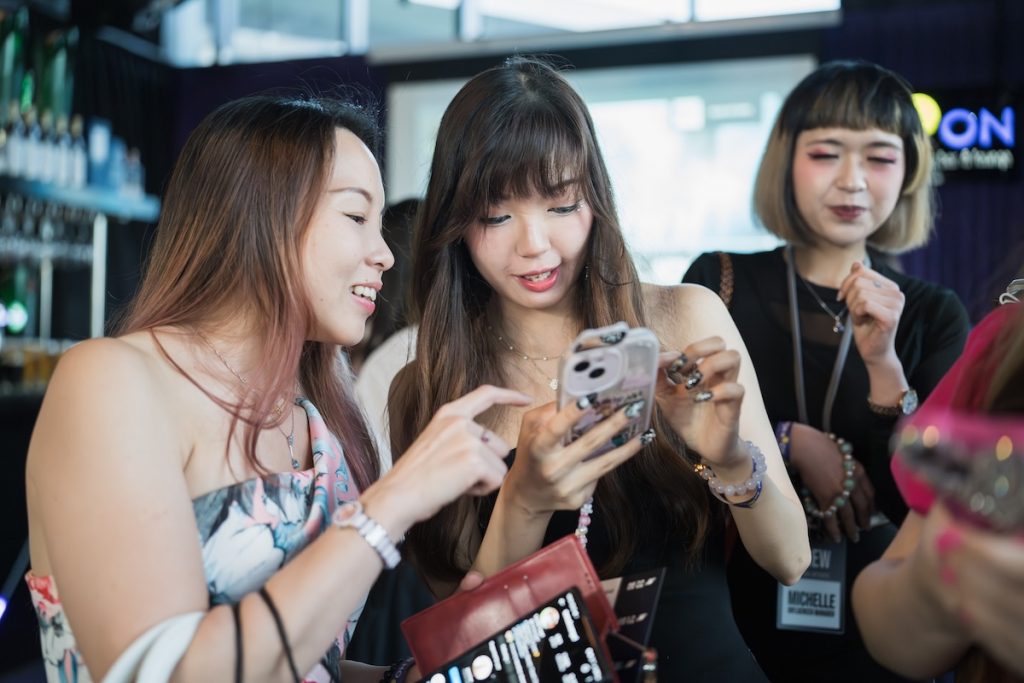
Real-time delivery isn’t for every job. I suggest it to clients when instant access to photos clearly adds value, and that typically falls into a few common scenarios.
Headshot Booths
A headshot booth is a portable portrait setup used at conferences, trade shows, roadshows, or brand activations to produce clean, professional headshots in high-traffic environments.
This is one of the most natural use cases for real-time delivery. I would not have been hired for many conference and roadshow projects without it.
From an organiser’s perspective, the booth becomes more engaging when delivery is instant. When participants receive their headshots on the spot and share them online, sponsor branding travels with the image and extends the reach of the activation.
Public events also limit follow-up. At conferences and roadshows, you often can’t collect personal contact information, so on-site delivery is the only reliable option. Even when contact details are available, sending portraits individually after the event is time-consuming and doesn’t scale. Instant sharing shifts that entire process into the live shoot, where delivery happens once and is done.
Events and Weddings
Events and weddings are a natural fit for real-time delivery because guests want to see and share their photos while the celebration is still happening.
At weddings, I’ve used it to run live slideshows during the reception, with newly captured photos appearing on screen throughout the evening. People spot themselves, laugh, and call their friends over. It makes photography feel like part of the night rather than something delivered later.
The same applies to conferences and large events. When photos are shared during the event instead of after it, people engage with them while they still care, not once everyone has gone home.
Sports and Marathons
Sports events and races are another scenario where instant delivery makes a real difference.
I’ve photographed races where runners start looking for their photos almost as soon as they cross the finish line. Some are still catching their breath while checking their phones. When photos are available immediately, they find them while the adrenaline is still high.
Speed directly affects sales. When images go live shortly after the race, purchases happen quickly because runners are still excited about their achievement. If delivery is delayed by days, that urgency fades and fewer people return to buy.
Even when I’m not selling photos directly, organisers still want fast delivery. They want participants sharing their race photos on social media while the event is still top of mind. Every shared photo increases the visibility of the race and helps attract more participants next time.
Tour Operators
Tour operators and activity providers use real-time delivery to make photography part of the experience.
We’ve seen this with operators like Icebreaker Sampo Cruise and Ultraswim 33.3, where participants receive their photos during or shortly after the activity. Instead of waiting for an email days later, guests can access their images while they’re still on-site.
It simplifies delivery for the operator and makes the experience feel complete for guests.
How Real-Time Photo Delivery Works

Live sharing is about getting photos from your camera into an online gallery as quickly as possible.
Years ago, I handled this manually. I would swap SD cards with an assistant during the event, who would offload the images and upload them to a gallery. It worked, but it was tedious and required constant coordination.
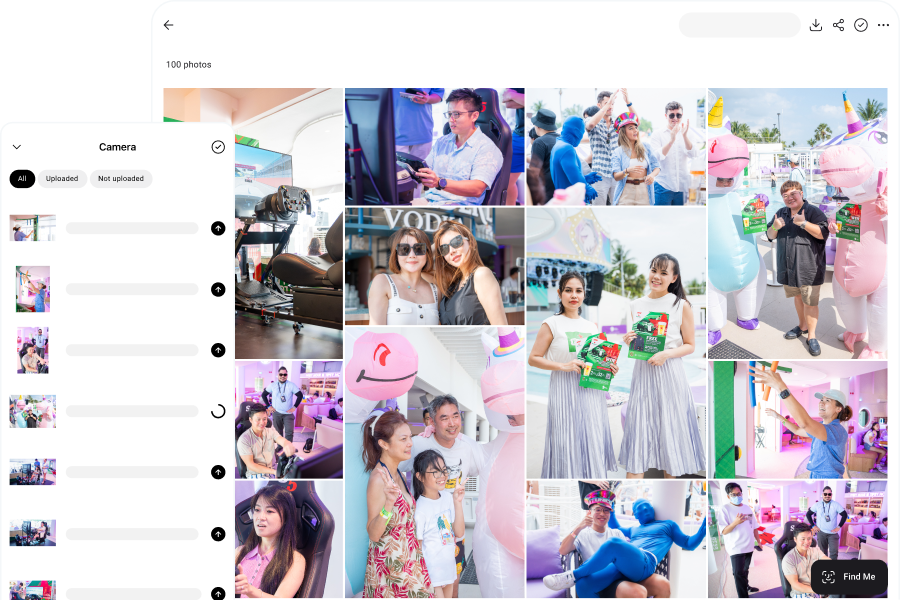
Now I use Honcho’s real-time photo delivery platform to handle the process for me. As I shoot, images upload automatically so guests can access them within seconds.
Camera to Cloud
This is the most critical component of real-time delivery. If your images can’t move from camera to cloud during the event, then it isn’t truly real-time.
In my setup, photos are transferred from my camera to a mobile device, which uploads them to the cloud in the background while I continue shooting. I don’t need to stop and manage files. As long as the connection is stable, images begin appearing in the gallery within seconds.
This same workflow can power other real-time experiences at events. For example, the uploaded images can feed live slideshows on venue screens or even be printed on-site within minutes.
I transfer JPEG files instead of RAW because JPEGs are much smaller and upload much faster. The photos are meant to be shared immediately, so there’s no practical reason to transfer RAW files during the event.
Face Recognition
I create a QR code or shareable link for the event so guests can access the gallery directly. With Honcho’s face recognition feature enabled, they can upload a selfie and instantly find their photos.
Instead of scrolling through hundreds or even thousands of images, they see only the photos where they appear. At larger events, this makes a huge difference. Without it, most people simply won’t take the time to search manually.
Notifications
Guests can opt in to receive notifications when new photos are available. If I share the gallery ahead of time, they can sign up for notifications before the event begins.
When a newly uploaded image matches their registered selfie, they receive a link by email or WhatsApp. They don’t need to keep checking the gallery, because the photos come to them.
What to Consider Before Offering Real-Time Delivery
Real-time delivery adds complexity to a shoot.
When I’m delivering photos live, there’s an additional workflow running alongside the photography itself. At larger events, I may bring an assistant to monitor uploads or manage a live slideshow. That increases cost and adds another layer of coordination during the event.
Editing expectations also need to be clear. Photos delivered in real time are typically straight out of camera or only lightly adjusted. They aren’t final edits. If a client expects every image to be polished before anyone sees it, real-time delivery isn’t the right fit.
Photographers often worry that unedited images will look unfinished. In my experience, guests don’t evaluate photos the way we do. They want to see themselves and have something to share while the event is still happening. At most events, they wouldn’t receive a professional photo at all. When they get one instantly, even without editing, they’re usually excited.
The key is setting expectations upfront. Live delivery is about speed and engagement. A fully edited gallery, if included, can be delivered separately.
Conclusion
When photos are delivered during the event, people engage with them. Guests download and share, brands gain visibility, and as a photographer I benefit from direct exposure instead of relying on someone else to distribute the work later.
That said, it isn’t something I use for every job. If instant access doesn’t meaningfully improve the experience, there’s no need to add the extra complexity.
When it does make sense, real-time delivery changes how photography fits into an event. Instead of delivering memories afterward, you’re contributing to the experience in the moment.
Frequently Asked Questions
You need a stable connection, not necessarily extremely fast internet. I transfer JPEG files instead of RAW because they’re smaller and upload much quicker. As long as the connection is reliable, photos usually appear in the gallery within seconds. If the connection slows down, uploads may lag slightly, but the workflow still functions.
No. Photos delivered during the event are typically straight out of camera or lightly adjusted. The goal is speed and engagement, not perfection. If a fully edited gallery is part of the job, that’s delivered separately after the event.
Yes, if it complements the workflow rather than replaces it. I use it for live slideshows and instant sharing during the reception, while still delivering a fully edited gallery later. It enhances the experience without changing the expectations around the final images.
At minimum, you need a camera, a mobile device to transfer images, and a platform that can upload and distribute them. I use Honcho to handle the uploads, face recognition, notifications, and gallery access so everything runs automatically during the event.
Only when it clearly adds value. I recommend it when instant access improves the guest experience, increases engagement, or supports brand visibility. If timing doesn’t matter for the job, a traditional workflow is usually simpler.