
Bicycle races move fast. Cyclists fly past in seconds, the crowd erupts, and the whole rhythm of the event shifts every time the pack approaches. That speed and unpredictability are exactly what make cycling races so exciting to photograph. You’re not just freezing motion, but you’re trying to capture focus, grit, teamwork, and energy that pulses through the course.
In this guide, you’ll learn how to prepare for a cycling race, choose the right shooting spots, dial in your settings, and build a strategy that lets you keep up with the pace of the event. Whether you’re shooting a local criterium or a long road race, the goal is the same: create images that feel alive, tell the story of the day, and give cyclists something they’ll want to relive again and again.
What Makes a Great Bike Race Photo?
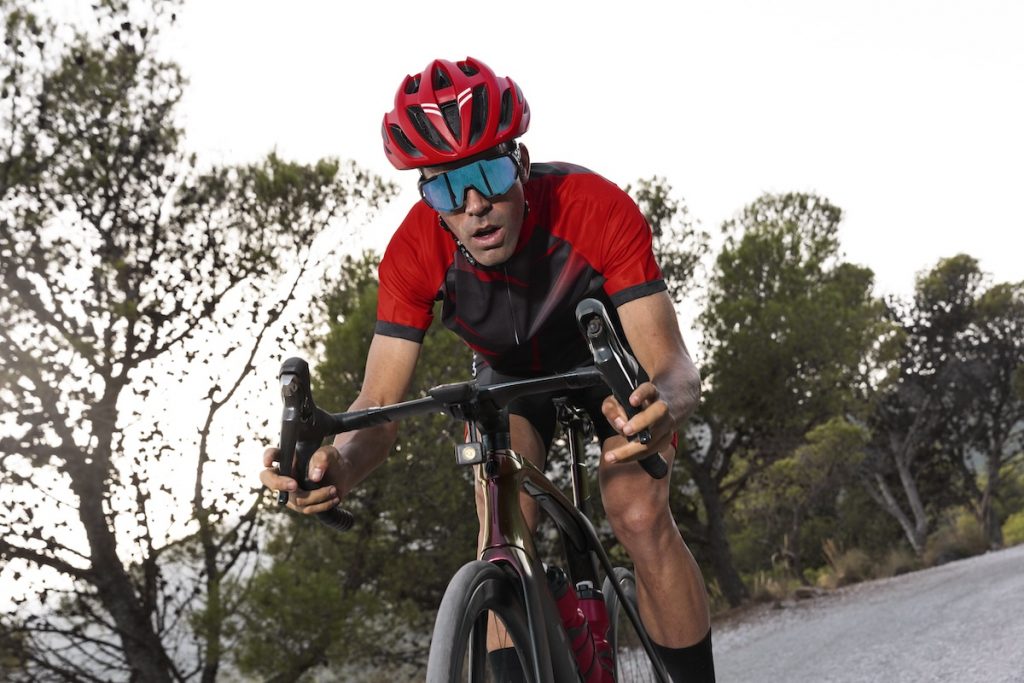
Great bicycle race photos do more than freeze motion. They capture what the race feels like. The concentration in a rider’s eyes, the way a peloton moves as one unit, and the atmosphere along the course all add to the story behind each participant’s effort. That emotion is what makes an image stand out.
Strong coverage also relies on variety. Mix moments from the pack, quick close-ups, wider environmental scenes, and small details like bikes, gear, or reactions around the route. A good gallery feels complete and gives people a sense of being there.
Consistency and volume matter just as much as creativity. Riders often appear only once in front of your lens, and sometimes for only a split second. Shooting steadily throughout the bike race ensures you catch clean, usable images for as many participants as possible. It’s this combination of emotion and variety that makes a gallery feel complete.
Pre-Race Planning and Scouting
Preparation is one of the most valuable parts of photographing a cycling event. Bike races move fast, and by the time the pack arrives at your location, there is very little room for improvisation. Studying the route map early lets you identify interesting sections such as climbs, descents, winding corners, or long straightaways where the group is likely to stretch out. These areas often create natural opportunities for strong images.
If you are able to walk the course beforehand, take the chance. Even a short visit gives you a clearer sense of how the surroundings will appear in frame. You may notice a curve framed by trees, a hill that catches the morning light, or a clean background that helps isolate the riders. These small discoveries can shape your entire shooting plan.
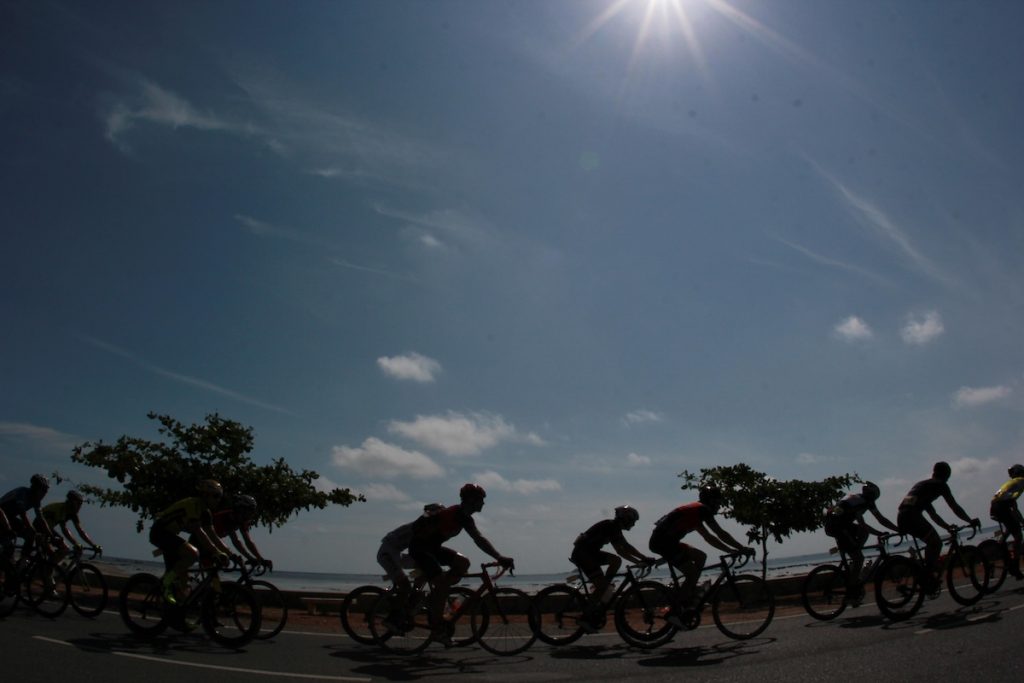
Light is one of the biggest factors in fast-moving cycling races. Note where the sun will be at race time and how shadows fall across the road. A section that looks ordinary at midday might look dramatic in warm early light. Planning around this can elevate your results without requiring more gear or complex techniques.
Arrive on race day with a simple strategy. List two or three key spots you want to cover and the type of shot you want from each location. Having that plan helps you stay calm and focused when everything starts happening at once.
Gear and Technical Setup
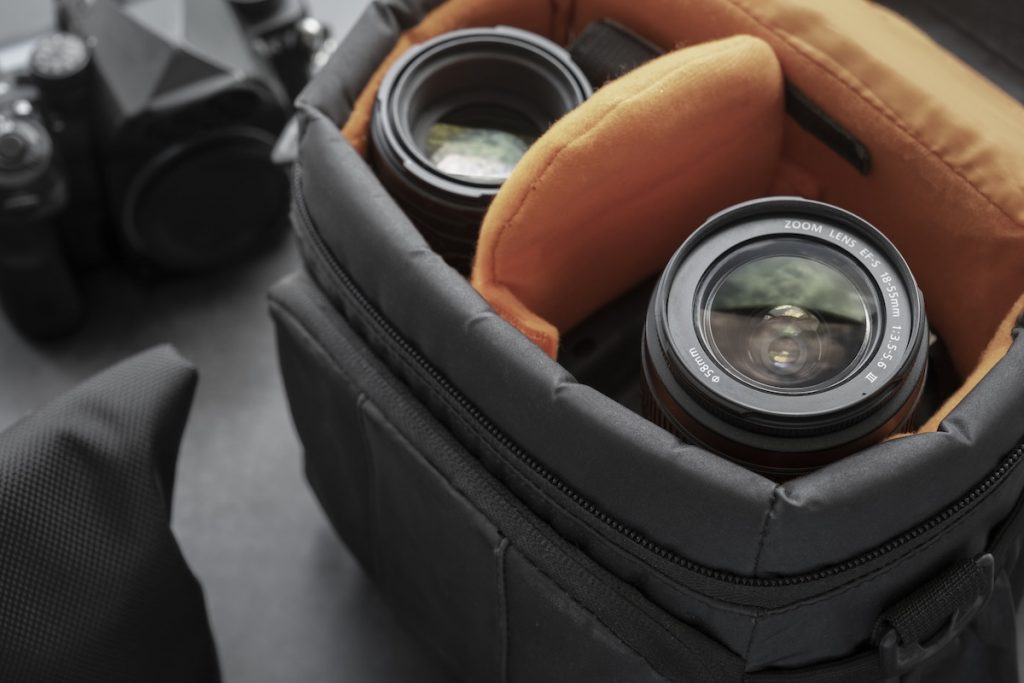
Cycling races demand gear that reacts quickly. A mirrorless or DSLR camera with reliable autofocus is a strong starting point. Pair it with a telephoto zoom such as a 70–200 mm, which gives you reach for close-ups and enough flexibility for group shots. If the route opens up into long straight sections or wide landscapes, adding a second lens with a wider focal range can help capture environmental frames.
A monopod can help during long hours of shooting, especially if you plan to stay in one location for extended periods. However, many photographers prefer working handheld to move freely between angles. Comfort and mobility often matter more than having a full kit with every option.
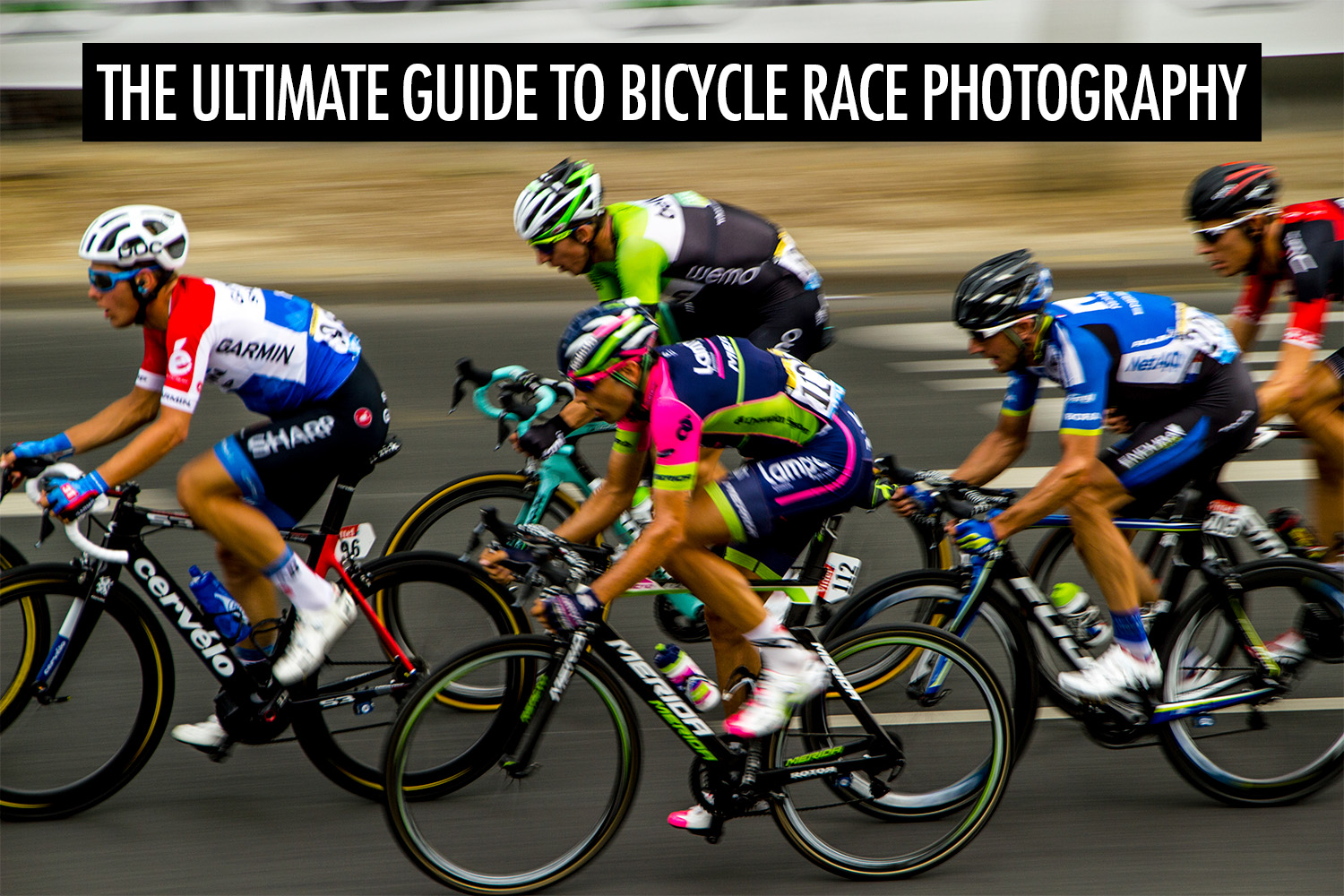
Your settings will depend on the style you want to achieve. To freeze the action, use a fast shutter speed such as 1/1000s or faster. Continuous autofocus and burst mode help you follow riders with more accuracy. For a more dynamic feeling, use slower shutter speeds and pan with the rider. This keeps the cyclist sharp while the background blurs, giving a sense of motion. It takes practice, but even a few successful frames can add depth to your coverage.
Cycling routes often move between bright sunlight and shaded sections, so monitor your exposure regularly. Adjusting ISO or aperture on the go becomes second nature once you get into the rhythm of the bicycle race.
Shooting Strategies and Composition Techniques
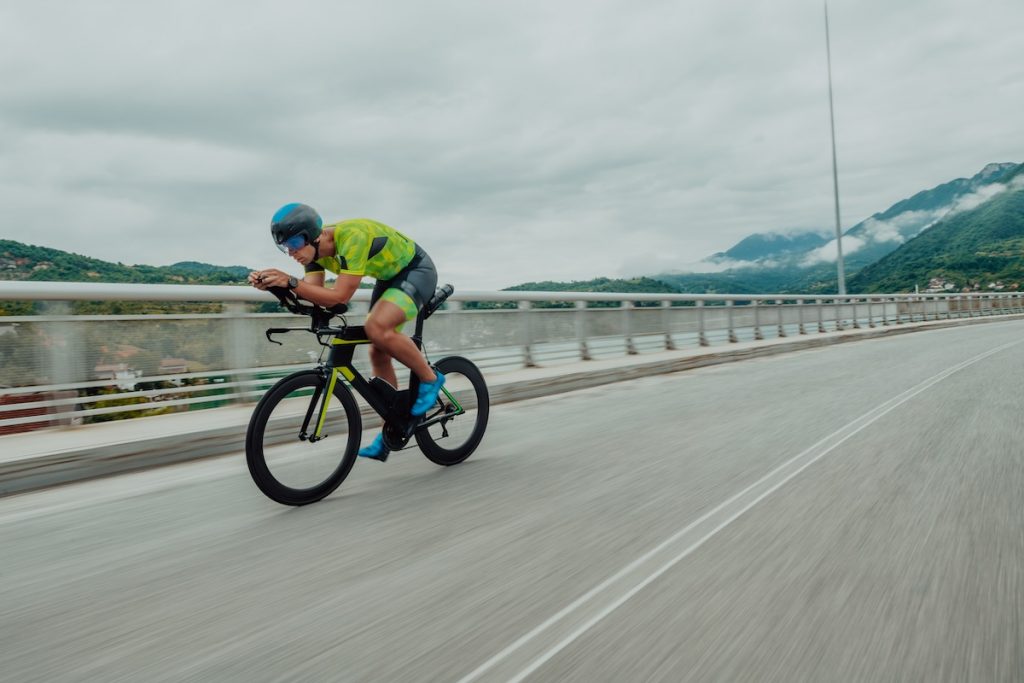
Once the bike race begins, the pace is intense. Cyclists approach quickly and pass in seconds. This is where having a variety of shooting techniques makes a difference. Being mentally ready for these rapid moments helps you stay calm and capture cleaner frames.
Close-up shots reveal the emotion behind the effort. Look for clenched jaws, focused eyes, and hands gripping the bars. These small moments carry the weight of the bike race and give your gallery a personal touch. The more you learn to anticipate these expressions, the easier it becomes to catch them at just the right time.
Group or peloton shots show scale and movement. Try finding spots where the pack naturally tightens such as corners, climbs, or narrow sections of the route. These areas slow riders slightly, which gives you more time to compose your shot and allows the layers of the group to overlap in interesting ways. Capturing how the pack shifts and responds to the course adds a dynamic storytelling element to your coverage.
Environmental shots add context and help tell the story of the bike race as a whole. Frame riders against scenic backgrounds, long stretches of road, spectators cheering, or banners marking key checkpoints. These images connect the riders to the atmosphere around them. They also provide a visual break that makes your gallery feel varied and well paced.
Panning and motion blur introduce a sense of speed that standard freeze shots cannot replicate. Follow the rider smoothly while releasing the shutter at a slower speed. Even if only a few frames work, the results can become some of the most memorable images in your set. Once you find the rhythm of your movement, panning can quickly become one of your signature techniques.
Changing angles keeps your gallery fresh. Shooting from a low position creates a sense of power and makes the cyclist feel larger. Higher viewpoints help reveal patterns in the group or the shape of the road. Experimenting throughout the bike race ensures your final collection feels balanced. Small adjustments in where you stand often lead to completely different and more interesting compositions.
Safety and Logistics
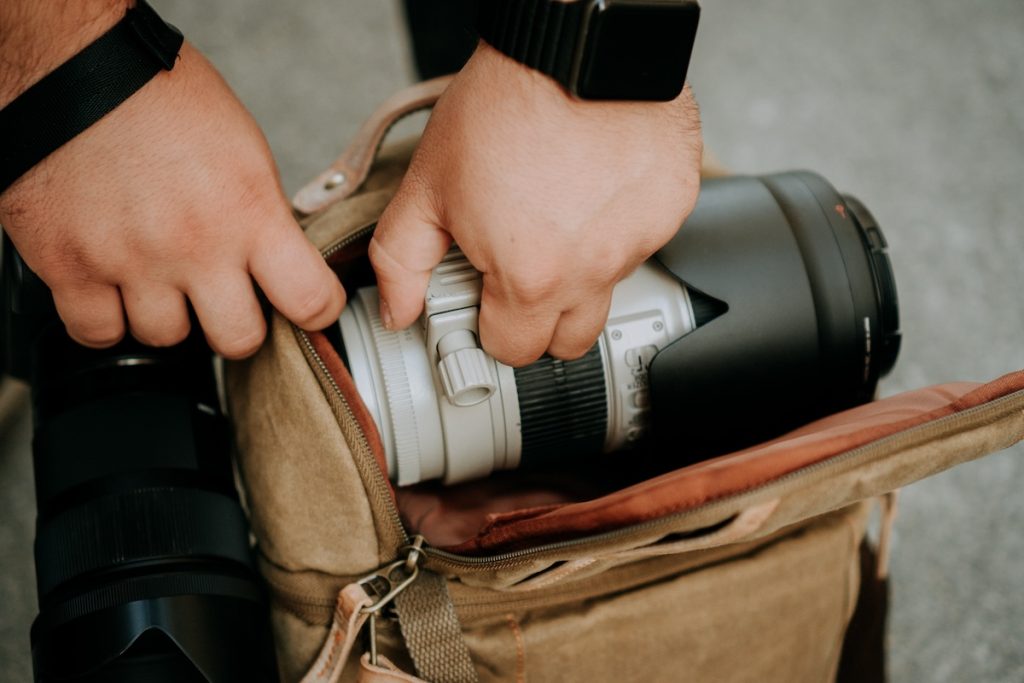
Cycling races can be unpredictable, and the speed of the cyclists means you always need to treat safety as the highest priority. Stay behind barriers when they are provided and avoid stepping onto the road, even if it looks clear. Riders react in split seconds, and any unexpected movement from a photographer can disrupt their line or create a dangerous situation. Your presence should never influence a cyclist’s decisions or path.
If you are photographing from a motorbike or official vehicle, follow every guideline set by the race organizers. Maintain steady distances, avoid blocking the wind for cyclists, and keep movements smooth so the competitors can focus on the race. Good moto photographers almost disappear into the background, and that is exactly how it should feel.
Keep your gear simple and manageable. A heavy backpack slows you down and makes you less aware of your surroundings. Pack only what you know you will use, plus essentials like spare batteries, memory cards, and something to keep your lens clean. Staying light helps you move efficiently and respond to the flow of the bike race.
Long events can put stress on your body too. Wear comfortable shoes, hydrate often, and bring protection for sun, rain, or unexpected weather changes. Taking care of yourself ensures that you stay sharp from start to finish. The more prepared and aware you are, the more confidently you can position yourself for great shots without putting anyone at risk.
Challenges Unique to Bicycle Races and How to Overcome Them
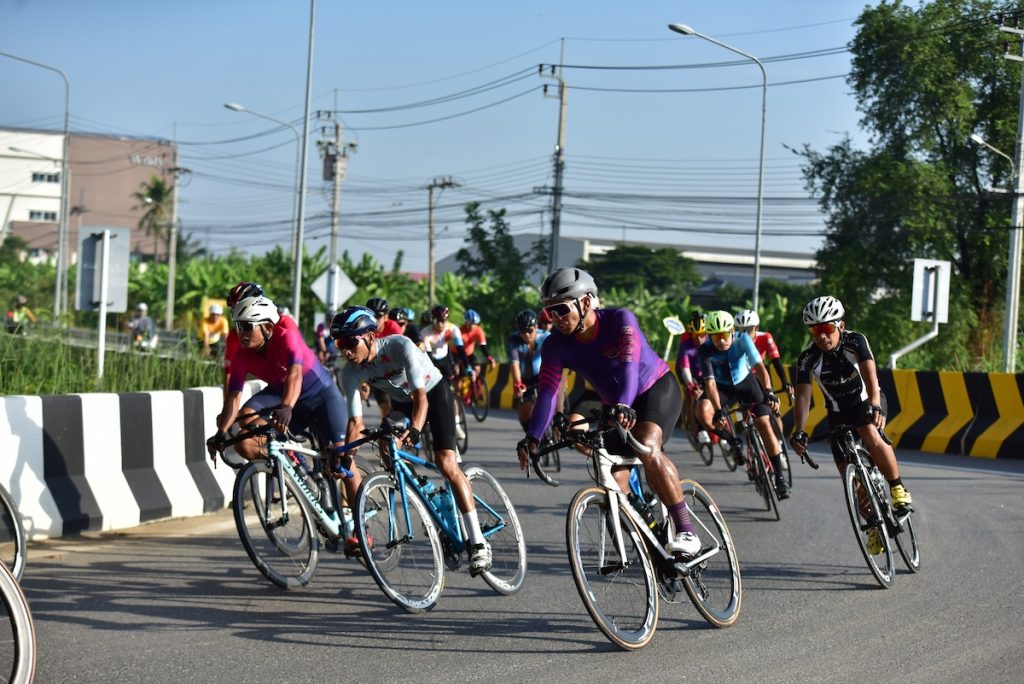
Bicycle races bring a specific set of challenges that differ from many other sporting events. The speed of the riders is often the biggest hurdle. Cyclists can appear in your frame and disappear almost instantly, so timing becomes crucial. To overcome this, train yourself to anticipate movement rather than react to it. Listen for the crowd before the riders arrive and keep your camera ready in burst mode long before they are in sight.
Another challenge is predicting how the cycling race will unfold. Breakaways, chases, and group splits happen quickly, and the action can shift to a different part of the road without warning. Staying flexible helps a lot. Avoid locking yourself into a single shooting location unless it is particularly strong. Move with intention, and treat the race like a story that changes chapter by chapter.
Lighting can also be inconsistent across long routes. Riders may pass from harsh sunlight into deep shade within seconds. Monitoring exposure constantly and being comfortable adjusting settings on the fly will help you maintain consistent image quality. Learning to prefer slightly safer exposures, such as protecting highlights, gives you more room to work with later.
Crowd density can become a challenge too. Popular sections of the route often attract large groups of spectators, which can block your angle or limit your movement. The best solution is to arrive early, communicate with spectators politely, and position yourself with enough space to work. People are usually happy to help when they understand your role.
Finally, the physical demand of following a cycling event should not be underestimated. Whether you are moving along the course on foot, driving between points, or riding on a motorbike, the constant repositioning can be tiring. Preparing a clear route plan, knowing the race schedule, and pacing yourself throughout the day helps prevent fatigue and ensures you remain ready for key moments.
Instant Photo Delivery and Sales With Honcho
Honcho is built for fast-moving sports, and bicycle races are one of the toughest environments to keep up with. Riders move quickly, pass in packs, and cover large distances, so timing is everything. Honcho solves the biggest challenge in bike race photography by letting you deliver photos instantly as the race unfolds. Instead of waiting hours or days for galleries to go live, cyclists receive their images right when they cross the finish line, when the adrenaline and excitement are at their peak.
Instant delivery keeps the energy high. Cyclists love reliving their climbs, sprints, and finish-line moments while the effort is still fresh in their minds. Many will share their achievements immediately, which creates organic promotion for the bike race and builds stronger emotional ties between riders and organizers. Sponsors benefit too. Branded images circulate widely on social media, giving every share a much higher impact.
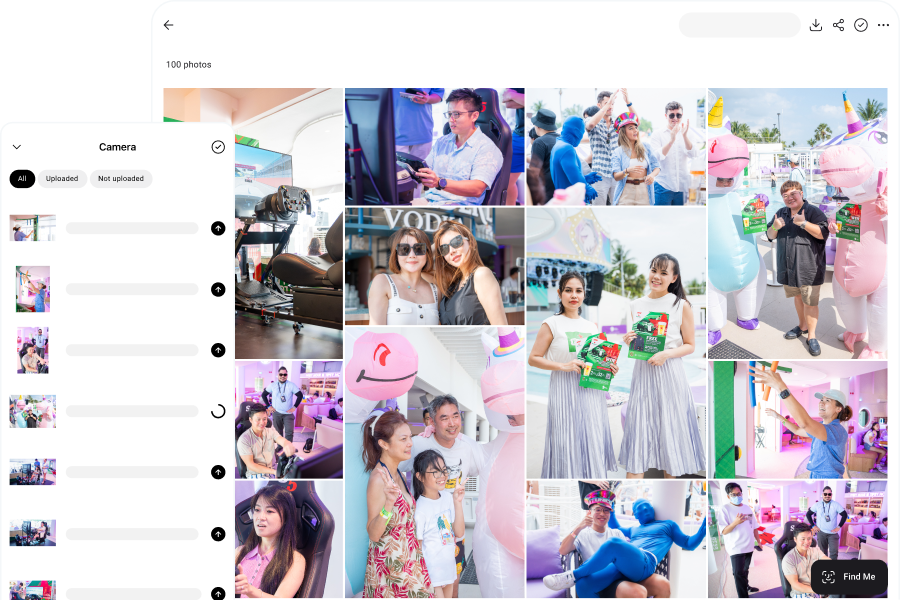
Before the race begins, you can create a gallery in the Honcho app and generate a custom QR code for the event. This code can be shared during registration or printed on event banners and race-day signboards. When cyclists scan the QR code, they’re taken straight to the gallery. From there, they upload a selfie and Honcho’s face recognition handles the sorting so they instantly find the photos where they appear.
If riders scan the QR code ahead of time, Honcho sends them an email or WhatsApp message as soon as their photos are uploaded. Whether they want to revisit a tough climb, check out their finishing sprint, or share their team’s performance, the delivery is immediate and personal. Riders do not have to scroll through hundreds of images to find themselves. Everything is waiting for them the moment they finish.
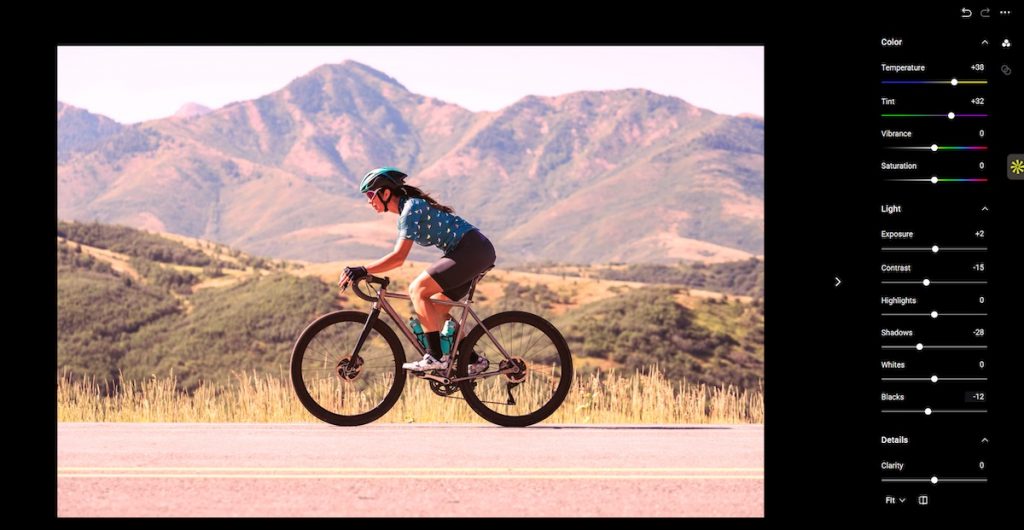
Your workflow stays simple. Tether your camera to the Honcho app and upload to the cloud as you shoot. Honcho sorts and matches everything automatically. If you want to clean up your shots on the spot, you can instantly apply presets or have an assistant edit through the built-in collaborative photo editor. This keeps your images consistent and polished while the bike race is still ongoing.
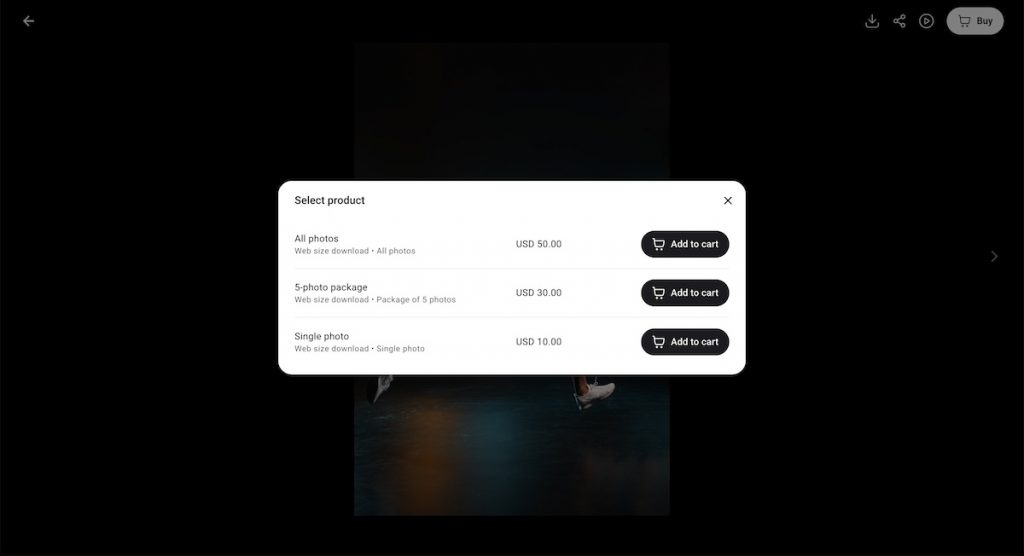
Honcho also helps you turn every event into a revenue stream. Live delivery boosts sales because cyclists are most eager to buy their photos right after a race. With a single click, you can add an online store to your gallery and start selling photos while you shoot.
Every gallery includes your logo, profile, and contact information. As cyclists view and share their photos, they’re also discovering your work. This exposure helps you build credibility in the cycling community and often leads to new bookings, whether for local crit races, gran fondos, or multi-day stage events.

To support your growth even further, Honcho includes a customizable lead capture form. You can collect names, emails, and even rider feedback directly through your gallery. For public races and sponsored bike events, this transforms image traffic into a steady source of potential clients with no extra effort on your part.

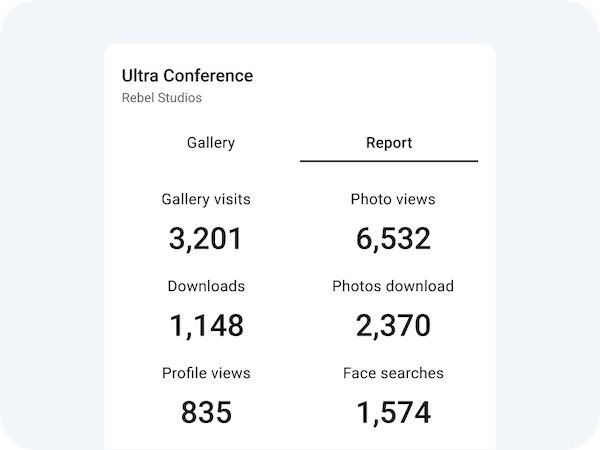
Once the bike race wraps up, Honcho provides detailed analytics showing how many riders scanned the QR code, how many face searches were triggered, and how many people viewed your profile. You can use these insights to refine your approach and to present clear performance results to organizers and sponsors.
Everything runs quietly in the background. You don’t have to stay up late uploading thousands of images or rushing through post-event chaos. Honcho lets you deliver a modern, polished experience while staying focused on the real work: capturing the speed, effort, and atmosphere that define every bike race and growing your business with every event you shoot.