
Instant photo sharing is when photos are delivered to guests in real time, often within seconds of being taken. That shift turns photography from something people receive after the event into part of the experience.
I’ve been doing this since 2016 across hundreds of conferences, corporate events, weddings, and headshot booth activations. One thing is consistent: when photos are available instantly, people engage with them. They look for their photos, react to them, and share them while everything is still happening.
This is especially relevant for event organisers, marketers, and photographers looking to increase guest engagement during events.
In this article, I’ll break down how instant photo sharing shapes guest behaviour during events, and how features like live slideshows, face recognition, and instant printing contribute to that. The biggest change isn’t better photos, but faster access to them.
Why Engagement Matters at Events
For event organisers, engagement is often one of the key metrics used to measure an event’s success, alongside attendance. It drives outcomes like social reach, sponsor visibility, and repeat attendance, and can also directly impact how much you’re able to charge for your services.
That’s why many events include interactive elements like games, installations, or branded booths. They’re designed to pull people in and get them involved, rather than just observing what’s happening.
Photography is starting to play that same role.
How Instant Photo Sharing Changes the Event Experience
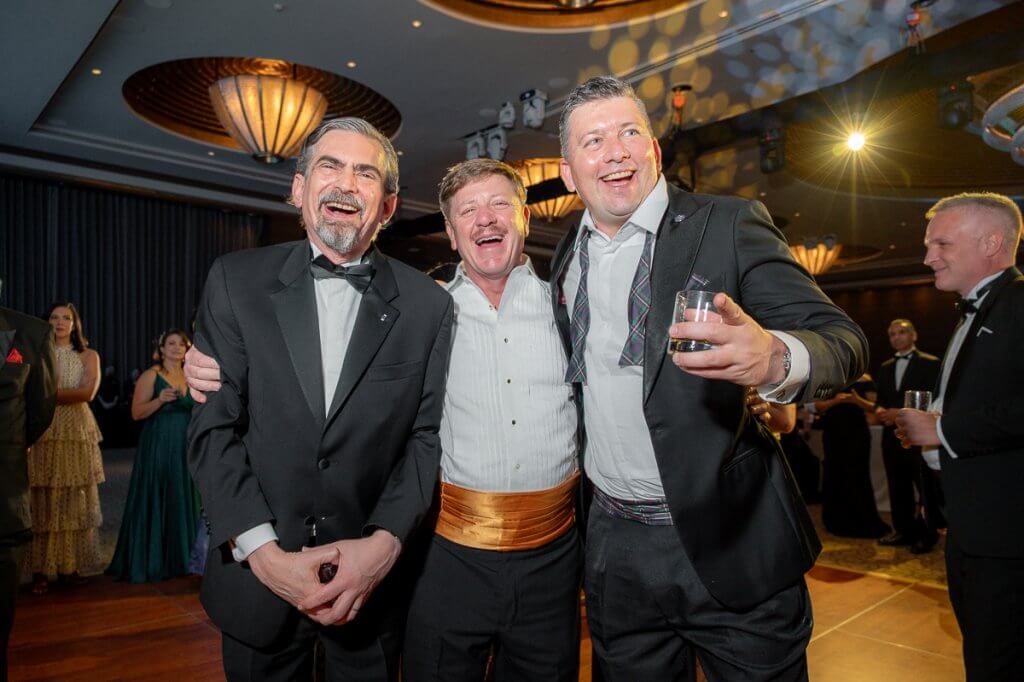
With instant photo sharing, photography shifts from something people see after the event to something they interact with during it.
Instead of a one-time interaction, it becomes a continuous loop. Guests check for their photos, react to them, and gather around screens or galleries as new images appear.
Guests Find Their Photos Instantly
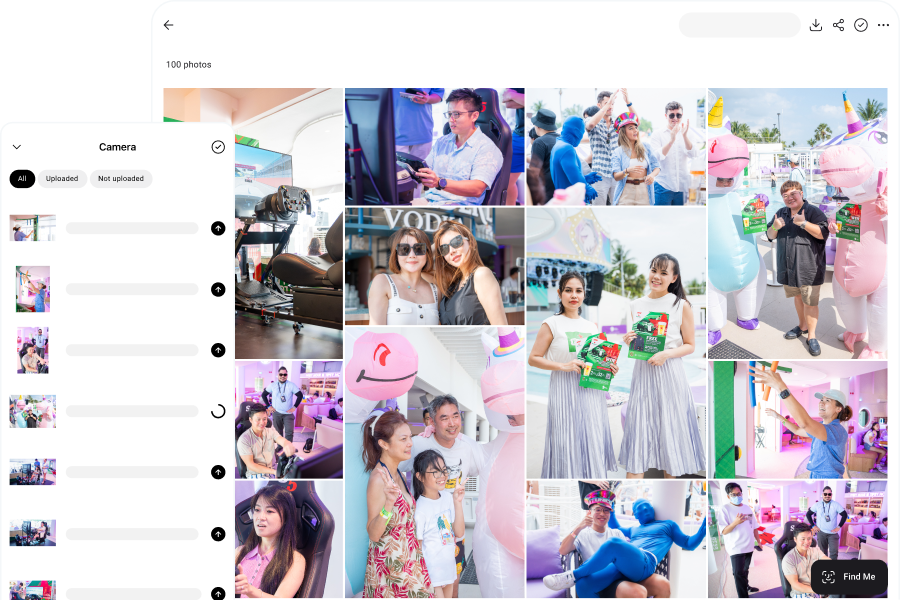
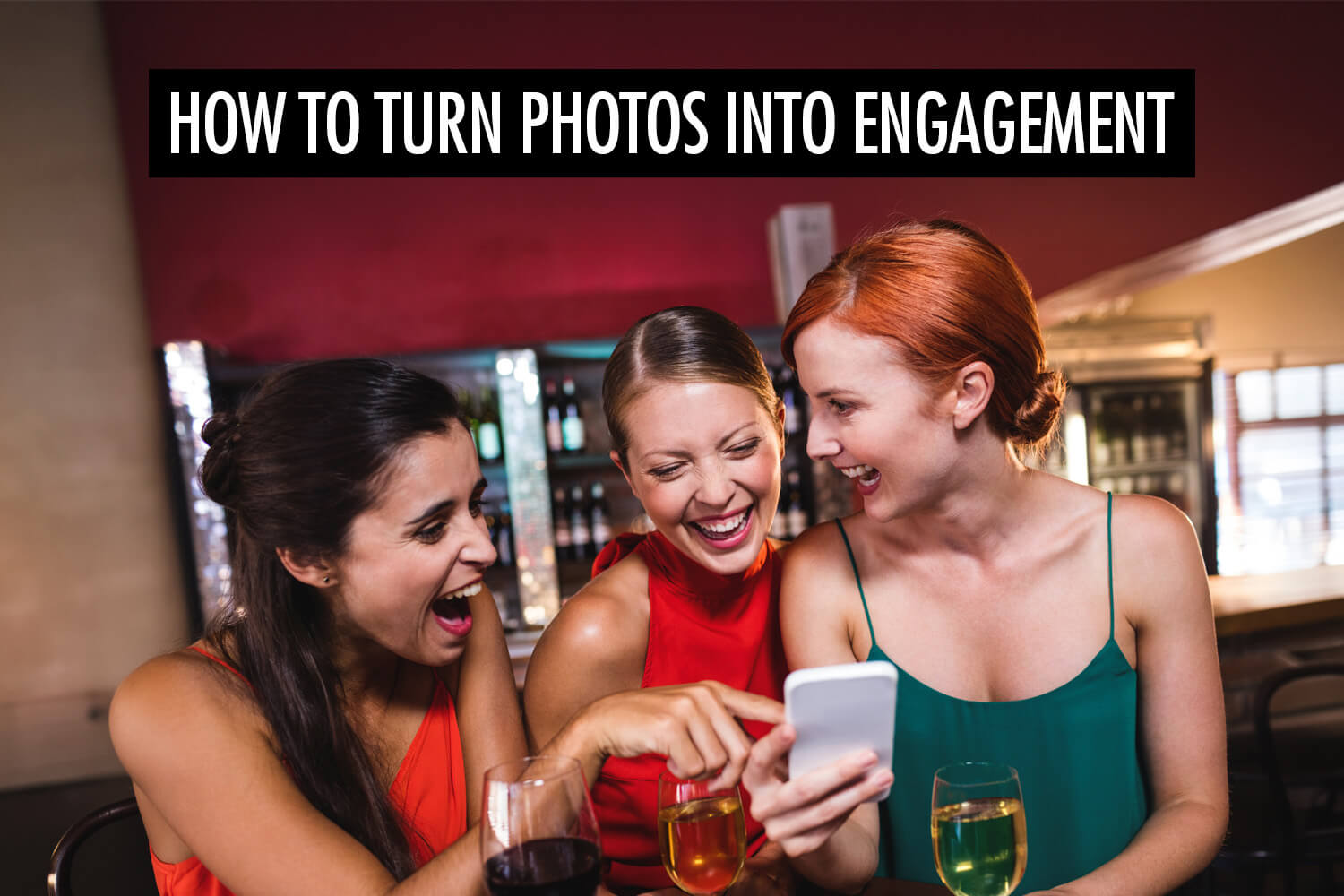
When images are uploaded in real time, I see guests checking the gallery almost immediately. They’ll scroll through photos, point themselves out to friends, and keep coming back as new images appear.
Face recognition makes this much easier. Guests can register a selfie once, and the system automatically finds their photos for them. At larger events, this removes the need to manually search through hundreds or thousands of images.
Notifications take it further. Instead of checking repeatedly, guests get alerted when a new photo of them appears. I’ve seen this happen mid-conversation. Someone gets a WhatsApp notification, opens their photo, and reacts to it.
That loop of getting notified, opening, and reacting keeps pulling people back. This is the instant photo sharing setup I use at most events with Honcho, where everything happens within seconds.
At one recent event, we saw 7,000+ gallery visits, 15,000+ photo views, and 3,000+ face searches, all during the event itself. These are engagement numbers I’d never see with post-event delivery.

When photos are shown on screens through a live slideshow, they become something everyone experiences together.
At events, this often turns into its own form of entertainment. A candid shot appears, someone recognises themselves, and suddenly a whole table is reacting to the screen. People start looking up after taking a photo, waiting to see if it appears.
Because the turnaround is so fast, guests begin to anticipate it. The screen becomes something they actively watch, not just a background display.
Instant Photos Drive Social Sharing
Timing makes a big difference to whether people share their photos.
When I deliver images during the event, I consistently see guests share them almost immediately while they’re still in the moment. They post on Instagram or LinkedIn, send photos to friends, and tag the event or sponsors while everything is still relevant.
When photos arrive days later, that window is usually gone. People still appreciate them, but they’re far less likely to share.
With instant delivery, photos become part of the live conversation around the event, not just something people look at afterwards.
Printed Photos Create Real-World Interaction
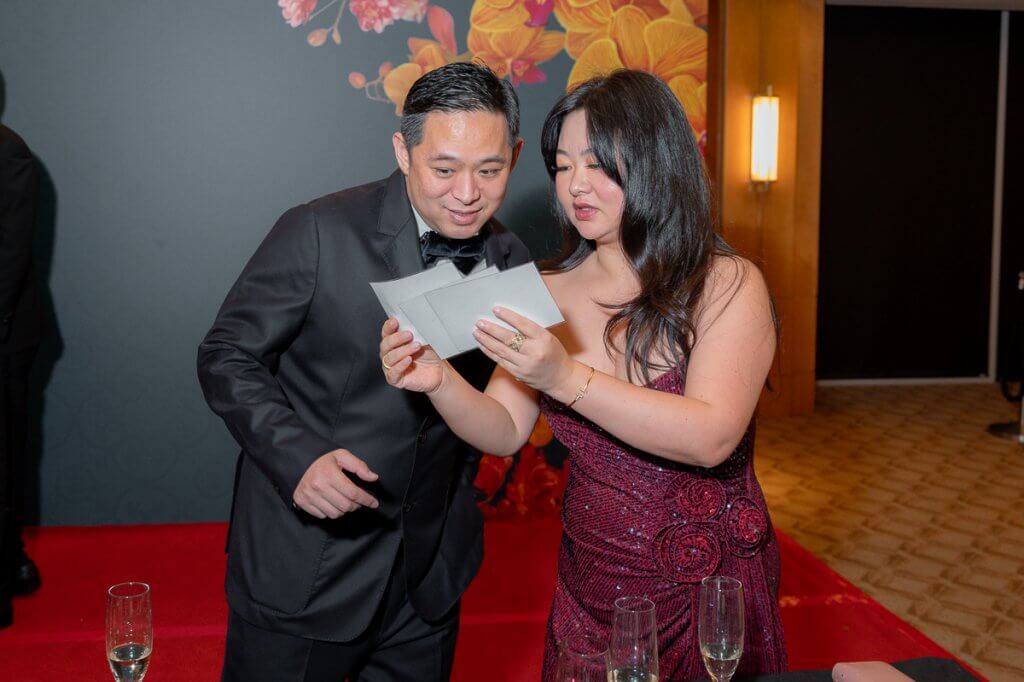
Printed photos create a different kind of interaction because they’re physical.
When guests receive instant prints, they naturally show them to others nearby, compare them, and pass them around. They spark conversations and are shared in the moment.
In settings like brand activations, weddings, or headshot booths, prints act as personalised souvenirs that guests are much more likely to keep and take home.
How Instant Photo Sharing Works
Instant photo sharing is about getting photos from your camera into an online gallery as quickly as possible.
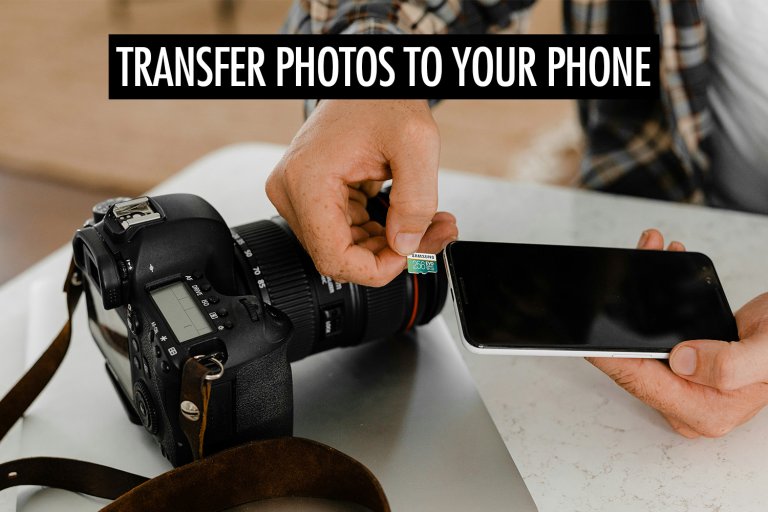
Years ago, I handled this manually. I would swap SD cards with an assistant during the event, who would offload the images and upload them to a gallery. It worked, but it was tedious and required constant coordination.
Now I use Honcho to handle the process. As I shoot, images are transferred from my camera to a mobile device and uploaded to the cloud in the background. I don’t need to stop or manage files, and as long as the connection is stable, photos start appearing in the gallery within seconds.
Guests can access the gallery through a QR code or link, and from their perspective, it feels almost instant. They take a photo, and shortly after, they’re already looking at it on their phone.
That same workflow also powers live slideshows and instant printing, since everything is already in the cloud. The key is the lack of delay between each step. That speed is what makes all of this possible during the event.
When Instant Photo Sharing Works Best
Instant photo sharing works best when engagement is a priority for the event.
If the goal is to get guests actively involved during the event, then making photos available instantly becomes a powerful tool. This is common in events like brand activations, red carpet events, conferences, or roadshows, where organisers want guests to engage, create content, and increase visibility while the event is happening.
On the other hand, if engagement is not a focus, photography tends to play a more traditional role. Photos are captured and delivered after the event, mainly for documentation or internal use. This is often the case for things like internal corporate functions or seminars, where the emphasis is on record-keeping rather than interaction.
Conclusion
Traditional event photography shows people what happened after the event. Instant photo sharing lets them experience those moments while it’s still happening, which is part of how to become an event photographer today.
When images are available instantly, people check for their photos, react to them, and come back again as new images appear.
For organisers, that directly translates into more visibility, more interaction, and a more engaging event experience.