
Events don’t give you time to think. You’re moving through changing light conditions, people stepping in and out of frame, and moments that require quick reactions. You’re constantly deciding where to stand and what’s worth paying attention to.
If you’re trying to become an event photographer, it’s easy to get stuck on gear and settings, but the job encompasses more than that.
I’ve been shooting events since 2016, from conferences and corporate functions to weddings and brand activations, often delivering photos under pressure. In this guide, I’ll walk through how to approach event photography from start to finish, from what to shoot to how it all fits into a working business.
Understand What Matters in Your Coverage
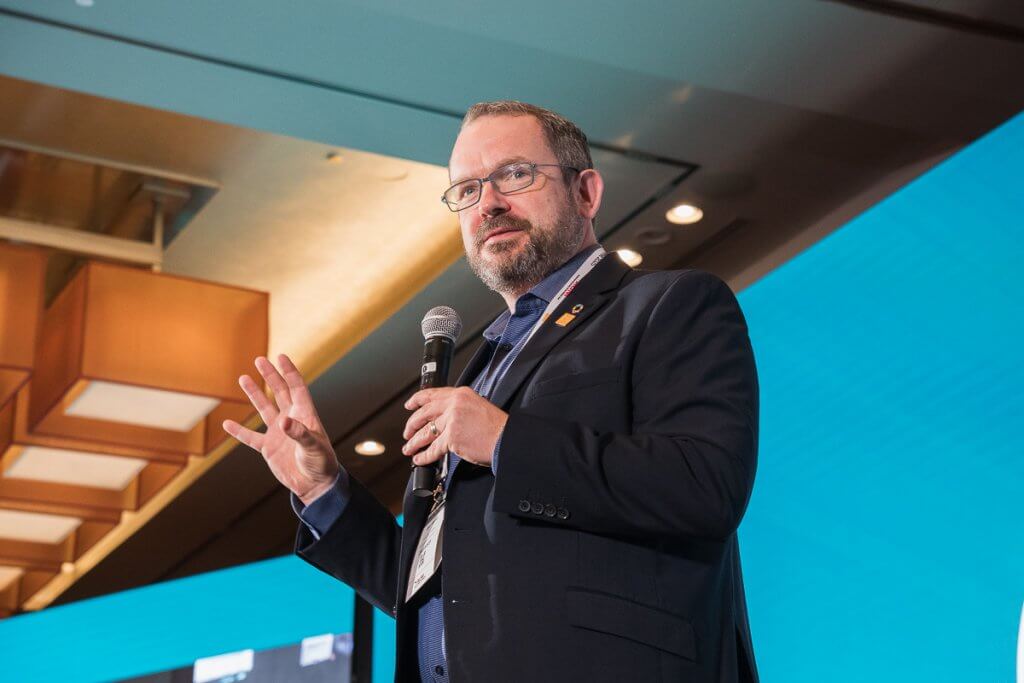
At most events, there are multiple stakeholders, and they don’t all matter equally. You’ll usually see this in the brief. Don’t miss the sponsors, focus on the speakers, get coverage of VIPs.
At conferences, sponsors, speakers, and VIPs usually come first. Booth sponsors in particular are non-negotiable. Missing even one can become a problem, no matter how strong the rest of the coverage is. Attendees still matter, but more as context to show turnout and energy.
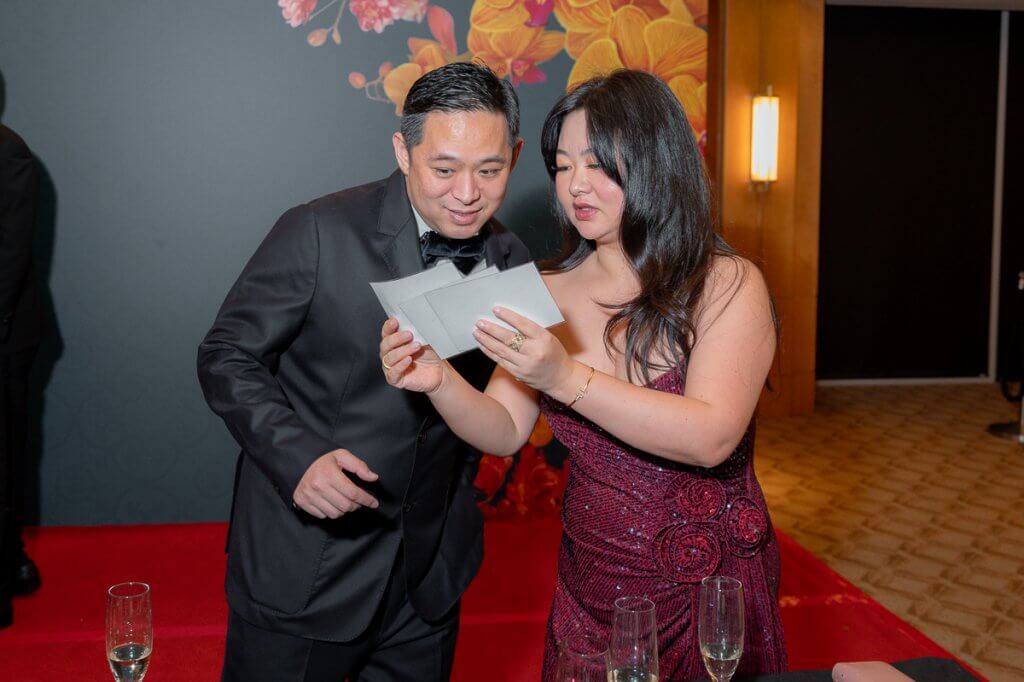
At other events, the priorities flip. Gala dinners and red carpet events revolve around guests, so coverage focuses on arrivals, posed shots, and interactions. For personal events, everything centres around a single person and the people closest to them.
Coverage is a balance between wide shots that show scale and tighter shots that capture expressions and interactions, as reflected in a typical event photography shot list. Too wide and everything feels distant. Too tight and you lose context.
Before the event starts, you should already know what’s important. If your priorities don’t match the client’s, it’ll show up later in questions about missing VIPs or sponsors.The photos might be good, but that doesn’t matter if the coverage doesn’t match what they cared about, which comes down to how you make decisions during the event.
Use Reliable Event Photography Equipment
Your event photography equipment should stay out of your way. You don’t want to be changing lenses or dealing with gear when things are happening in front of you.
I shoot with two camera bodies, one with a 24–70mm and the other with a 70–200mm. It lets me switch between a wider view and a tighter shot without stopping to swap lenses or take my eyes off the scene. The second body also means I’m not relying on a single camera. If one fails, I keep shooting.
The 24–70mm handles most of the coverage. Group photos, wider shots, anything happening close. The 70–200mm is for distance, stage shots and candids without being intrusive. I keep a 16–35mm in the bag for tight spaces or large group photos, although I don’t use it often.
For lighting, I usually keep it simple. A single speedlight is enough for most situations, especially for portraits and group shots.
Handle Event Photography Lighting
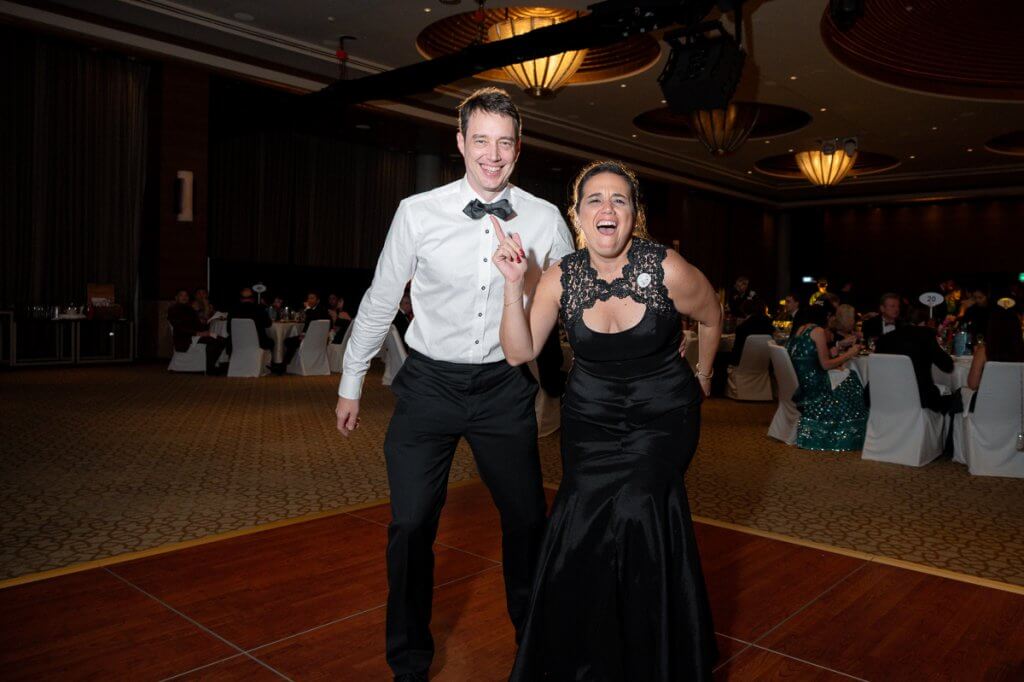
Most lighting situations fall into one of three scenarios.
If the ambient light is good, I’ll shoot without flash to preserve the natural look of the event. That’s common at conferences or daytime events. I’m constantly moving to find better light, whether that’s near windows or under stronger overhead lighting.
If the light is usable but not strong enough, I add flash as fill. I usually bounce the flash off a ceiling or wall for softer light, but direct flash with a light modifier works too. The goal is to lift the subject while keeping the background looking natural.
If the environment is dark, flash becomes the main light source. I’m no longer trying to preserve the ambient light. I just want clean, usable images. If I have the option, I’ll place one or two off-camera strobes around the room, usually at the edges of the dance floor or pointing across the space, to give the scene more depth.
Deliver Photos On Time
“On time” means different things depending on why the images exist.
For guest-focused events like red carpets, award shows, and gala dinners, on time can mean real-time delivery. The value of the images is highest while the event is still happening. Guests expect to see their photos right after photo ops and posed shots.
Other events run on a different clock. I’ve shot ministerial walkabouts that required fully edited images within 24 hours for media distribution. At multi-day conferences, organisers often ask for a small set of daily highlights, delivered at the end of each day for press releases and internal updates.
In one international conference I covered, the client commissioned a magazine-style album for sponsors and VIPs. The final albums were delivered just under three weeks later, and that was considered on time because the expectation was clear from the start.
If no timeline is specified, I deliver within three days. Event images are time-sensitive, but they also don’t require heavy retouching. For larger events or tighter schedules, I’ll sometimes outsource editing to keep turnaround times short.
Understanding what “on time” means is part of the job. It comes down to how the images will be used and setting that expectation early.
Make It Easy for Guests to Get Their Photos
At most events, I get the same question right after taking a photo: “Where can I get it?”
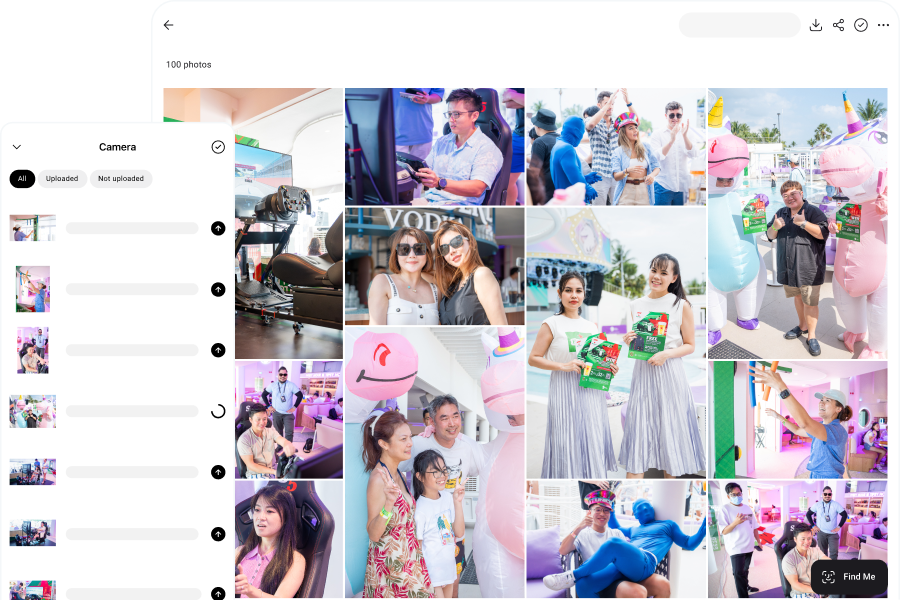
Once you’re dealing with hundreds of attendees, sending photos individually isn’t practical. Everything goes into a single online gallery, and I share a single link with everyone. That solves distribution, but it doesn’t mean guests will actually get their photos. The real friction comes after that, in how they access the gallery and how they find themselves.
For access, I keep it as immediate as possible. I use QR codes placed around the venue so guests can scan and enter the gallery on the spot. This works especially well when photos are being uploaded during the event, because people can check back and see new images appear. Email or SMS links are another option, but they rely on people opening them later, which usually means lower engagement.
Once guests are in, the next problem is finding their photos. At smaller events, browsing is fine. You scroll for a bit and you’ll find what you’re looking for. But when there are hundreds or thousands of images, most people won’t spend the time going through everything. That’s why I offer face recognition for larger events. Guests upload a selfie and see only the photos they appear in, instead of searching through the entire gallery. This also makes it much easier for them to engage with your photos and reach out after the event.
Turn Photography Into Part of the Event
Photography used to be something delivered after the event. Now it can be part of the event.
When photos are available instantly, people interact with them while everything is still happening. They look for their photos, show them to friends, and share them right away. Guests check the gallery during the event instead of waiting for a link days later.
Screens take this further. When photos appear on a live slideshow, they become shared moments. Someone recognises themselves, reacts, and suddenly a group of people are watching the screen. It turns photography into a social activity.
Instant prints create a different kind of interaction. Guests pass them around, compare them, and take them home. It’s a physical version of the same idea, where the photo becomes part of the event engagement.
When you offer services like these, you’re shaping how people experience the event, instead of just documenting it.
Charge Based on Value, Not Time
Most photographers underprice because they think in hours. It feels straightforward. You’re shooting for a few hours, so you charge based on time. But that’s not how clients think about it. They’re not paying for your time, they’re paying for what the photos do for them.
That’s why event photography pricing is really about value. Two photographers can shoot the same event for the same number of hours and charge completely different rates. The difference comes from what’s included. Faster delivery, easier access to photos, and features that improve the event experience all make your work more useful to the client.
I’ve found it easier to structure pricing around packages rather than a single flat rate. The base package covers the photography itself. Higher tiers include things like instant delivery, face recognition, live slideshows, or instant printing. Clients are choosing between different levels of experience, not just coverage.
This also makes it easier to charge more without constantly raising your base rate. Instead of pushing your hourly price up, you’re increasing what the service is worth.
Build a Sustainable Event Photography Business
Getting good at shooting is only part of the equation. Most of the work is everything around it.
At the start, jobs tend to come from anywhere. Friends, referrals, one-off enquiries. That’s useful early on, but it’s not something you can rely on. If every job comes from a different place, you’re starting from zero each month.
What you need is a repeatable source of enquiries. For me, SEO became one of the main channels over time. Other photographers rely on referrals, social media, or paid ads. Eventually, it makes sense to build a few sources of enquiries as you work towards building a 6-figure photography business.
Repeat clients are what make the business stable. When you work with event organisers, companies, or planners, many of them have ongoing needs. They run events regularly, and if you do a good job, they come back. That becomes a significant part of your bookings, and it reduces the need to constantly find new clients.
Conclusion
Becoming an event photographer is about understanding how events work, what clients care about, and how your photos are used.
The technical side matters, but it’s only one part of the job. What makes the difference is how you handle real situations. Knowing what to prioritise, working with whatever lighting you’re given, and delivering photos in a way that people actually engage with.
That’s how you move from taking photos to doing this professionally.