
Part of our Business guides
Explore more articles on marketing, pricing, and growth in our Business section.
If you’re thinking of making additional income by selling sports photos, read this first. Most sports photo sales happen at youth games, school competitions, and local tournaments. We’re not talking about professional sports.
It’s easy to assume you just show up, take photos, and upload them somewhere. But the challenge isn’t taking the photos. It’s getting people to actually find and buy them.
In this guide, I’ll walk through a simple workflow for selling sports photos online. It’s built around making things easy for participants and parents, so they can quickly find their photos and make a purchase, without leaving you stuck doing hours of manual work after the event.
Where This Model Works Best
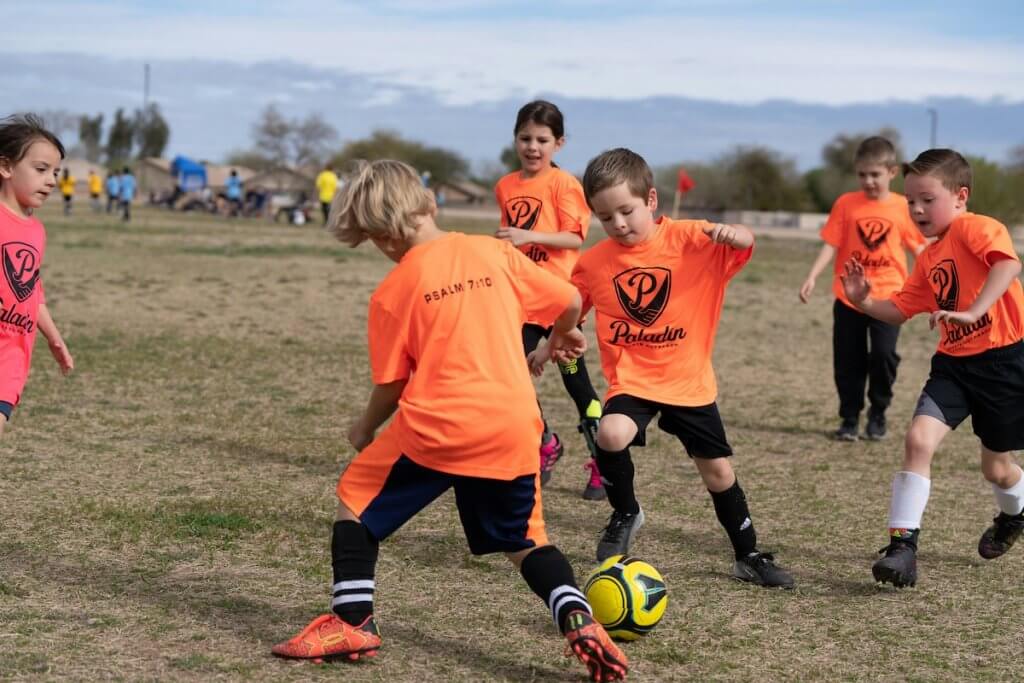
This model works best at youth sports events, school competitions, and local tournaments, with a different approach required for marathons and races. These events have lots of participants and a built-in audience of parents who care about the photos.
You’re selling to people who are personally invested. Parents want photos of their kids, and participants want photos of themselves. That emotional connection is what drives purchases.
These events are usually high volume and fast-moving. You might leave with thousands of photos from a single day. That’s why your workflow matters so much. The easier you make it for people to find their photos, the more likely they are to buy them.
Let’s go through each step and how to do it in a way that drives sales.
Upload Your Photos to an Online Gallery
The first step is to upload your photos to an online gallery.
You can deliver photos manually through Google Drive, Dropbox, or email. But if your goal is to sell, that approach will fail. There’s no easy way to browse, no built-in checkout, and no clear path from viewing to purchasing.
An online gallery solves all of that. It gives people a simple way to view photos, select what they want, and complete their purchase in one place.
When choosing a gallery, there are a few things to consider:
- Mobile-friendly: Most people will view your photos on their phones. If the experience feels clunky on mobile, you’ll lose sales.
- Fast loading: You’re dealing with large volumes of images. If the gallery is slow, people won’t stick around long enough to find their photos.
- Built-in store: This is what turns browsing into revenue. People should be able to select photos and pay without leaving the gallery.
It helps to think of your gallery as your storefront. The easier it is to browse and buy, the more likely people are to follow through.
You can have the best photos in the world, but if people don’t know where to find them, you won’t make any sales.
At sports events, the most effective approach is to share the gallery link directly with participants and parents, using channels they’re already paying attention to.
A simple way to do this is with a QR code. Print it on a large board and display it at the venue—near the entrance, registration area, or anywhere participants gather. People can scan it on the spot and start browsing.
You should also share the link through existing channels:
- WhatsApp groups
- Facebook groups
- Event organisers (so they can send it out to participants)
The goal is to get the link in front of people as early as possible, ideally while the event is still happening. That’s when interest is highest.
If people have to go looking for your photos later, most of them won’t.
Help People Find Their Photos Easily
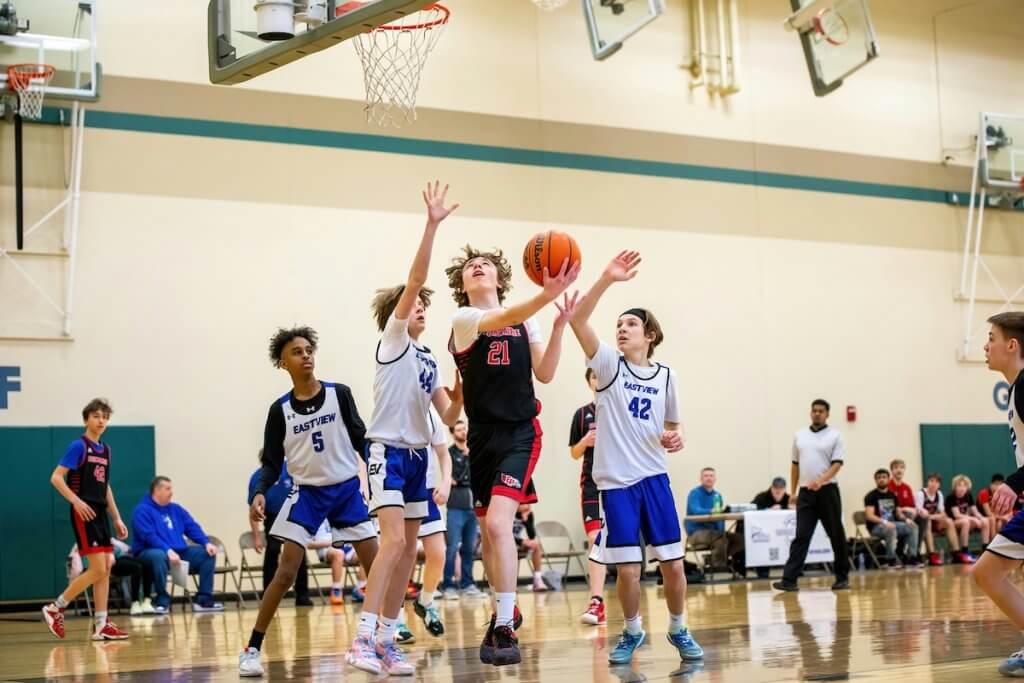
The biggest friction for participants is having to scroll through thousands of images to find themselves.
Most won’t do it.
Even if they’re interested, the effort is too high. They might scroll for a bit, get tired, and give up. That’s lost sales.
This is where face recognition makes a big difference.
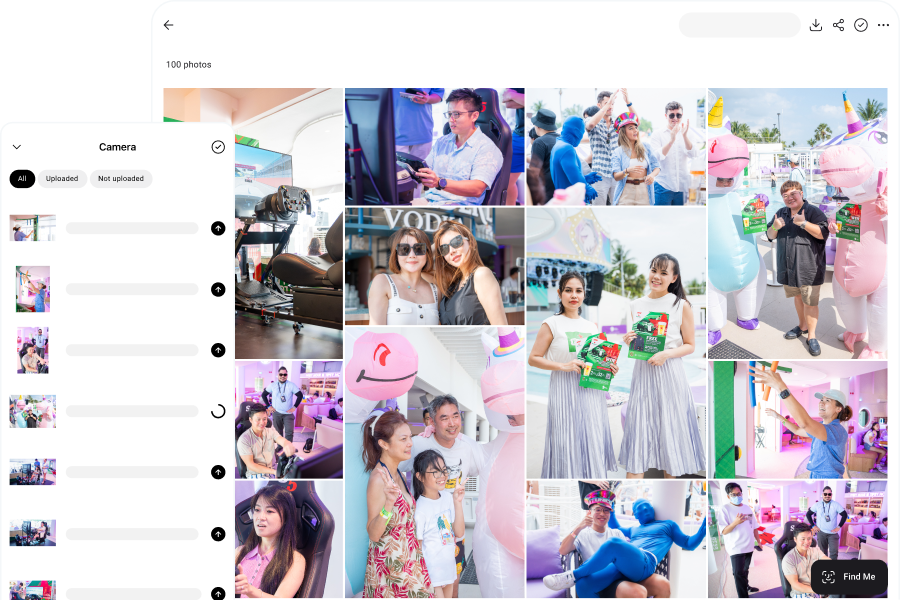
If you’re using a platform like Honcho, this is built into the workflow. Participants upload a selfie and instantly see only the photos they’re in.
This has a direct impact on sales. When people can find their photos in seconds, they’re far more likely to actually buy them.
Sell Photo Packages, Not Just Single Images
If you only sell individual photos, most people will buy one or two at most. That keeps your order value low.
The better approach is to offer packages. This makes the decision easier and naturally increases how much people spend, especially for parents who want multiple moments from the event.
For example:
- 1 photo: $5
- 10 photos: $25
- Full gallery: $50
This works because of pricing psychology. The single photo acts as an anchor, making the larger packages feel like a better deal. Once people are already considering a purchase, upgrading to a bundle feels like the obvious choice.
Deliver Your Photos Quickly (Ideally in Real Time)
When it comes to selling sports photos, timing matters more than most photographers realise.
Interest is highest during the event and immediately after. That’s when parents and participants are still emotionally invested. They’re thinking about the game, talking about it, and more likely to look for photos.
If you wait a few days to upload, that interest drops off. People move on, and your chances of making a sale go with it.
The goal is to deliver your photos as quickly as possible.
At a minimum, you should aim to upload your photos on the same day. But the best results come from uploading during the event itself.
This is where a camera-to-cloud workflow makes a big difference. With Honcho, your photos are uploaded to the gallery in real time as you shoot. That means parents and participants can start viewing and buying photos on the spot, when they’re most motivated.
Conclusion
To sell sports photos, you need to pay attention not just to how you shoot, but also to how you deliver.
When you make it easy for people to find their photos and complete a purchase, you set yourself up for success. Small improvements, like faster delivery and better discovery, can have an outsized impact on how much you earn.
If you’re getting into this space, focus on speed and simplicity. The easier you make the experience for participants and parents, the more you’ll sell.
For an overview of different ways photographers sell their work, from stock to direct sales, see how to sell photos online.