
Part of our Creativity guides
Explore more ideas, inspiration, and visual techniques in our Creativity section.
A photography session is all about capturing connection, emotion, and real, unguarded moments. Whether it’s a wedding day, a couple’s portrait session, a family gathering, or a lively event, the images you create become lasting keepsakes, treasured and revisited long after the day has passed. That’s why how you guide your subjects matters just as much as the locations, lighting, or composition.
Great photos feel natural and emotionally authentic, even when there’s gentle direction behind the lens. This is where prompting becomes a photographer’s secret weapon. Rather than forcing rigid poses, photography prompts inspire movement, interaction, and genuine reactions while still giving you creative control over the scene.
A strong prompting approach takes into account a few key elements:
- Emotion and interaction: Photography prompts should spark real connection. Little conversations, playful gestures, or shared memories help couples, families, and event attendees relax and respond naturally, creating moments that feel effortless rather than staged.
- Light and atmosphere: The best photography prompts work hand in hand with flattering light. Soft window light, golden hour outdoors, or even ambient event lighting can enhance expressions and set the mood you want to convey.
- Composition and gentle direction: Prompting doesn’t mean giving up control. Simple cues like body angles, hand placement, or positioning relative to each other guide the frame while leaving space for natural movement.
- Environment and background: The setting is an active part of prompting. Locations that feel meaningful, open, or interactive help subjects engage with each other rather than the camera, making interactions feel genuine.
In this guide, we’ll explore practical photography prompts for weddings, couples, families, and events. You’ll learn how to direct moments with confidence, capture authentic expressions, and preserve the energy and connection that make each session unforgettable.
Why Photography Prompts Work
At their core, photography prompts work because they change how people think, not how they pose.
When subjects are told exactly how to stand, where to look, or how to place their hands, they become self-conscious. They start monitoring their appearance instead of engaging with the moment. That internal monitoring is what creates stiffness, forced smiles, and unnatural body language.
Well-designed prompts do the opposite. They shift attention away from the camera and toward interaction, memory, or movement.
A prompt gives the subject something to do or respond to, which reduces uncertainty and mental friction. Instead of asking, “What should I look like?”, the subject is absorbed in an action or exchange. Genuine expressions emerge as a side effect.
Prompts also work because they introduce asymmetry. Real moments are rarely perfectly synchronized or symmetrical. When one person reacts slightly before the other, or when movement unfolds organically, the resulting images feel alive rather than composed.
Just as importantly, prompting preserves the photographer’s control. You’re not relinquishing authorship, you’re directing inputs (emotion, interaction, motion) instead of outputs (exact poses). This is what allows photos to feel natural while still being intentional.
The Anatomy of an Effective Photography Prompt
Not all prompts are equally effective. The best ones share a common structure, even if they sound casual or spontaneous in practice.
An effective photography prompt typically includes three elements:
- A context cue
This grounds the subject in a situation or moment. It might reference a shared memory, an imagined scenario, or something happening right now. Context helps subjects stop thinking abstractly and respond more naturally. - A behavior trigger
Instead of telling people how to look, a good prompt asks them to do something. Walk, whisper, react, tease, remember, lean in, or respond to each other. Behavior produces expression; expression rarely works in reverse. - A visual intent
Every prompt should map back to what you’re trying to capture, whether it’s closeness, playfulness, calm, tension, joy, or energy. You don’t need to explain this intent to the subject, but you should be clear about it yourself so the prompt serves the image, not just the moment.
Understanding this structure matters because it lets you adapt prompts on the fly. If a subject feels stiff, you can increase interaction. If energy is too chaotic, you can slow things down with a quieter context cue. Prompting becomes a flexible system, not a memorized script.
How to Choose the Right Type of Photography Prompt
Not all photography prompts serve the same purpose. Some are designed to draw out emotion, others to create interaction or movement, and others to make use of the environment around you. Understanding the intent behind a prompt helps you choose the right one for the moment, rather than relying on trial and error.
In this guide, prompts are grouped into four broad categories. These aren’t rigid rules, but practical lenses you can use to decide how to guide your subjects.
- Emotion-First Prompts
These prompts focus on feelings, memories, or internal states. They work best when subjects are already somewhat relaxed and trust has been established. Emotion-first prompts are useful when you want subtle expressions, quiet connection, or reflective moments rather than high energy. - Interaction Prompts
Interaction prompts direct attention away from the camera and toward another person. They’re especially effective for couples, families, and small groups because they create shared focus and natural reactions. These prompts often produce believable expressions without asking subjects to perform for the camera. - Movement Prompts
Movement prompts engage the body first. Walking, turning, adjusting, or playful motion helps reduce stiffness and self-consciousness. These prompts are particularly useful early in a session or whenever energy feels flat, though they require looser control over framing and timing. - Environmental Prompts
Environmental prompts use the surroundings as part of the interaction. Light, space, weather, and meaningful locations all influence how people behave. These prompts work best when the environment adds context or atmosphere, but they depend heavily on location and conditions.
As you move through a shoot, you’ll often shift between these types. The goal isn’t to stick to one category, but to recognize what the situation calls for and choose prompts that support the moment you’re trying to create.
Wedding Photography Prompts
Wedding days move through very different moments, from quiet preparation to energetic celebration. That’s why these prompts are grouped by intent rather than pose, helping you choose between emotion, interaction, movement, or environment based on what the moment calls for. If you’re also thinking about physical direction and body language, this works well alongside our guide on how to pose wedding couples.
Emotion-First Prompts
Prompts primarily designed to evoke reflection, anticipation, intimacy, or internal emotion.
Use when: You want to capture anticipation, reflection, or quiet emotion, especially during getting-ready moments or pauses between events.
Avoid when: The subject feels rushed, distracted, or uncomfortable being still, as these prompts rely on calm and internal focus.
Under the Umbrella
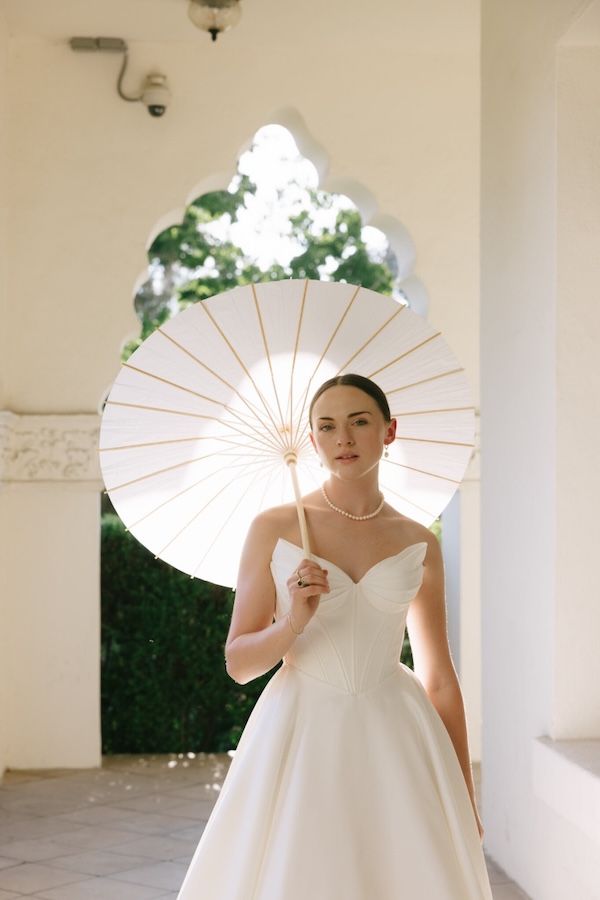
Prompt: “Hold your umbrella and peek past the camera, like you’re stealing a quiet moment for yourself.”
Behind the shot: Angle the bride slightly instead of facing her straight on, using the umbrella as a natural prop for her hands. Ask her to stay still and relaxed, allowing small changes in posture and expression to happen naturally. Use the surrounding lines and open space to keep the frame clean and editorial.
Bouquet Daydream
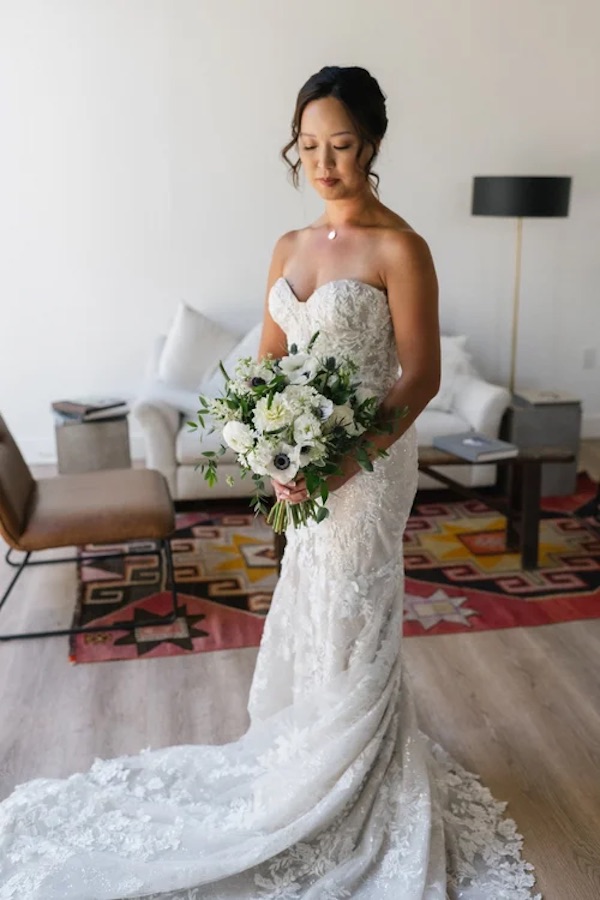
Prompt: “Hold your bouquet and look down, like you’re smiling to yourself.”
Behind the shot: Have the bride angle her body slightly and let the dress fall into a gentle swirl around her. Keep the direction minimal and give her a few seconds to settle into the pose so the expression stays natural and unforced.
Wind-Kissed Daydream
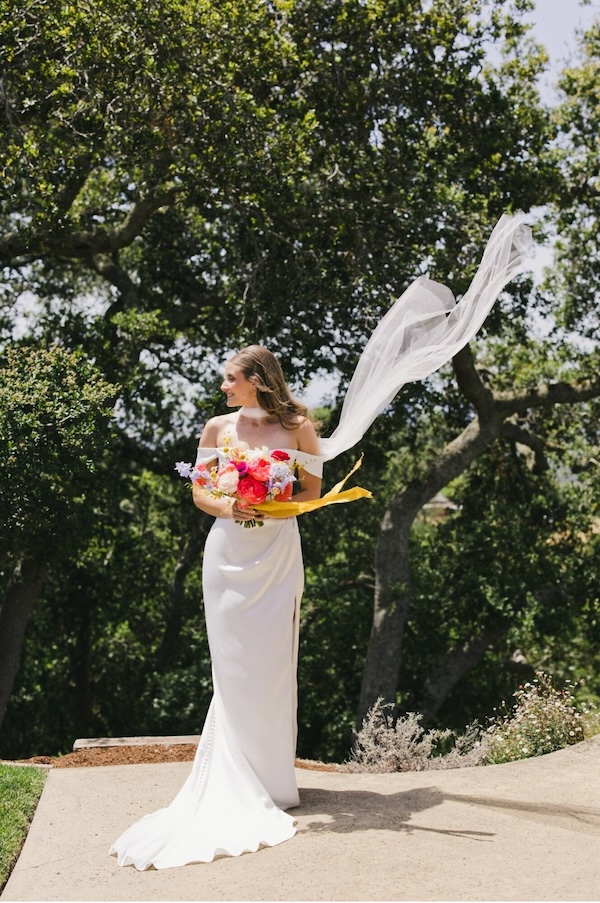
Prompt: “Hold your bouquet and look off to the side while the wind moves your hair, like you’re caught in a happy little daydream.”
Behind the shot: Position the bride so the wind naturally lifts her hair and dress, creating movement. Encourage her to relax her shoulders and smile gently, capturing the fleeting, carefree moment while keeping the bouquet visible in her hands.
A Quiet Pause
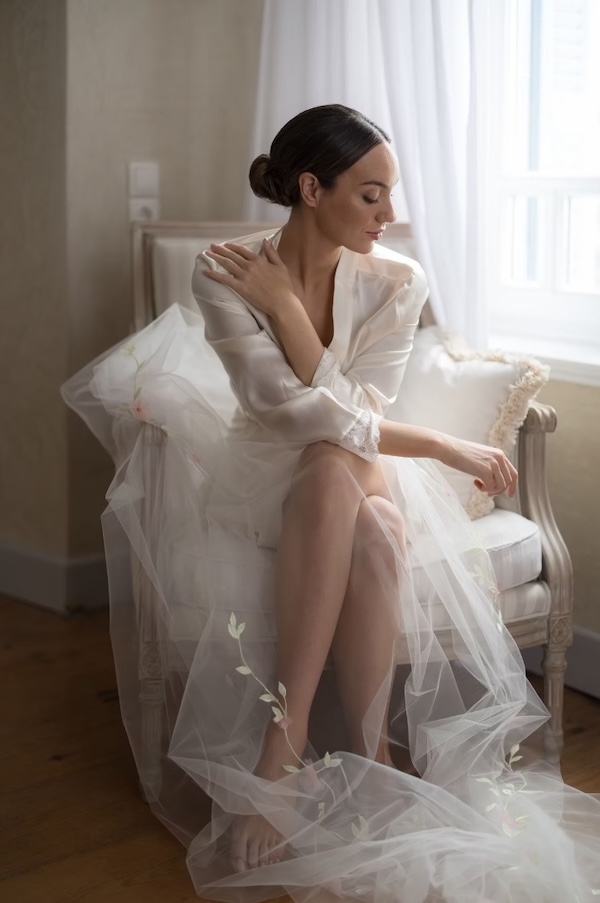
Prompt: “Take a seat, close your eyes for a second, and let your shoulders relax—like you’re taking a calm breath after getting ready.”
Behind the shot: Keep her seated comfortably and give her a moment to settle. Watch for the shoulders dropping and the expression softening, then shoot with her face angled slightly down or to the side to keep the mood calm and effortless.
Sunlit Smile
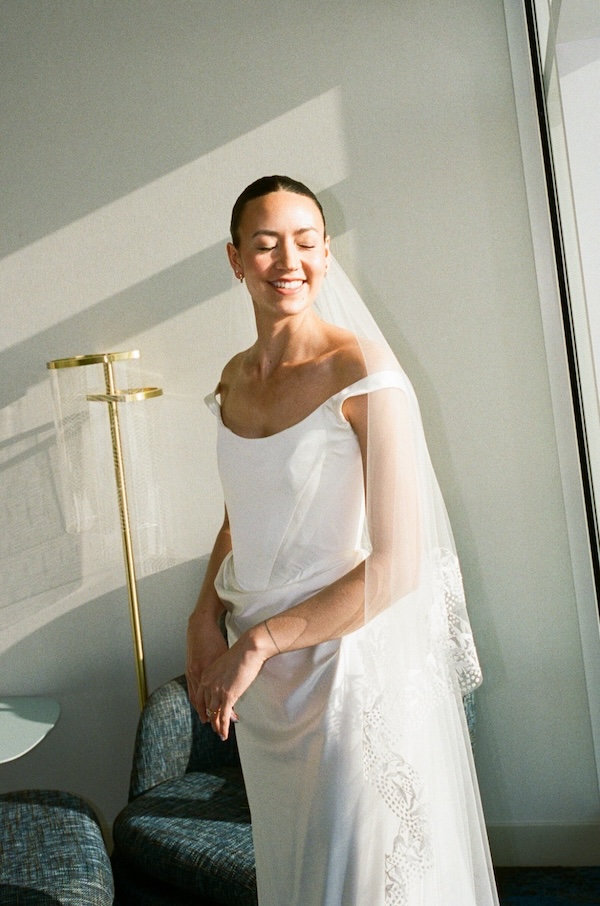
Prompt: “Stand by the window and close your eyes for a moment, then give me a small smile.”
Behind the shot: Frame her with the sunlight falling softly across her face, catching the genuine smile and relaxed expression. Let the light highlight her features naturally while keeping the mood warm and carefree.
Before It Begins
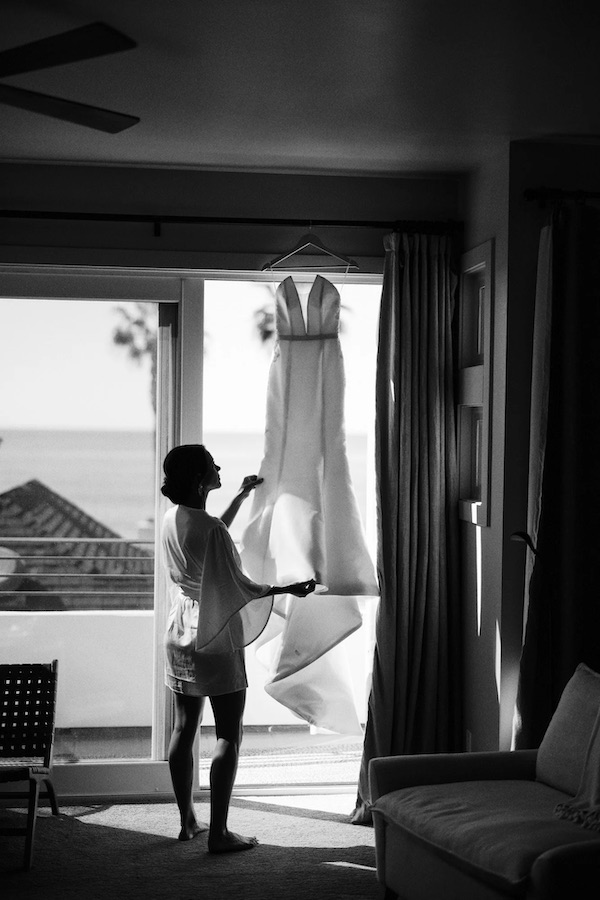
Prompt: “Take a moment with your dress and look it over, just taking it all in.”
Behind the shot: Shoot from behind to show the full shape of the dress and her silhouette. Watch her posture and small movements as she adjusts or looks at it, keeping the moment quiet and reflective.
Pensive Gaze
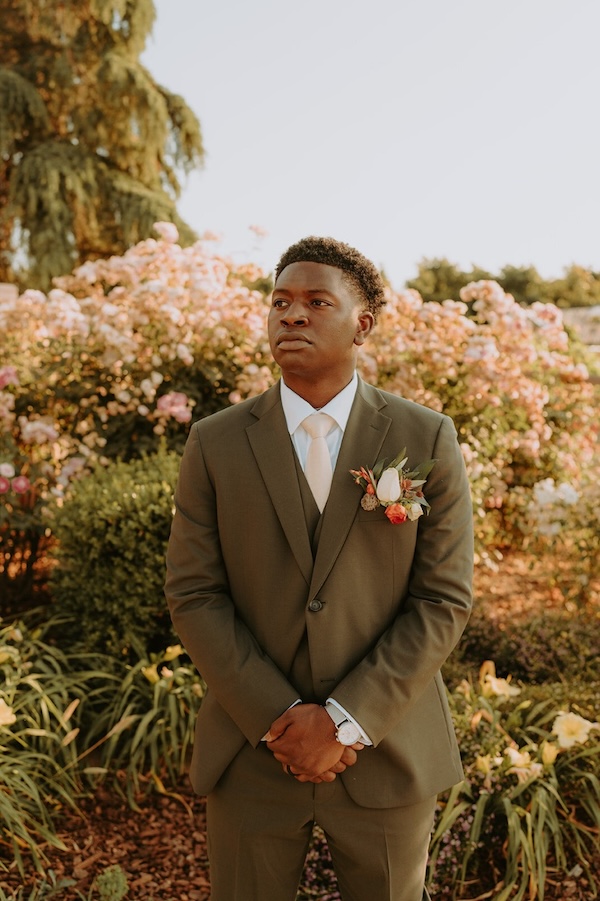
Prompt: “Stand tall, cross your arms lightly, and look off into the distance like you’re deep in thought.”
Behind the shot: Encourage a relaxed but confident posture, letting the serious expression feel natural. Capture the lines of his body and the intensity in his gaze to create a powerful, editorial-style portrait.
Contemplative Pause
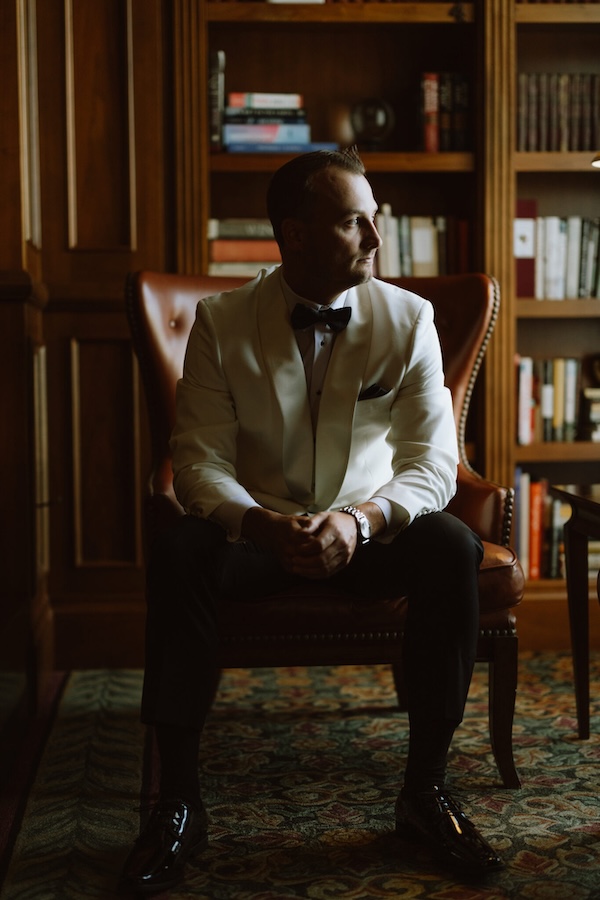
Prompt: “Take a seat and look out the window for a moment, just taking a breath before the day starts.”
Behind the shot: Position the groom so the side light softly illuminates his face. Focus on the natural, contemplative mood, capturing the subtle details in his expression and posture for a serene, introspective portrait.
Reading Their Vows

Prompt: “Stand back to back, hold hands, and read your vows together for a moment.”
Behind the shot: Let the wedding couple take their time and settle into it. Watch for small smiles or quiet reactions as they read, and shoot when the moment feels shared and unforced.
Future Talk
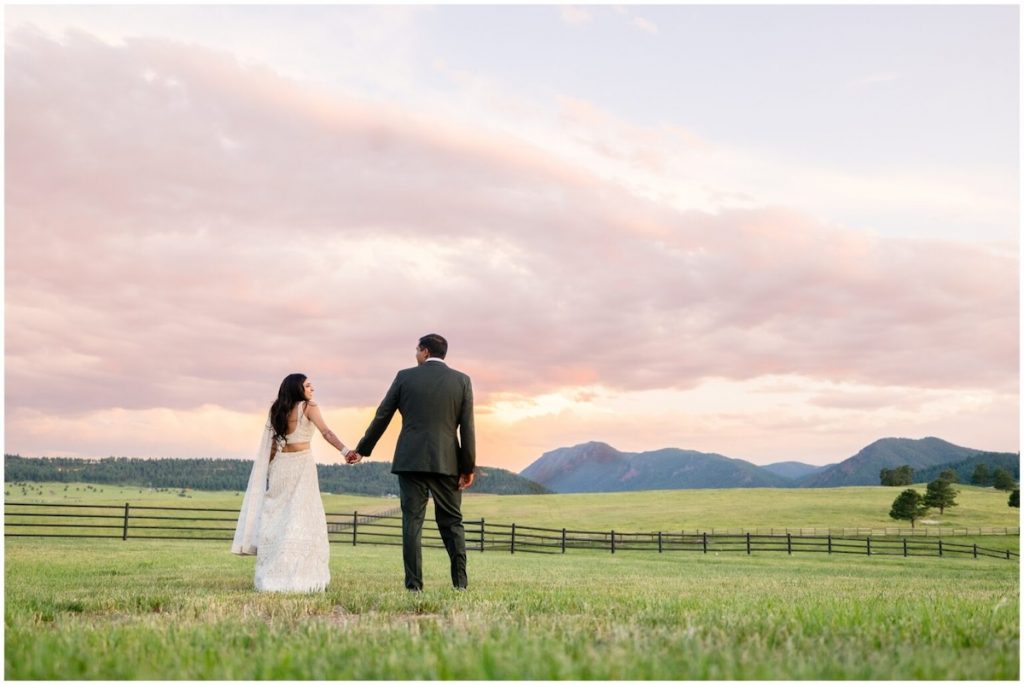
Prompt: “Hold hands and face the view, then turn to each other and talk about your future together”
Behind the shot: Let them stay still for a few seconds and interact naturally. Watch for soft expressions, small smiles, and gentle gestures that reflect connection and shared anticipation.
Under the Veil
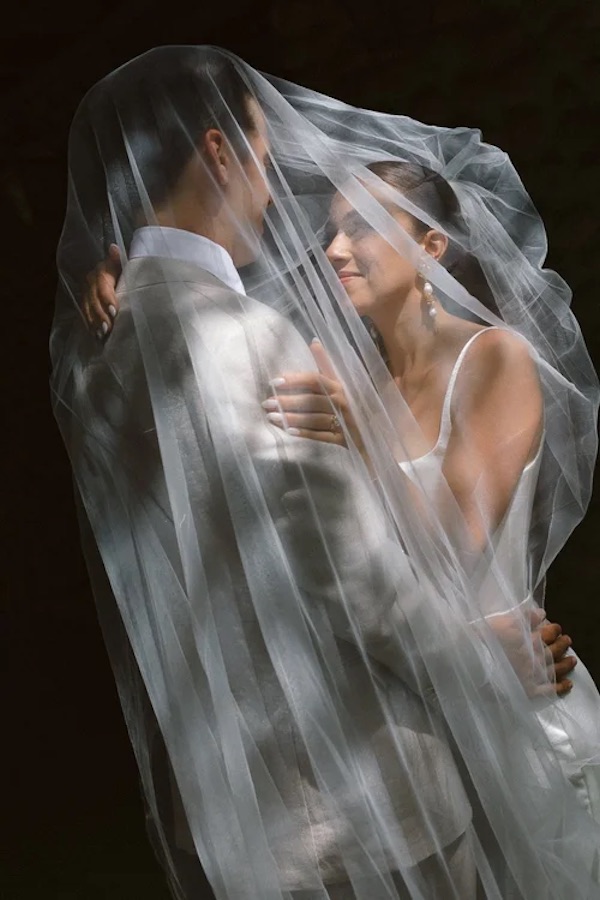
Prompt: “Lean in close under the veil and look into each other’s eyes.”
Behind the shot: Shoot from behind so the bride’s face is clear and the groom’s expression comes through subtly. Use soft overhead light to highlight their closeness and keep the moment quiet and intimate.
Interaction Prompts
Prompts that shift attention away from the camera and toward another person through conversation, touch, or shared focus.
Use when: You want genuine connection between people without directing expressions, particularly with couples, parents, or close family members.
Avoid when: Group size or energy is too chaotic to maintain shared focus.
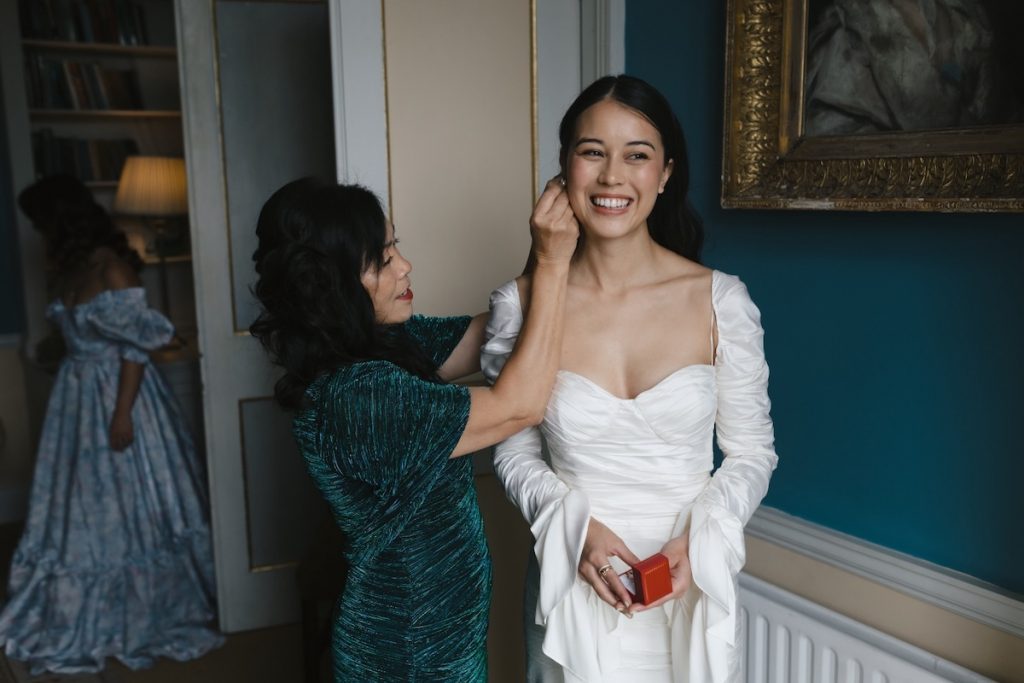
Prompt: “Mom, tell her about the first time you helped her put on earrings. Just talk like you normally would.”
Behind the shot: Watch for genuine reactions as the story unfolds. Capture the subtle smiles, glances, and little gestures that naturally emerge, creating a heartfelt, candid moment.
The Crew
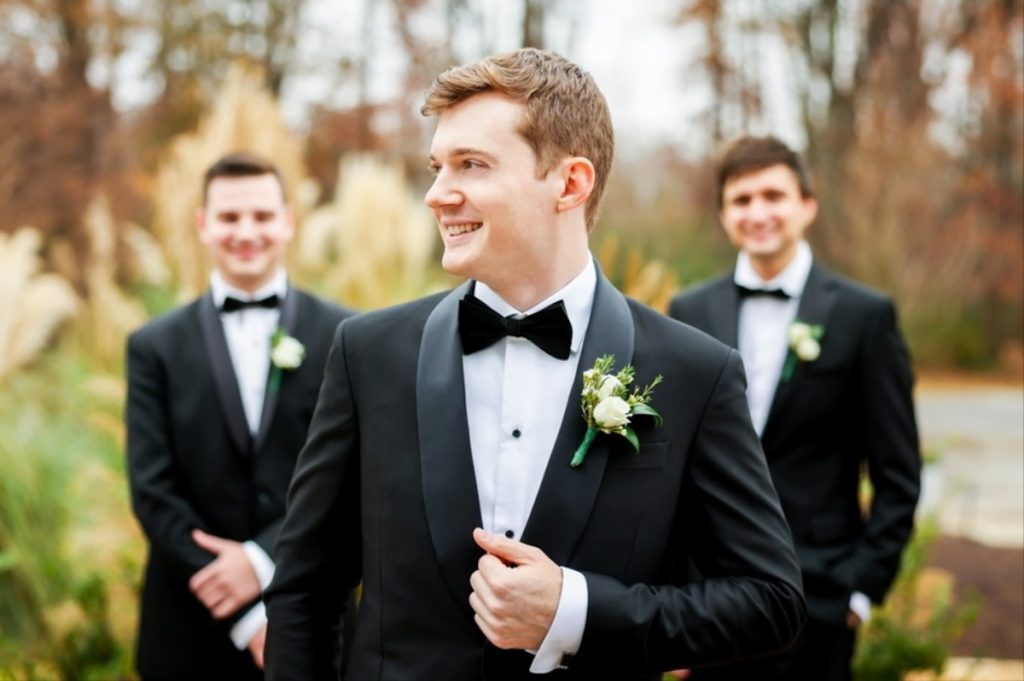
Prompt: “Stand up front and give me a confident smile off to the side. You guys hang back and give the camera a big grin.”
Behind the shot: Frame the groom in sharp focus while letting the best men remain slightly out of focus in the background. Capture the dynamic connection and playful energy between them, keeping expressions genuine and relaxed.
Side by Side
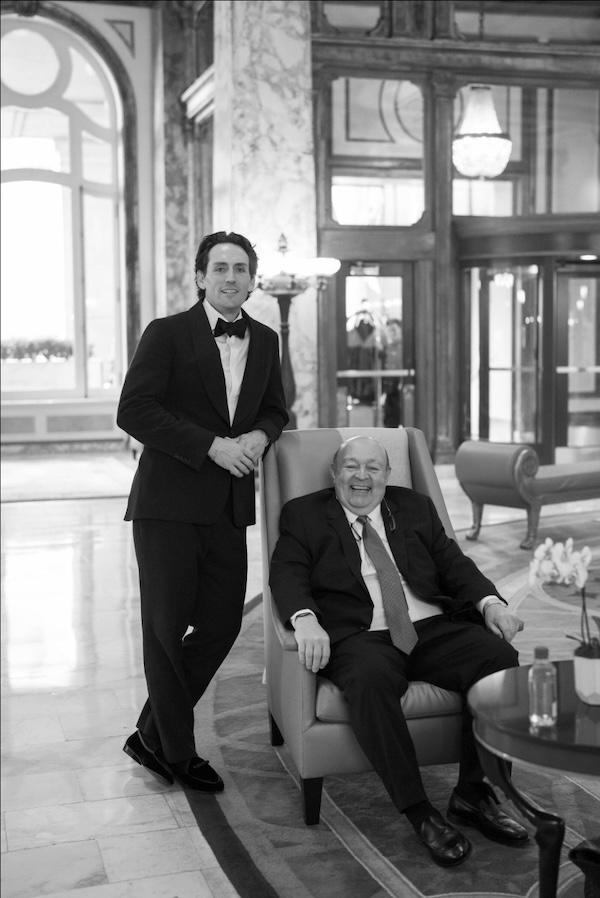
Prompt: “Stand next to your dad or granddad and look toward the camera, nice and relaxed.”
Behind the shot: Keep them close and comfortable. Watch for small smiles, shared looks, or a hand on the shoulder, and shoot when the moment feels natural and unforced.
A Helping Hand
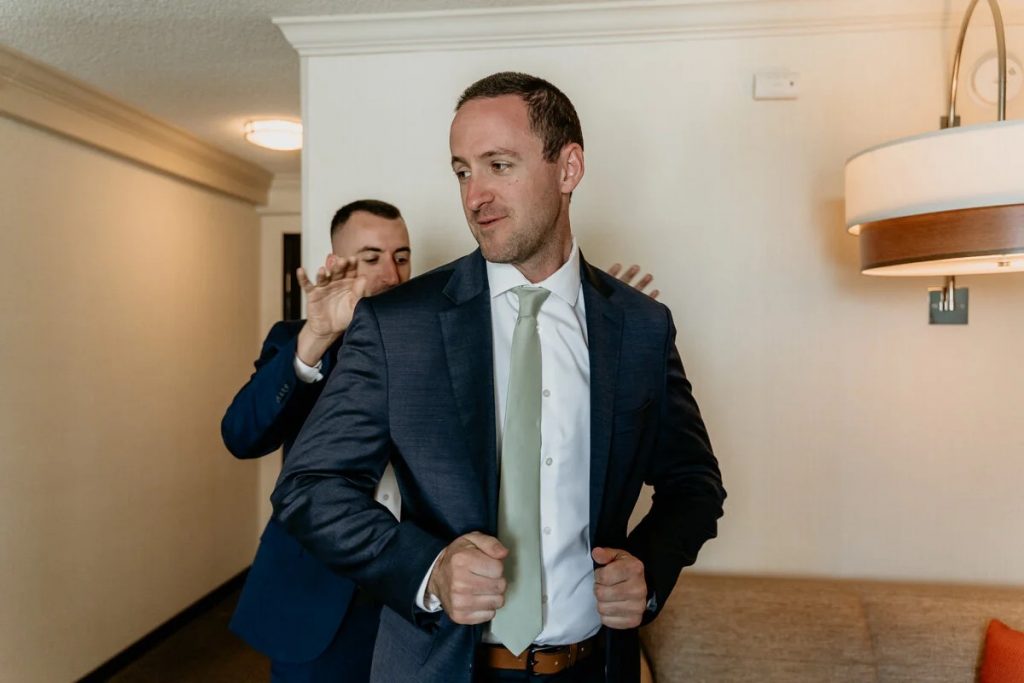
Prompt: “Hold your jacket for a second, and you give it a quick brush off — keep it easy and fun.”
Behind the shot: Watch the interaction between the groom and the best man as it unfolds. Shoot through the small gestures and reactions, focusing on their expressions and the easy connection between them to keep the moment light and candid.
Inside Joke
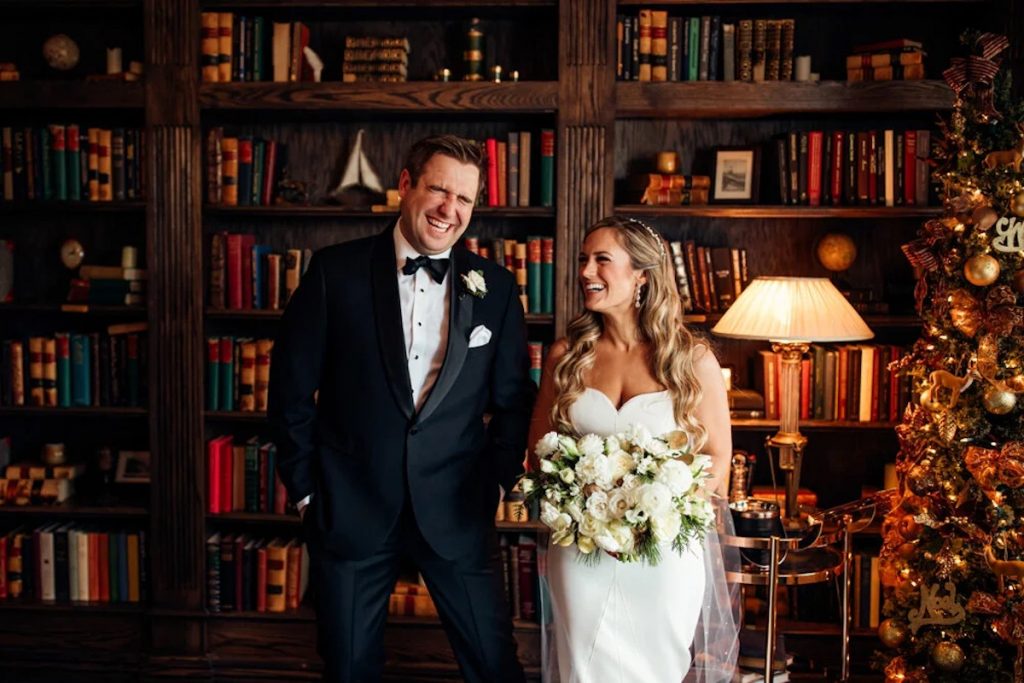
Prompt: “Think of an inside joke and turn toward each other for a quick laugh.”
Behind the shot: Let them lean in naturally and keep the direction light. Shoot mid-laugh or just as the smiles break, focusing on their expressions and the relaxed connection between them.
Connection
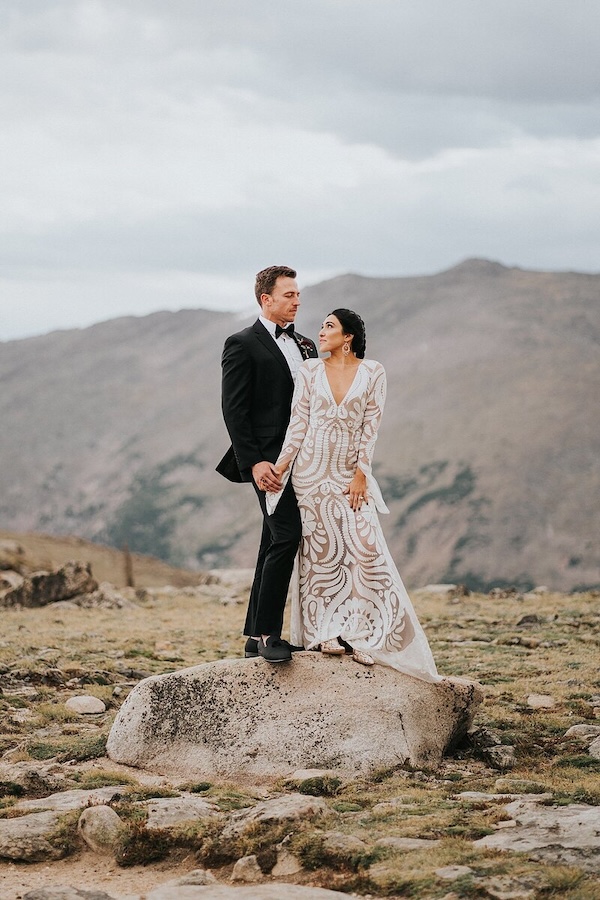
Prompt: “Stand together on the rock, hold hands, and turn toward each other for a moment.”
Behind the shot: Place the bride slightly in front and let her turn back toward the groom. Capture the quiet connection in their eye contact and body language, keeping the moment calm, intimate, and unforced.
Distant Gaze
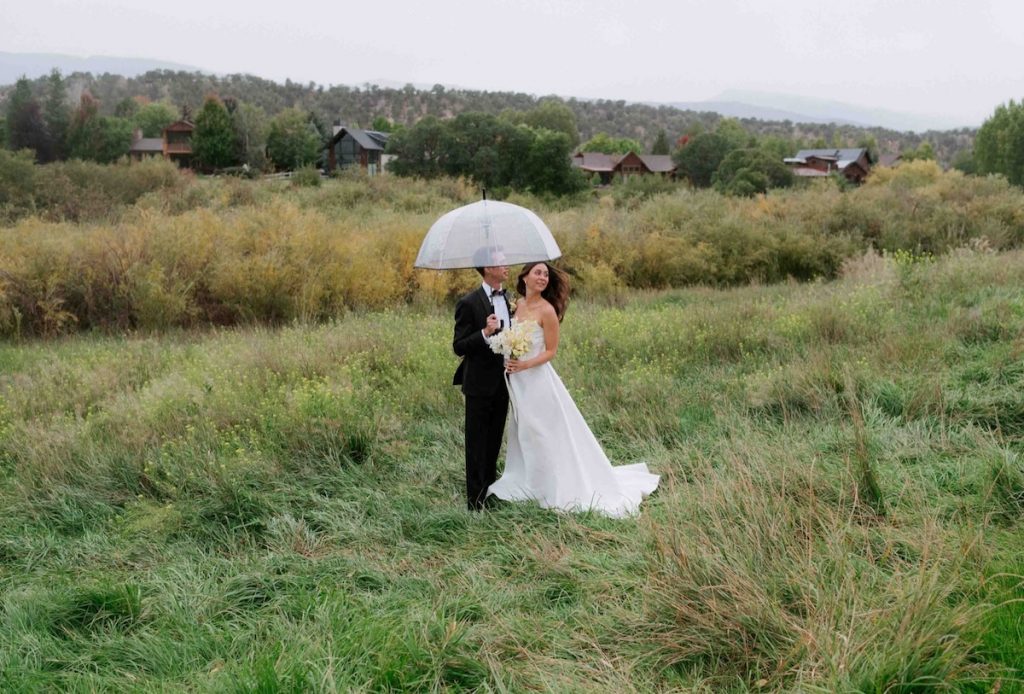
Prompt: “Hold the umbrella and bouquet and look off in the same direction for a moment.”
Behind the shot: Position the couple close so their shoulders naturally touch. Let the shared gaze and small reactions guide the moment, keeping it relaxed, connected, and quietly playful.
A Moment in the Car
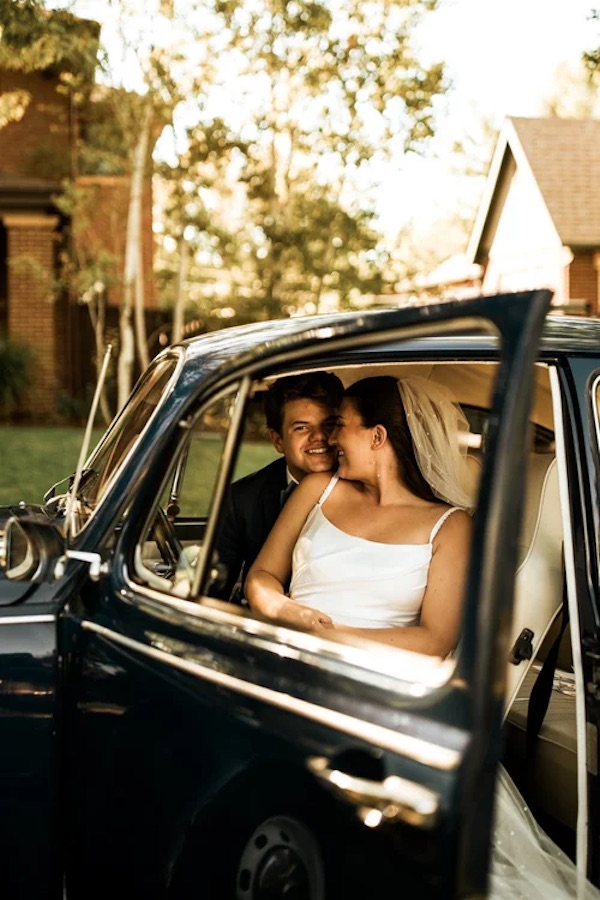
Prompt: “Wrap your arms around her from behind and give me a smile. You lean into him and look over at him for a second.”
Behind the shot: Shoot from outside the car with the door open, using the frame of the door to naturally surround them. Focus on how close they are, their shared smiles, and relaxed body language to keep the moment feeling intimate and easy.
Standing Together
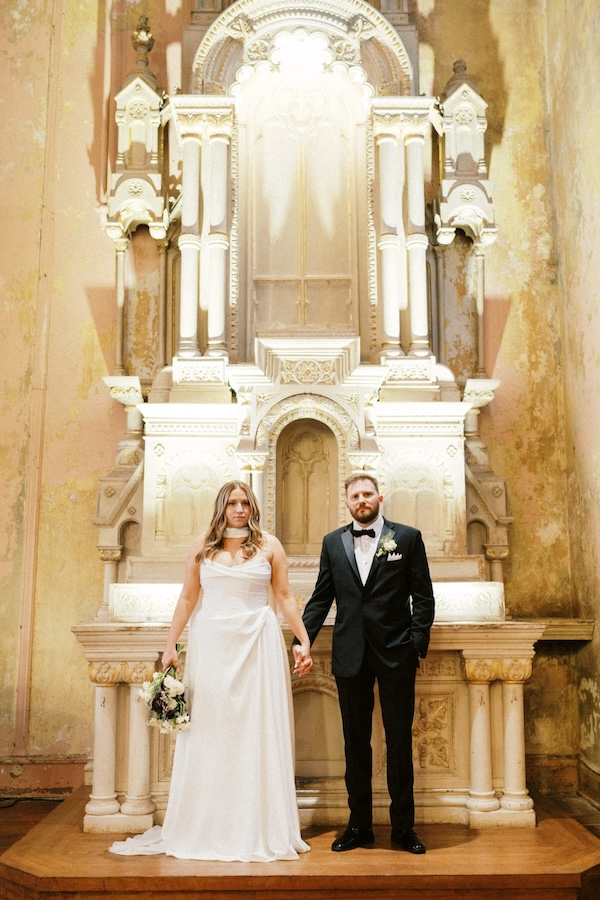
Prompt: “Stand tall, hold hands, and look straight at the camera like you’re ready to take on the world together.”
Behind the shot: Position the couple so the architecture naturally frames the scene without overpowering it. Keep their posture relaxed and grounded, letting the setting support the image while their connection stays front and center.
First Compliment
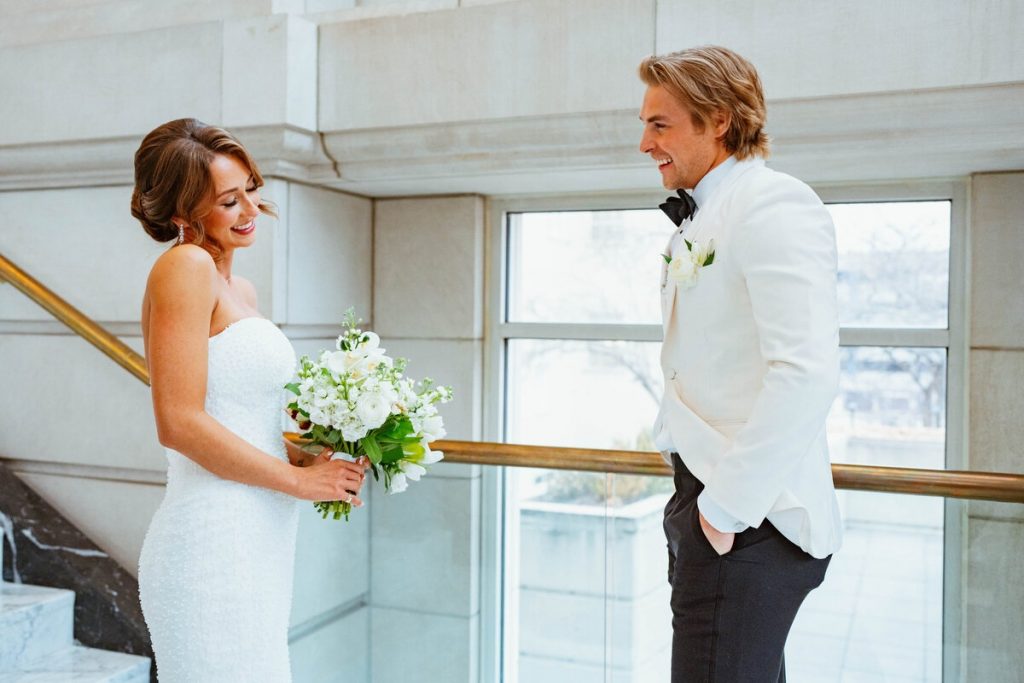
Prompt: “Turn toward each other and say the first nice thing that comes to mind.”
Behind the shot: Let them talk without stepping in. Watch for small smiles, quiet reactions, and the natural back-and-forth, and shoot as those expressions unfold on their own.
Claimed
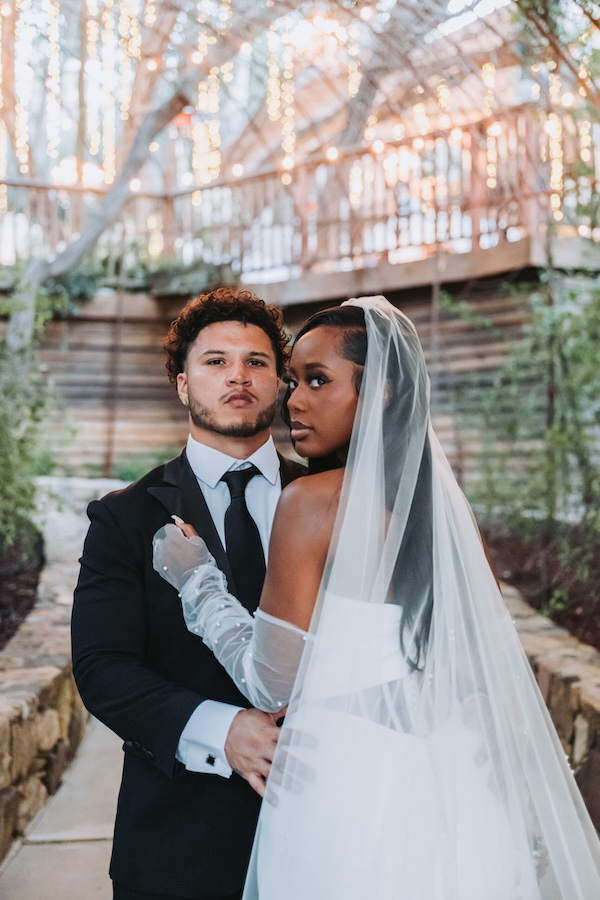
Prompt: “Stand close with your hand on her hip, your hand on his coat. You give the camera that confident “he’s mine” look, and you look off to the side like you’ve got this.”
Behind the shot: Frame them to show their posture and hand placement clearly. Shoot when her expression feels bold and playful and his feels calm and confident, letting the contrast between them create a fun, dynamic portrait.
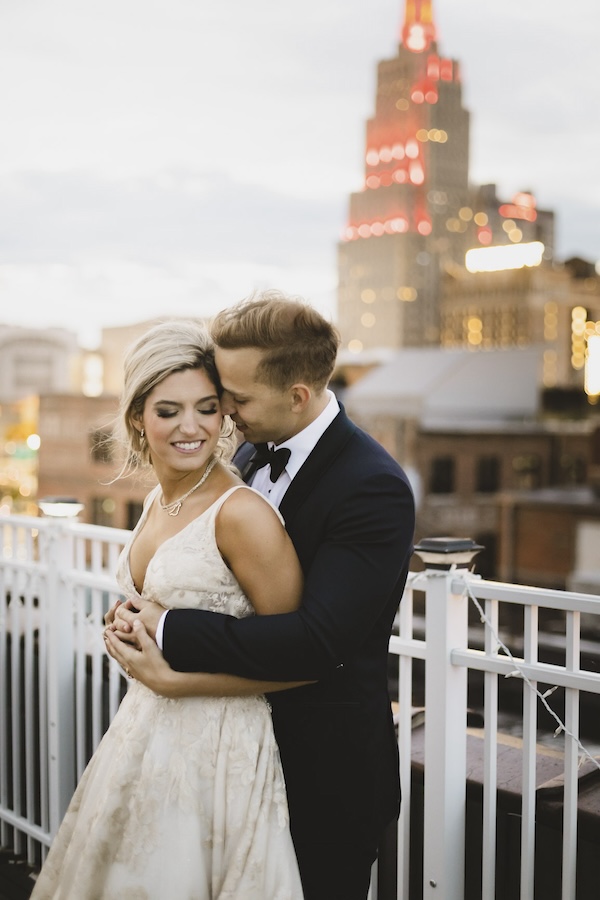
Prompt: “Hold each other close and lean in like you’re about to whisper something.”
Behind the shot: Let the moment play out and watch for real smiles, laughter, or small touches. Shoot when the connection feels warm, intimate, and easy.
The Kiss
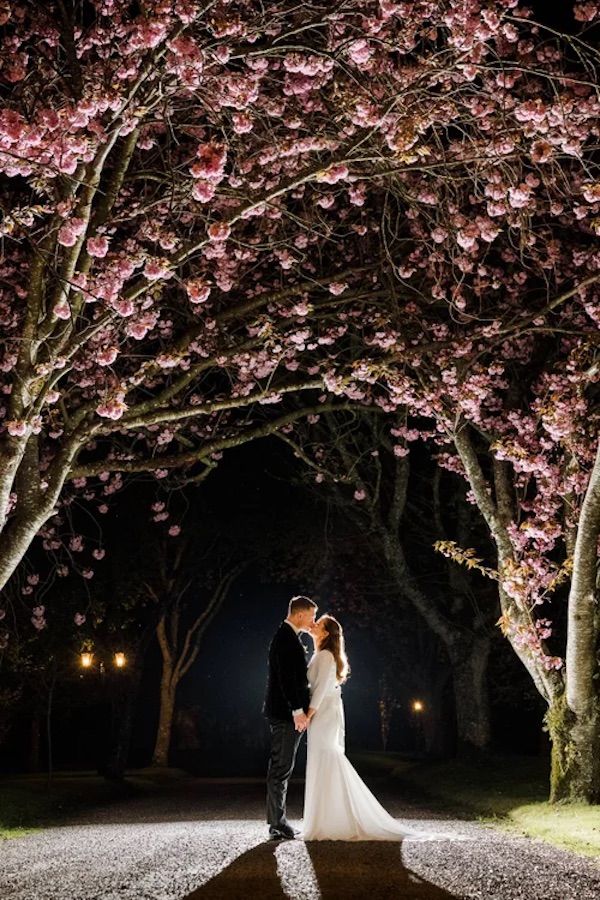
Prompt: “Lean in and share a slow kiss.”
Behind the shot: Position the wedding couple so the backlight creates long, clean shadows. Use nearby florals or trees to frame the scene, letting the light and setting carry the mood while keeping the moment timeless and romantic.
Generational Smiles
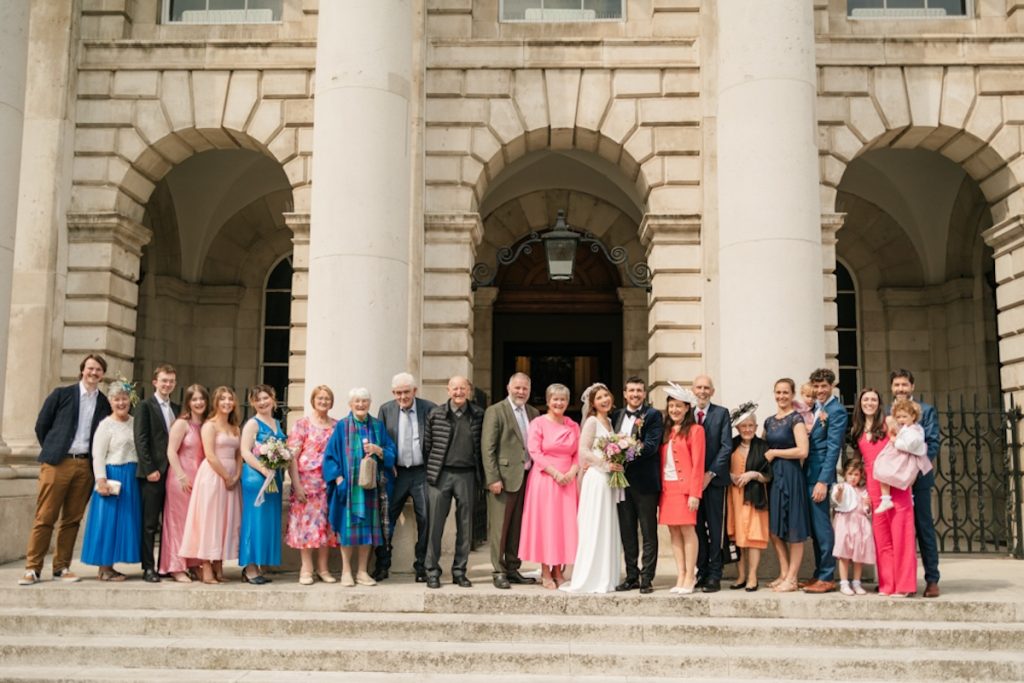
Prompt: “Everyone come in nice and close and look toward the camera—big smiles.”
Behind the shot: Give the group a moment to settle and interact. Capture the smiles, laughter, and small connections between generations to keep the photo warm and genuine.
Morning Laughter
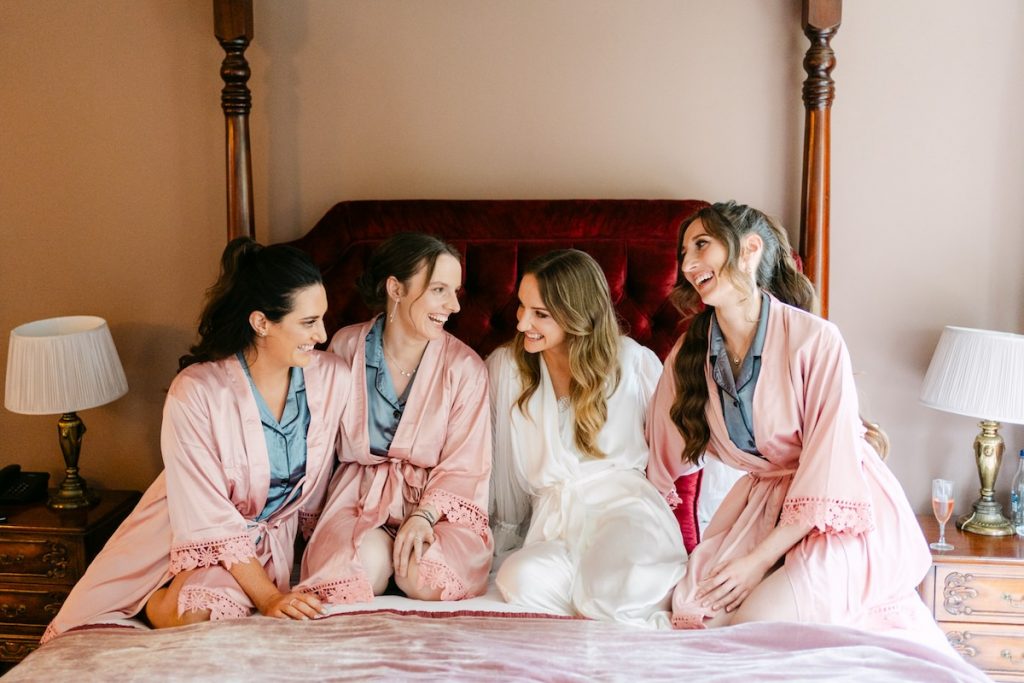
Prompt: “Come in close and share a laugh, like you’re just hanging out together.”
Behind the shot: Don’t over-direct and let the laughter build on its own. Watch for relaxed body language, easy smiles, and the natural back-and-forth that makes the moment feel fun and intimate.
A Little Secret
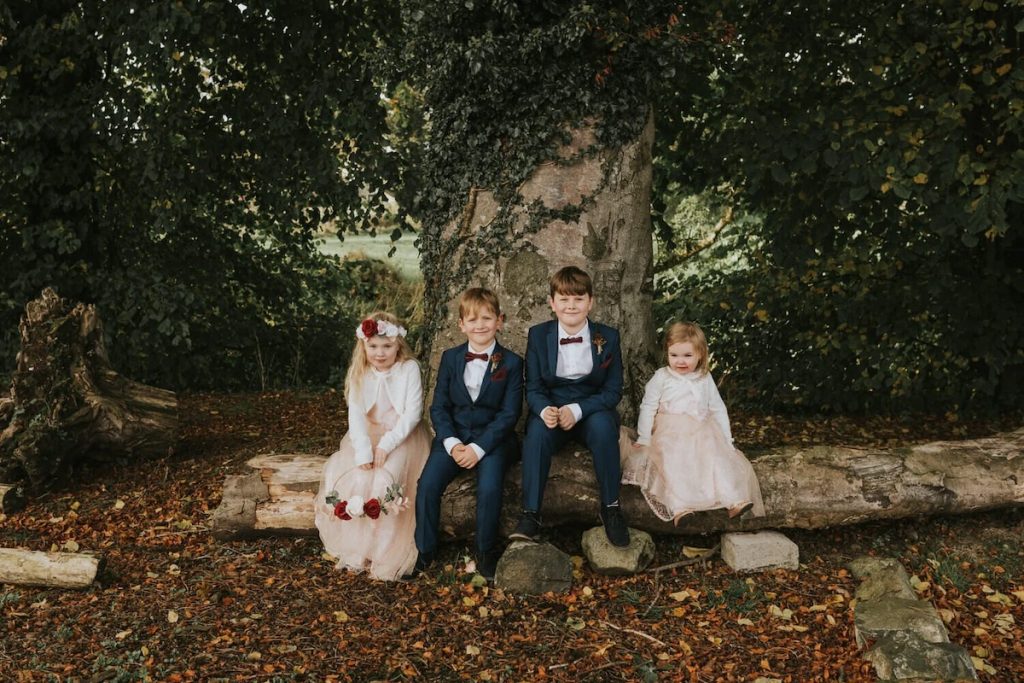
Prompt: “Sit close together and give me a smile like you’re sharing a secret.”
Behind the shot: Keep things easy and relaxed. Watch for real smiles, quick glances, or small reactions between them, and shoot when it feels warm and natural.
Couple Cheers

Prompt: “You two lean in for a kiss. Everyone else, cheer them on.”
Behind the shot: Let the group react freely without slowing things down. Keep the couple centered and connected while the clapping, laughter, and movement happen around them, capturing the contrast between their quiet moment and the celebration.
Movement Prompts
Prompts where physical action, motion, or gesture is the primary driver of natural expression.
Use when: Energy feels tense or formal and you want to loosen people up through action or small gestures.
Avoid when: Space is tight or you need precise framing, as movement reduces control over timing and composition.
Quiet Anticipation
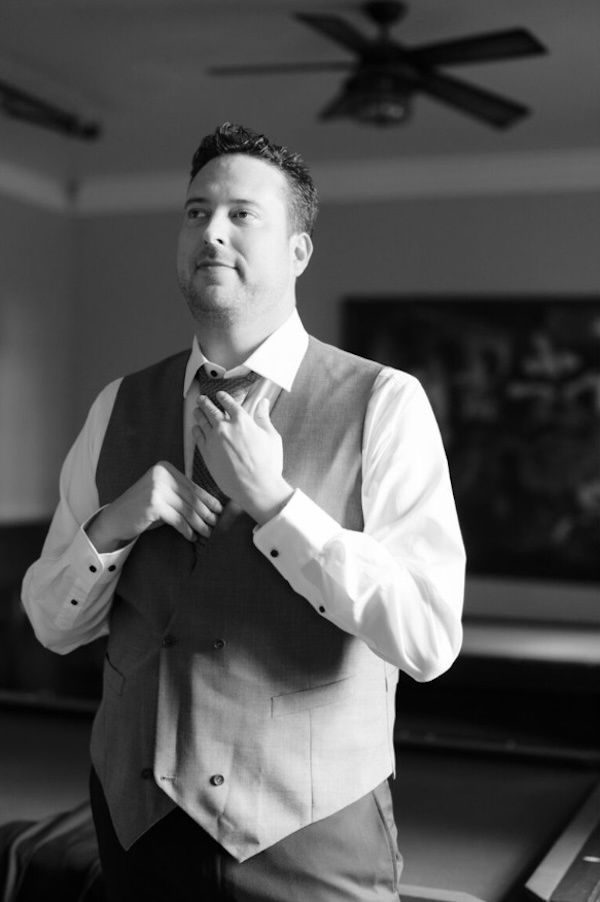
Prompt: “Just keep getting ready. Fix your tie, button your vest, and look off to the side for a moment.”
Behind the shot: Follow the movement as he finishes getting dressed. Watch for natural pauses and expressions between actions, and shoot when the moment feels calm and focused rather than posed.
Finishing Touches

Prompt: “Put your earring on and take your time, letting a smile come naturally.”
Behind the shot: Shoot as she brings the earring up and fastens it. Stay tight on the hands and face, and be ready for the small smile that usually comes right at the end. Let the movement finish before you click, so it feels natural and unposed.
Champagne Joy

Prompt: “Raise your champagne and smile, like you’ve just had a happy surprise.”
Behind the shot: Keep the bride’s posture relaxed and encourage small movements so the moment feels lively rather than posed. Watch for genuine laughter and bright expressions as she interacts casually with the bottle.
Ready to Go
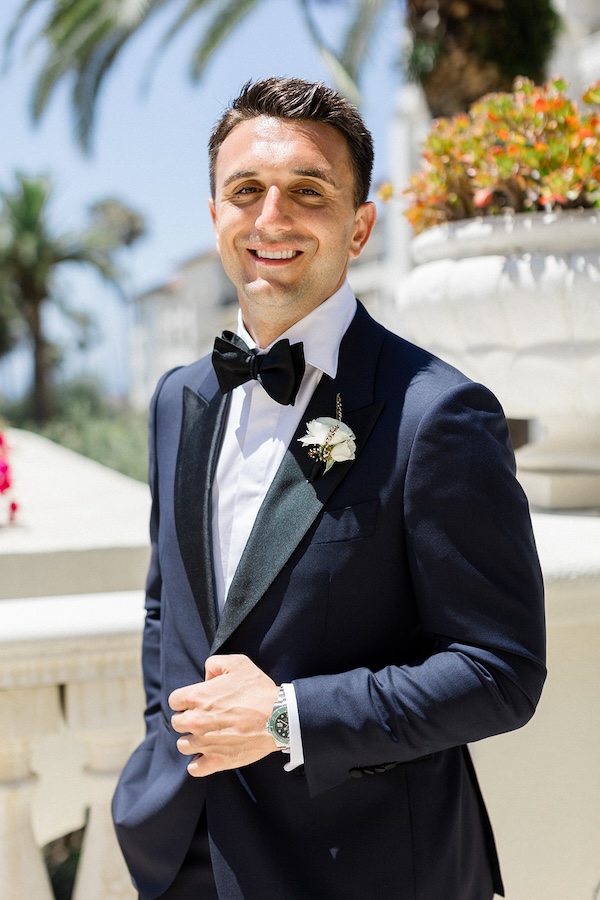
Prompt: “Stand up straight, give your jacket a quick adjustment, and smile toward the camera.”
Behind the shot: Focus on the groom’s relaxed posture and natural expression. Let the small gesture of adjusting the jacket add personality while keeping the smile genuine and approachable.
Excited Preparation
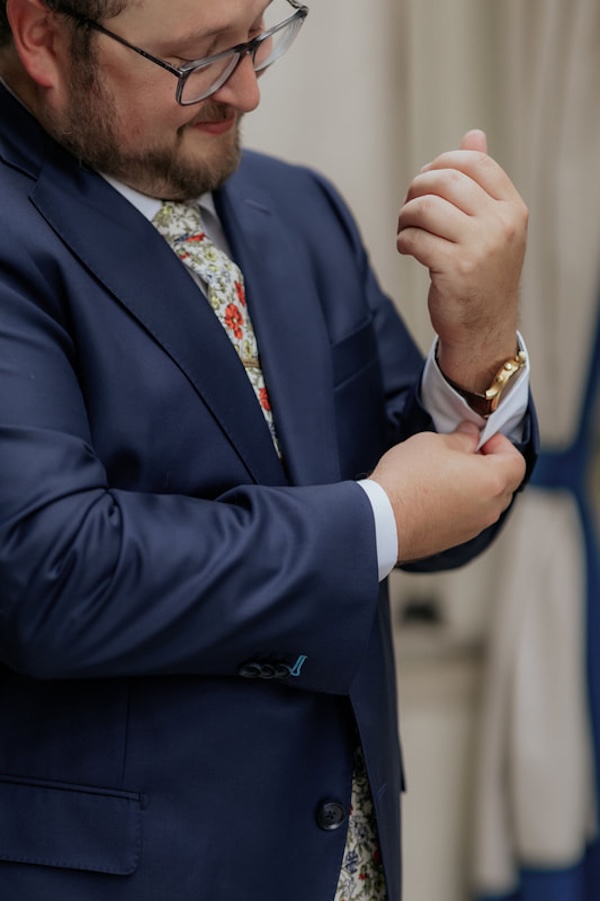
Prompt: “Go ahead and button your sleeves and give me a big, excited smile.”
Behind the shot: Focus on the hands adjusting the sleeves and the genuine expression on the groom’s face. Capture the small, energetic gestures that convey anticipation and excitement naturally.
Casual Lean
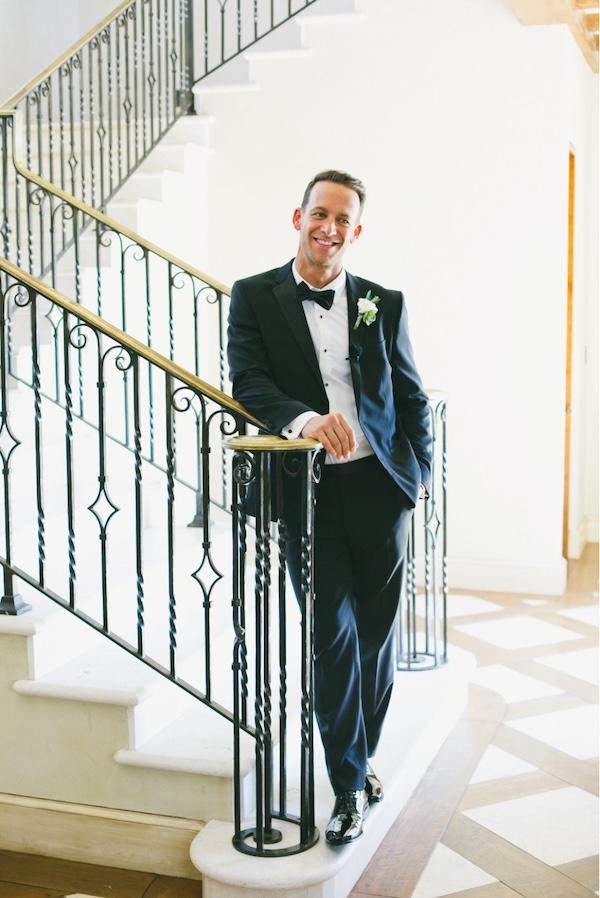
Prompt: “Lean on the railing, put one hand in your pocket, and give me a relaxed smile.”
Behind the shot: Watch the groom’s posture as he settles into the pose. Shoot when the body language feels loose and the smile looks natural, keeping the mood calm and confident.
Final Touch
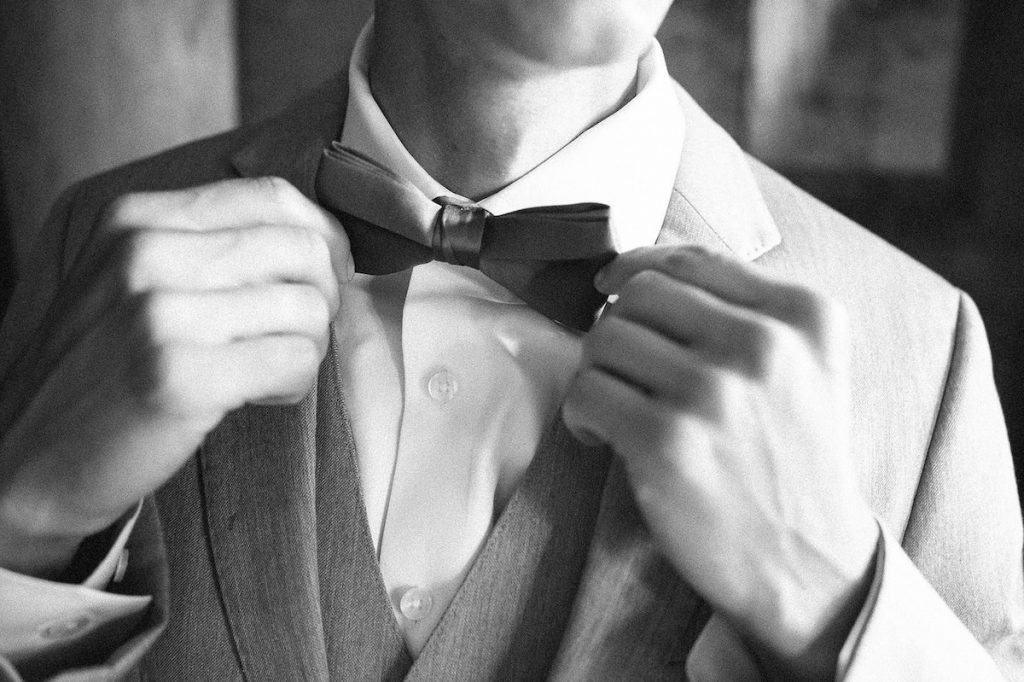
Prompt: “Go ahead and adjust your bowtie or cufflinks, like you’re finishing getting ready.”
Behind the shot: Frame a tight shot on the hands and suit details, leaving the face out of focus or out of frame. Highlight the small, deliberate movements that show preparation and attention to detail.
Good News
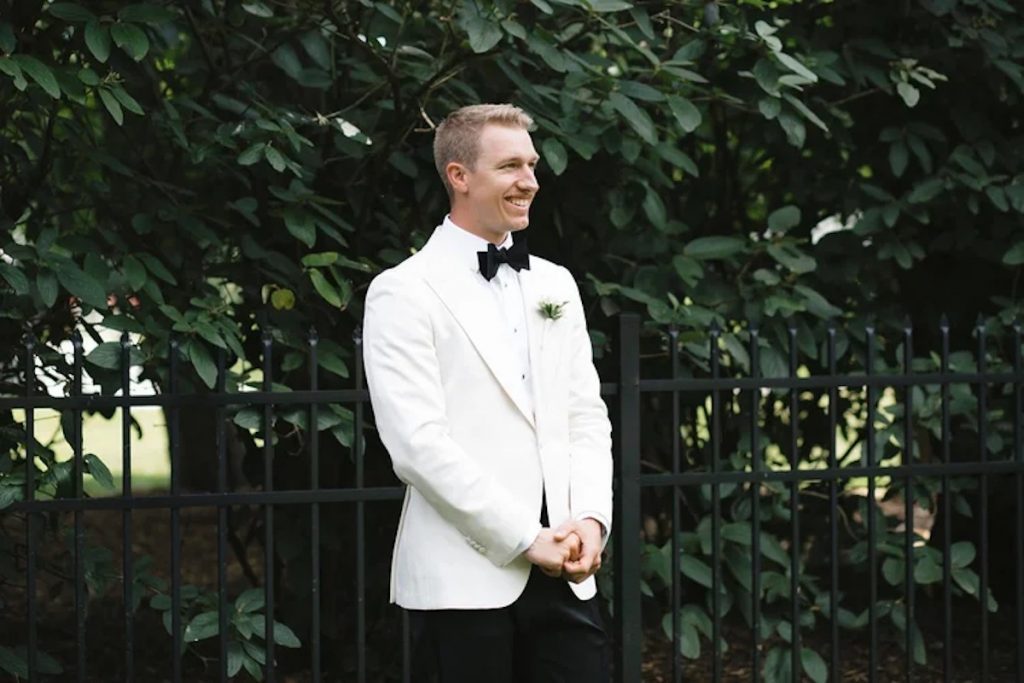
Prompt: “Turn a little to the side and give me a big, excited smile.”
Behind the shot: Keep the posture relaxed and shoot as the smile comes in. Use the slight turn of the body and face to add energy while keeping the moment natural and lively.
Corridor Adventure
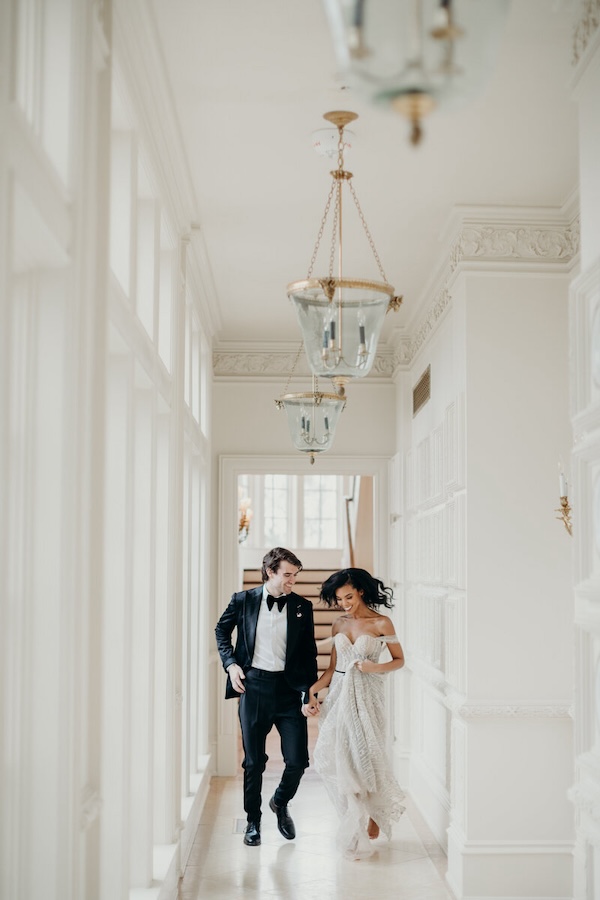
Prompt: “Hold hands and run down the corridor together like you’re sneaking off for a little adventure.”
Behind the shot: Let them move freely and encourage genuine laughter. Focus on the connection, motion, and smiles rather than perfect form, capturing the energy as it unfolds.
Best Men Goofing Around
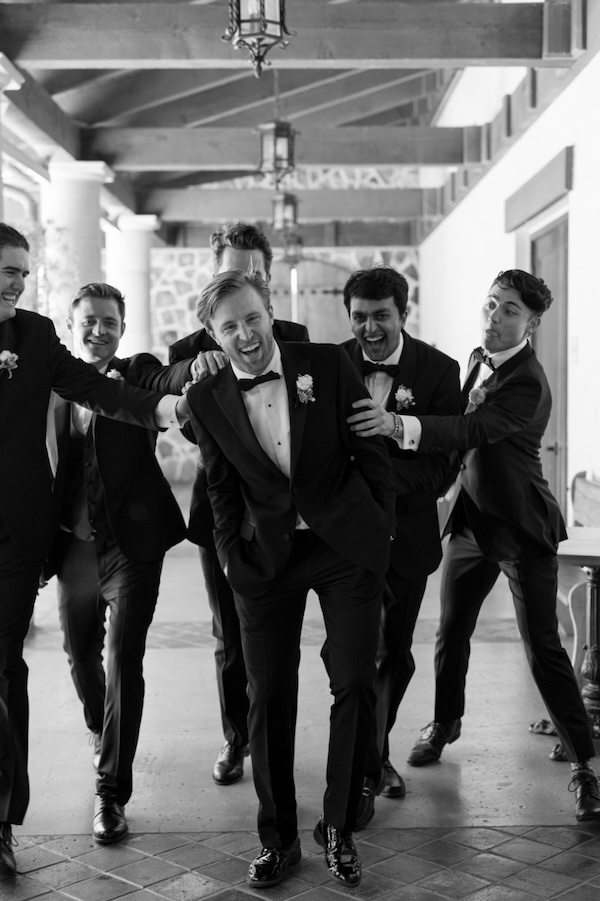
Prompt: “Mess around with each other for a second—a little push, a little laugh—just have fun with it.”
Behind the shot: Focus on the genuine laughter, spontaneous gestures, and the energy between the group. Let the movement happen naturally and capture the connection and fun without over-directing.
Environmental Prompts
Prompts that rely heavily on light, space, surroundings, or location to shape behavior and mood.
Use when: Light, location, or surroundings meaningfully add mood or context to the image.
Avoid when: The environment is visually busy or inconsistent, pulling attention away from the people.
The Ring in Focus
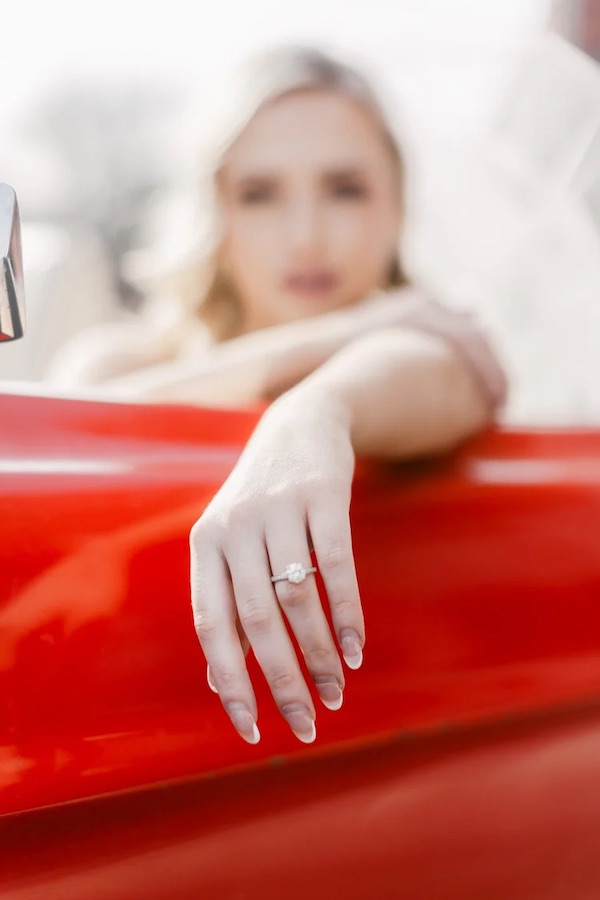
Prompt: “Rest your hands in front and let the ring be the focus, while you glance toward the camera.”
Behind the shot: Have the bride place her hands on a stable surface so they stay still and deliberate. Focus on the hands, letting her gaze add depth and emotion in the background.
Soft Window Light
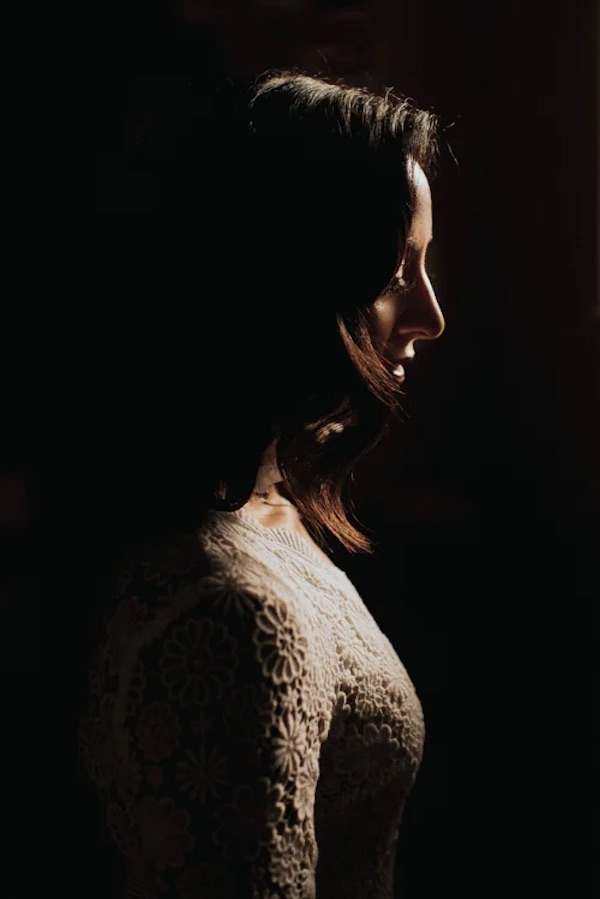
Prompt: “Step into the light by the window and look down for a moment, like you’re just taking a breath.”
Behind the shot: Position the bride so the window light falls across part of her face, creating a bit of contrast and depth. Keep your direction minimal and give her a few seconds to settle—the best expressions usually come when she’s not thinking about the camera.
Taking in the View
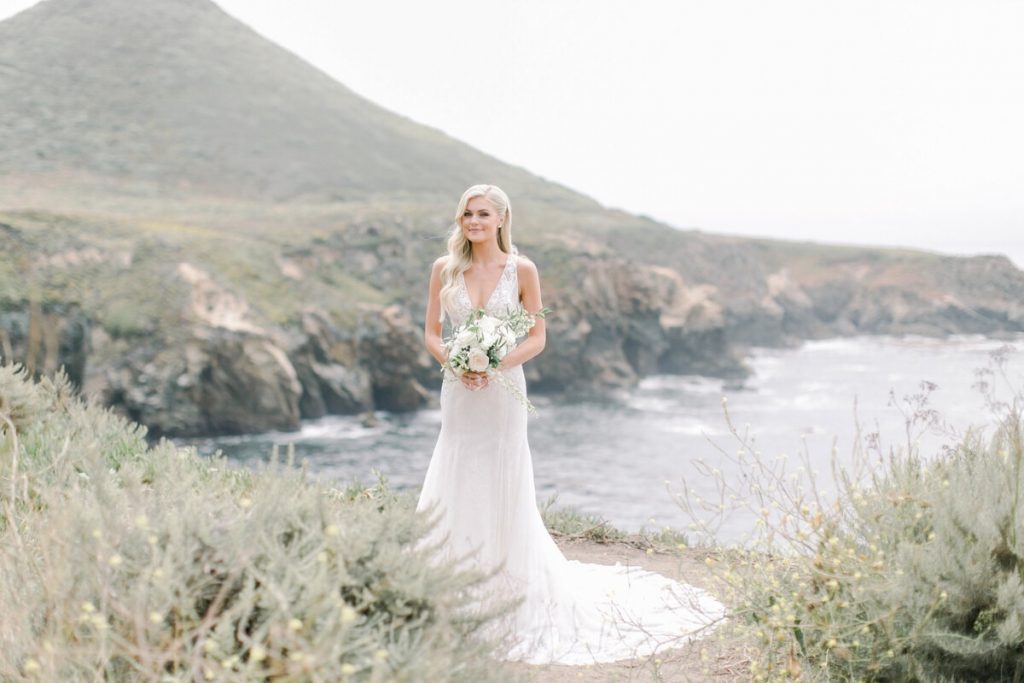
Prompt: “Hold your bouquet and flash a smile for the camera, like you’re soaking in the view and loving every second of it.”
Behind the shot: Position the bride so the scenery fills the background without distracting from her. Keep the direction light and let the smile come naturally while balancing her against the landscape.
Couple Photography Prompts
Emotion-First Prompts
Prompts designed to surface intimacy, closeness, or internal emotional response rather than energy or motion.
Use when: The couple is already comfortable and you want quiet intimacy, closeness, or subtle expression.
Avoid when: The couple feels stiff or nervous early in the session, when emotional prompts can feel forced.
Kiss on the Cheek

Prompt: “Sit close, wrap your arms around each other, and give her a quick kiss on the cheek.”
Behind the shot: Let the couple settle in without over-directing. Watch for relaxed body language, gentle touches, and natural smiles, and shoot when the moment feels easy and intimate.
Golden Hour Kiss

Prompt: “Lean in and share a slow kiss.”
Behind the shot: Position the couple so the golden-hour light wraps gently around them. Use nearby trees or florals to frame the scene, letting the warm light and soft depth carry the mood while keeping the moment calm and timeless.
Close Laugh
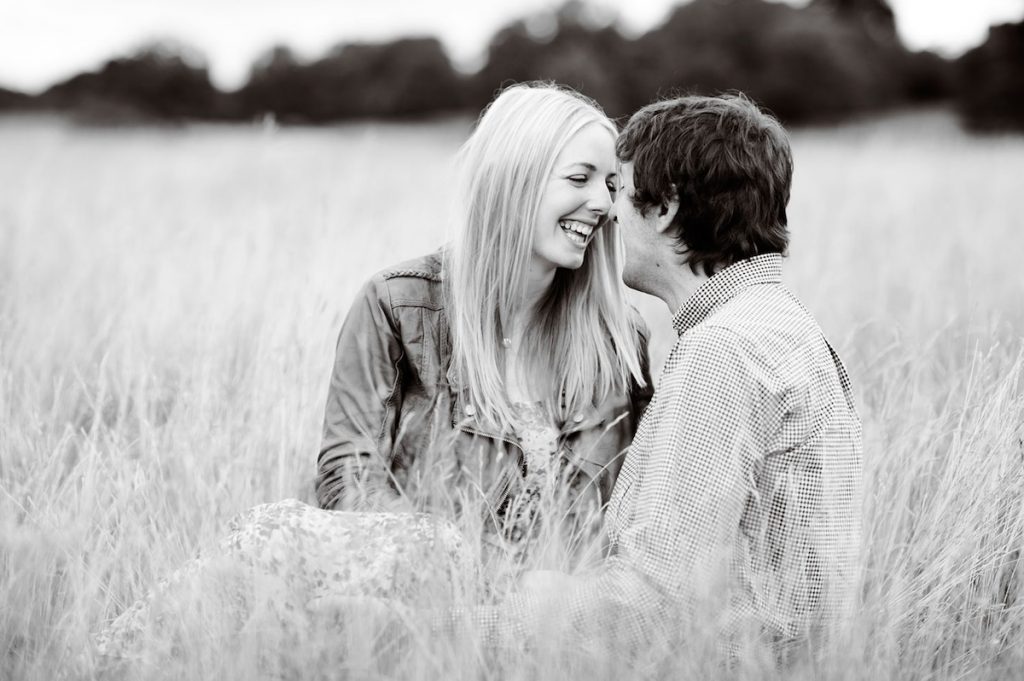
Prompt: “Sit close together in the grass and lean in until your noses almost touch. Think of something that makes you laugh.”
Behind the shot: Frame them tight to emphasize how close they are. Let their expressions lead the moment and shoot as the laughter comes out naturally. Black and white works especially well here to highlight the emotion and connection.
Close Together

Prompt: “Sit close, hold hands, and turn slightly toward each other.”
Behind the shot: Frame in tight to focus on their hands and small shifts in body language. Black and white works well here to strip away distractions and let the emotion and closeness lead the image.
Whispered Laughter

Prompt: “Wrap your arms around each other and whisper something funny. Sway a little as you do.”
Behind the shot: Focus on the closeness and natural body language, capturing the couple’s smiles and playful expressions. Keep the framing tight enough to highlight intimacy while letting the laughter feel spontaneous and romantic.
Interaction Prompts
Prompts that create connection by directing attention toward each other through conversation, shared focus, or small gestures.
Use when: You want natural expressions without asking the couple to perform for the camera.
Avoid when: One partner is disengaged or distracted, which can break the shared focus these prompts rely on.
Secret Laugh

Prompt: “Think of an inside joke and turn toward each other for a quick laugh.”
Behind the shot: Let the couple lean in naturally and keep the direction minimal. Capture the moment mid-laugh, focusing on their expressions and the easy connection between them.
Bench Moment
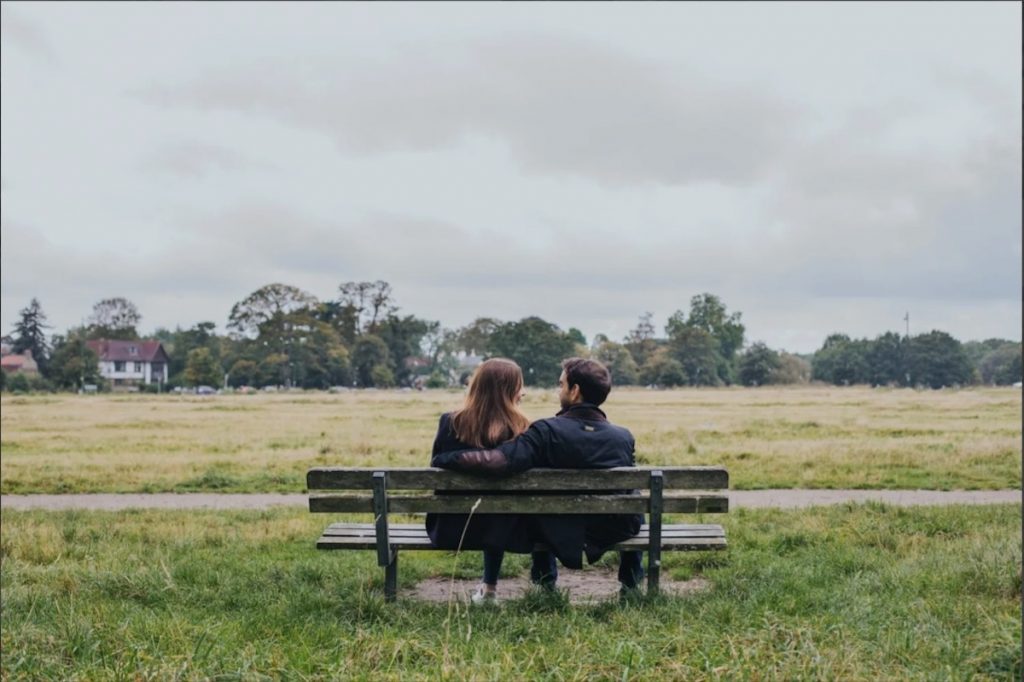
Prompt: “Sit together and talk for a bit, like you normally would.”
Behind the shot: Shoot from behind while they face each other. Capture the relaxed body language and shared laughter, using the open space to keep the moment intimate and unforced.
Ice Cream Date
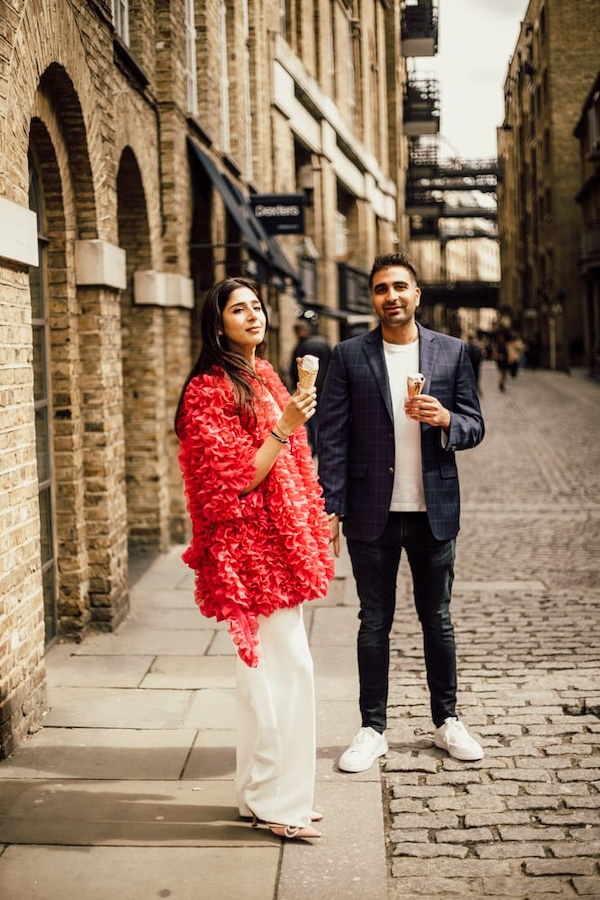
Prompt: “Stand close, enjoy your ice cream, and just hang out together for a moment.”
Behind the shot: Let them eat and move naturally without stepping in too much. Watch for small smiles, casual gestures, and the easy back-and-forth that makes it feel like a relaxed date.
Movement Prompts
Prompts where physical motion helps reduce stiffness and generate natural body language.
Use when: Energy feels flat or the couple looks physically stiff, especially at the start of a session.
Avoid when: You need precise composition or when space, light, or timing is tightly constrained.
A Gentle Spin
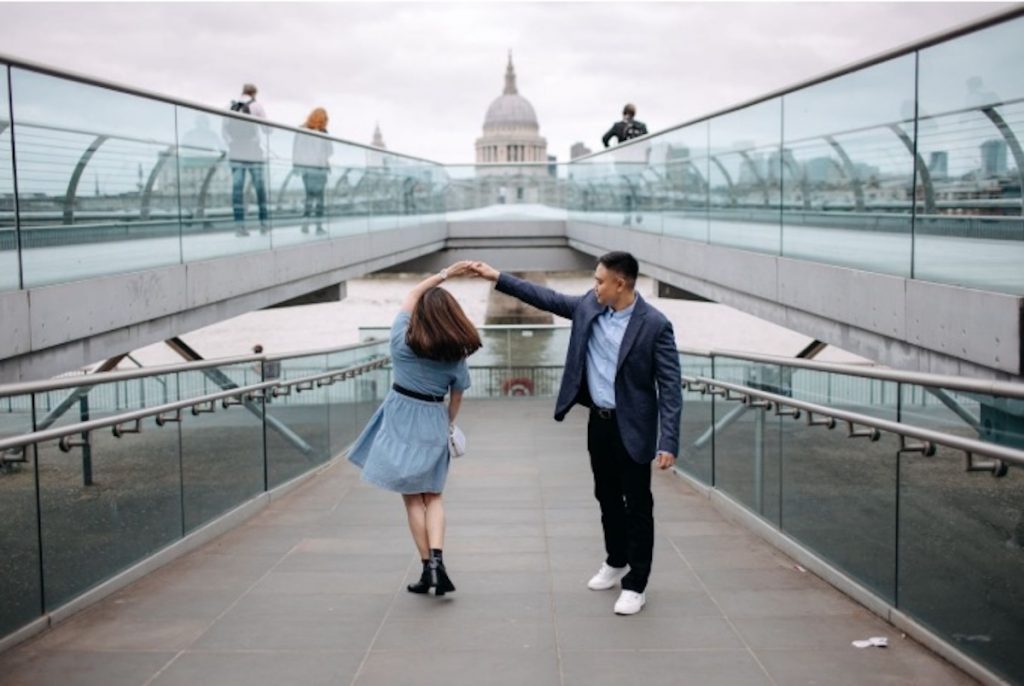
Prompt: “Hold her close and give her a gentle spin.”
Behind the shot: Let the movement flow without interrupting it. Use the surrounding lines to frame the couple and guide the eye, shooting through the motion to capture the connection and energy as it happens.
Chasing Leaves
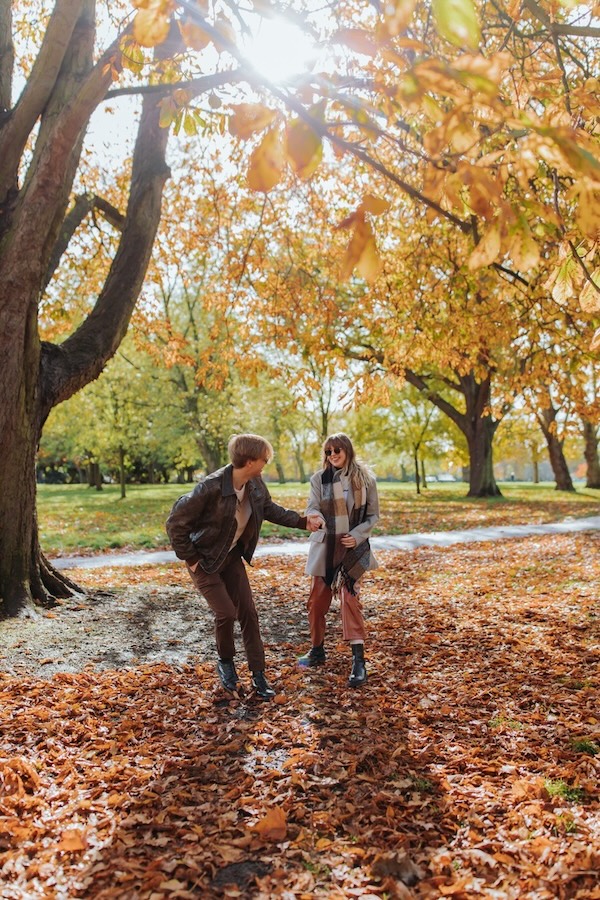
Prompt: “Grab each other’s hand and start moving forward like you’re about to run through the leaves.”
Behind the shot: Let the movement happen naturally and keep it light. Shoot through the laughter and motion, using the autumn colors and scattered leaves to add energy without over-directing.
Dog Walk
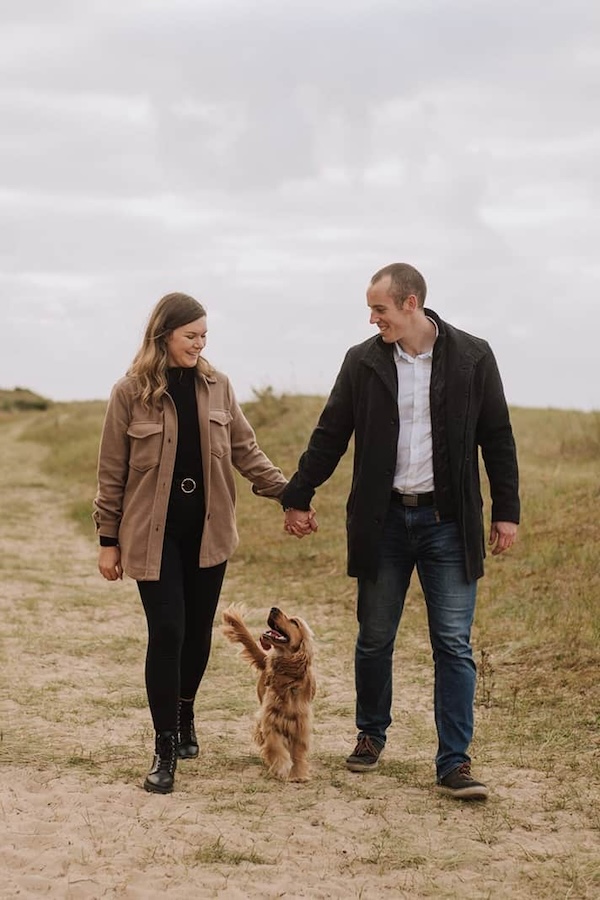
Prompt: “Hold hands and take a slow walk with your dog, just enjoying the moment.”
Behind the shot: Let the couple move at their own pace and interact naturally with each other and the dog. Watch for shared smiles, quick glances, and small reactions that capture the easy joy between all three.
Twilight Walk
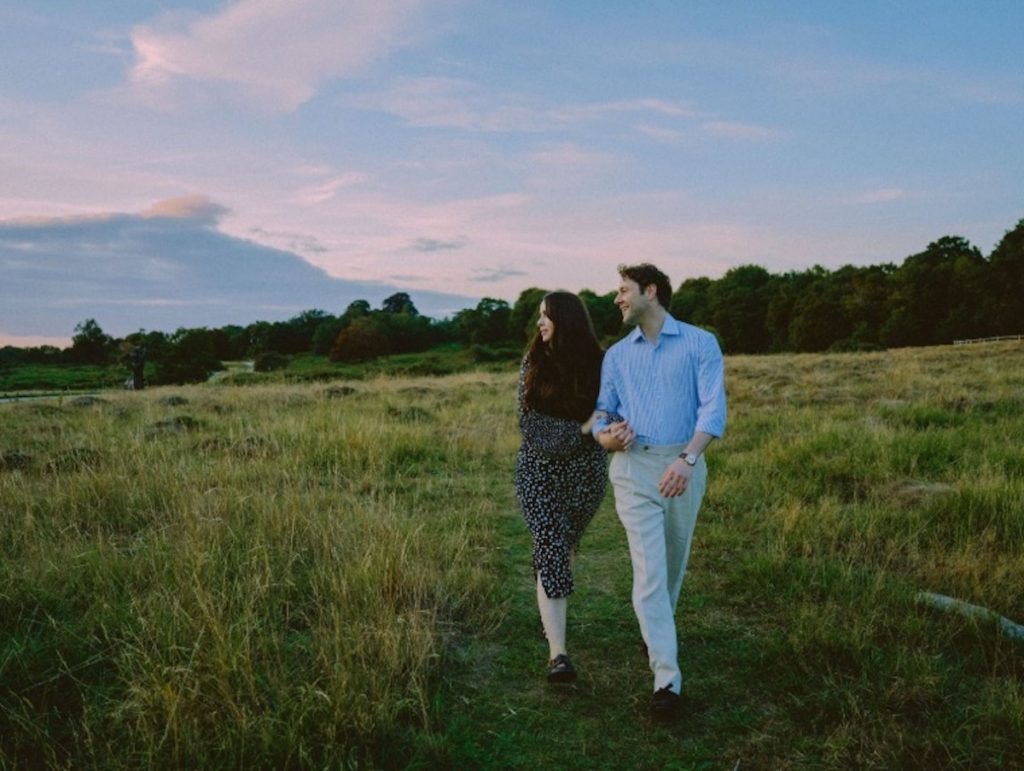
Prompt: “Hold hands and take a slow walk through the field, just talking as you go.”
Behind the shot: Let the couple move at an easy pace without rushing. Watch for relaxed gestures and soft expressions, and use the fading light to add mood while keeping the moment quiet and connected.
Up the Stairs
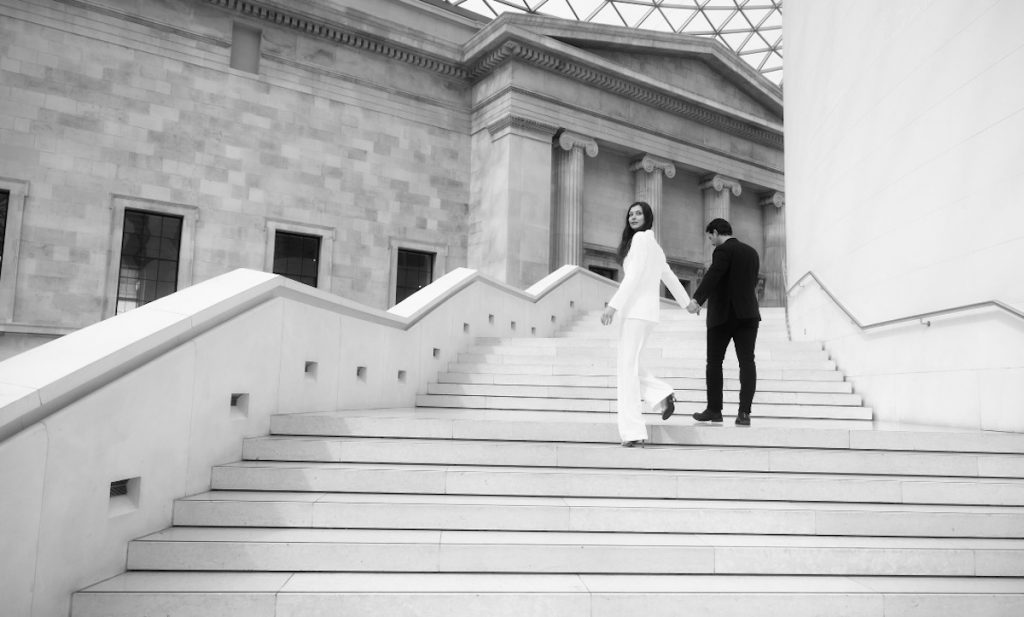
Prompt: “Hold hands and start walking up the stairs. One of you keep moving forward, the other glance back for a second.”
Behind the shot: Shoot from behind to capture the movement and their connection. Let their posture stay natural, using the contrast between the forward walk and the glance back, while keeping their hands linked to anchor the moment.
Environmental Prompts
Prompts where the setting, light, or surroundings actively shape the moment.
Use when: The setting adds meaning, mood, or visual structure to the image.
Avoid when: The environment is cluttered, distracting, or visually stronger than the couple themselves.
Leading Lines

Prompt: “Stand tall, hold hands, and give me an easy smile toward the camera.”
Behind the shot: Use the lines in the scene to naturally lead the eye toward the couple without overpowering them. Keep their posture relaxed and confident, and let the smiles and structure work together for a strong, balanced portrait.
By the River
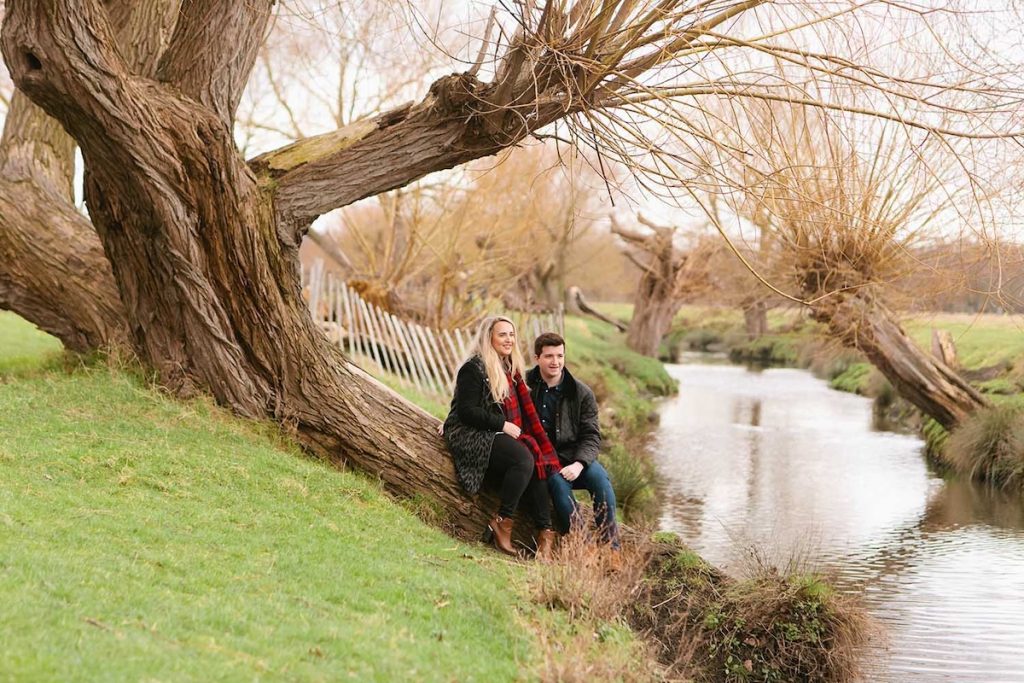
Prompt: “Sit together on the tree and look out for a moment, just taking in the view.”
Behind the shot: Frame the couple on the tree with the river flowing behind. Use the curve of the riverbank to guide the eye, keep them close and relaxed, and shoot for soft expressions and small smiles that feel quiet and intimate.
Family Photography Prompts
Emotion-First Prompts
Prompts designed to capture warmth, tenderness, and quiet connection, often working best once everyone has settled.
Use when: The family has settled in and you want to capture tenderness, closeness, or quiet connection, especially with younger children or during calmer moments.
Avoid when: Kids are restless or full of energy, as these prompts rely on stillness and gentle focus.
Family Hug

Prompt: “Come in close and give each other a big hug.”
Behind the shot: Frame in tight to focus on their closeness and expressions. Let the smiles and small movements happen naturally, capturing the warmth and playful energy of the moment without over-directing.
Sibling Love
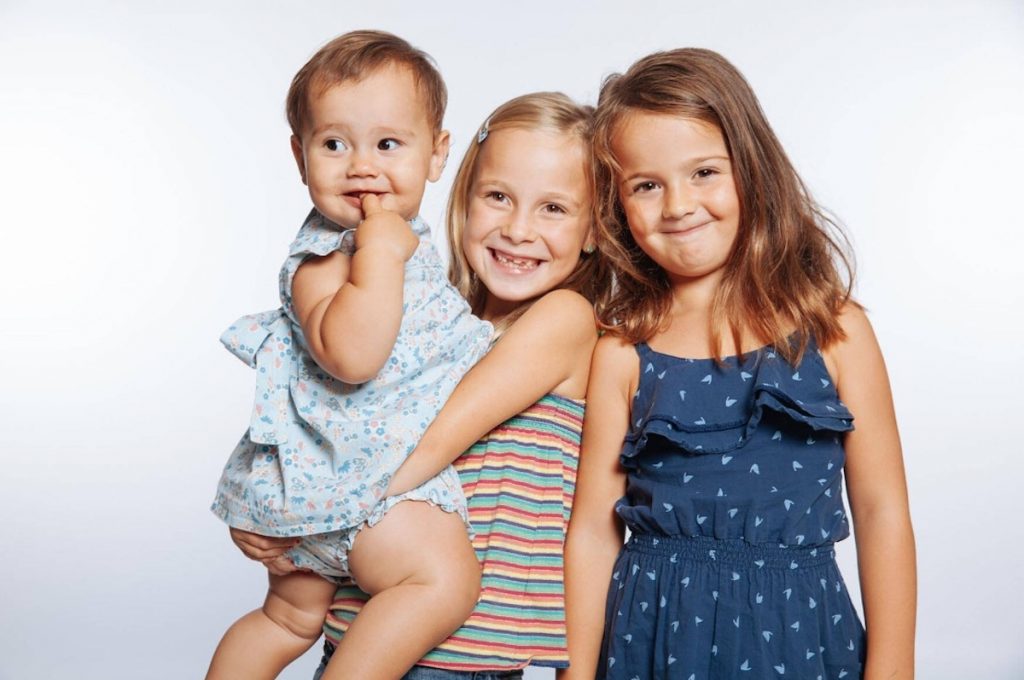
Prompt: “Big sisters, hold your baby sister close and give me a big smile.”
Behind the shot: Frame all siblings in close. Watch for gentle touches and shared smiles, and shoot as the interaction feels easy and playful to capture their warmth and bond.
Tender Gaze
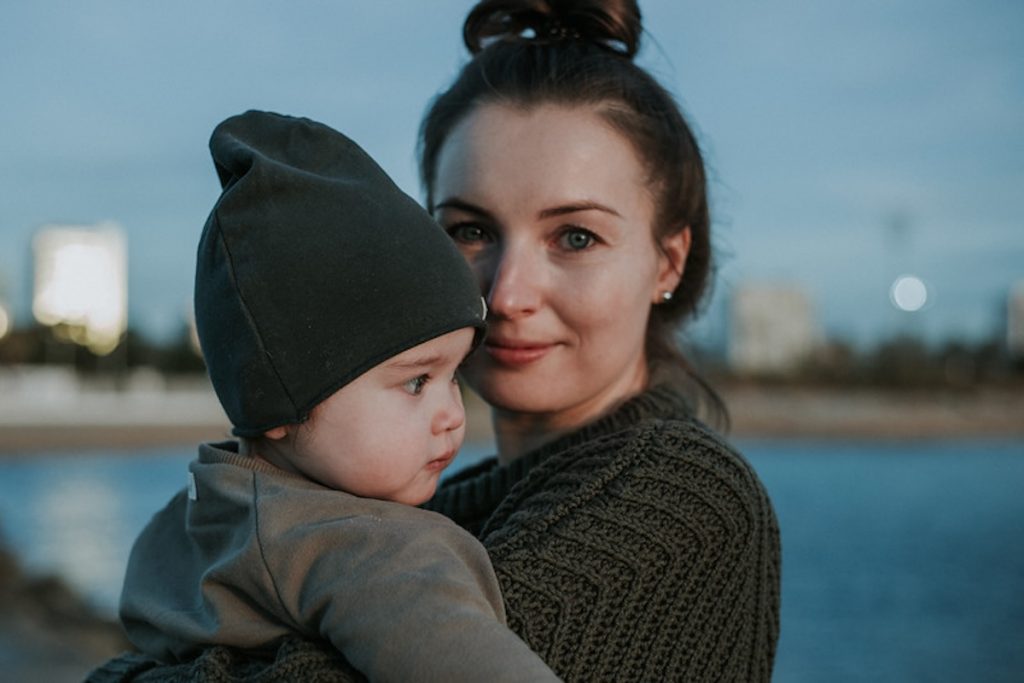
Prompt: “Mom, give me a soft smile toward the camera and let your little one look around.”
Behind the shot: Frame in close to keep the focus on their connection. Shoot for the contrast between the mother’s calm smile and the baby’s curious gaze, letting the moment feel quiet, warm, and heartfelt.
Interaction Prompts
Prompts that create connection through touch, conversation, or shared attention without requiring performance.
Use when: You want natural expressions across different ages without asking anyone to perform for the camera.
Avoid when: Attention is fragmented or group dynamics are tense, as these prompts depend on easy, shared engagement.
Picnic Smooch
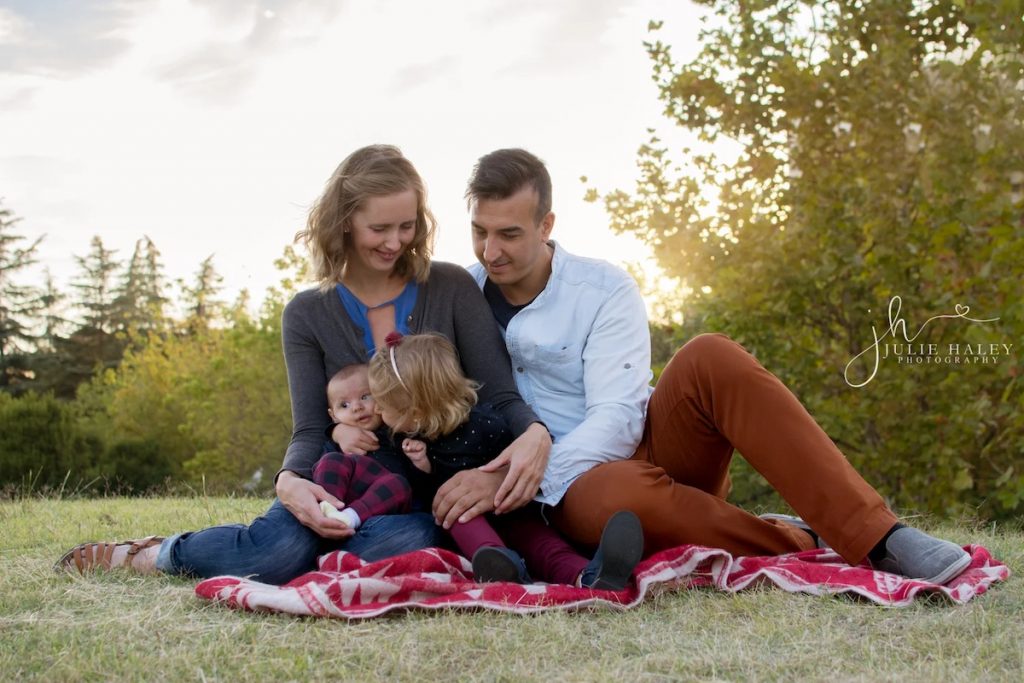
Prompt: “Hey big sis, give the baby a quick kiss and make it cute!”
Behind the shot: Frame the family together on the picnic mat so everyone’s included. Focus on the little kiss and the parents’ reactions, shooting through the smiles and playful interaction to capture the warmth of the moment.
Family Celebration

Prompt: “Everyone come in close and give me your biggest, warmest smiles.”
Behind the shot: Frame the family so everyone is clearly visible, letting the festive décor add a sense of place and warmth. Keep the mood light and easy, and shoot as the smiles settle into something natural and genuine.
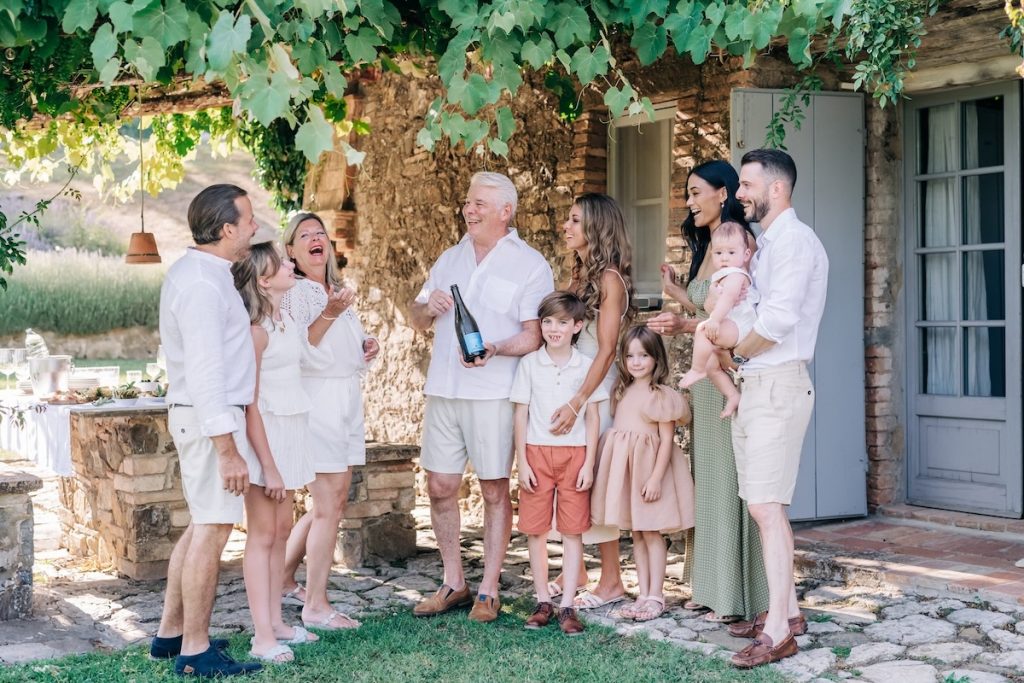
Prompt: “Just talk like you normally would. Kids, stay close and smile if you feel like it.”
Behind the shot: Frame the family so everyone’s included. Shoot as the adults laugh mid-conversation, and watch for the kids’ soft smiles and reactions, capturing the easy, playful connection between generations.
Movement Prompts
Prompts where action helps children relax and naturally pulls adults into authentic reactions.
Use when: Children feel energetic or distracted and you need action to loosen everyone up and generate authentic reactions.
Avoid when: Space is limited or safety and control are more important than spontaneity.
Field of Laughter
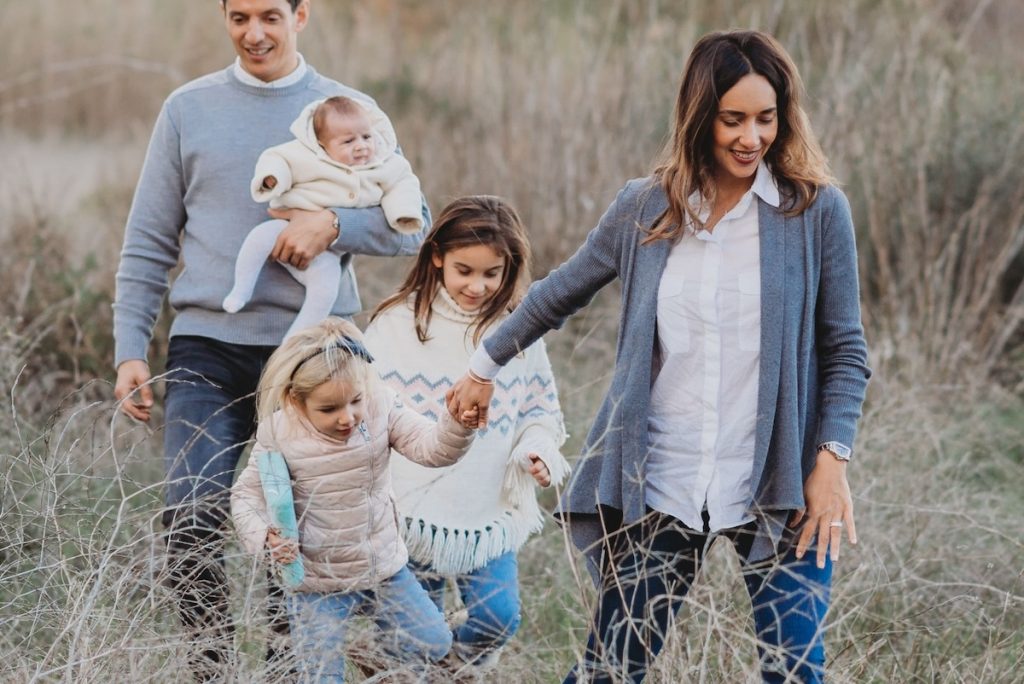
Prompt: “Kids, you go first—run, skip, or jump through the field. Mom and dad, just follow along behind them.”
Behind the shot: Shoot from the front with a tighter frame to catch the kids’ expressions clearly. Let their movement and energy lead the moment, while the parents’ reactions naturally add warmth and connection in the background.
Environmental Prompts
Prompts where the setting plays an active role in shaping mood, energy, or storytelling.
Use when: The setting adds context, mood, or storytelling value that supports the family’s interaction.
Avoid when: The background is visually busy or unpredictable, pulling focus away from faces and connection.
City Stroll

Prompt: “Give your kid a ride as you walk along. Hold on tight and have some fun with it.”
Behind the shot: Frame the family so the street activity adds energy and context without stealing focus. Shoot through the movement, watching for laughter, shared looks, and playful reactions that capture the lively feel of a family enjoying the city together.
Beach Smiles
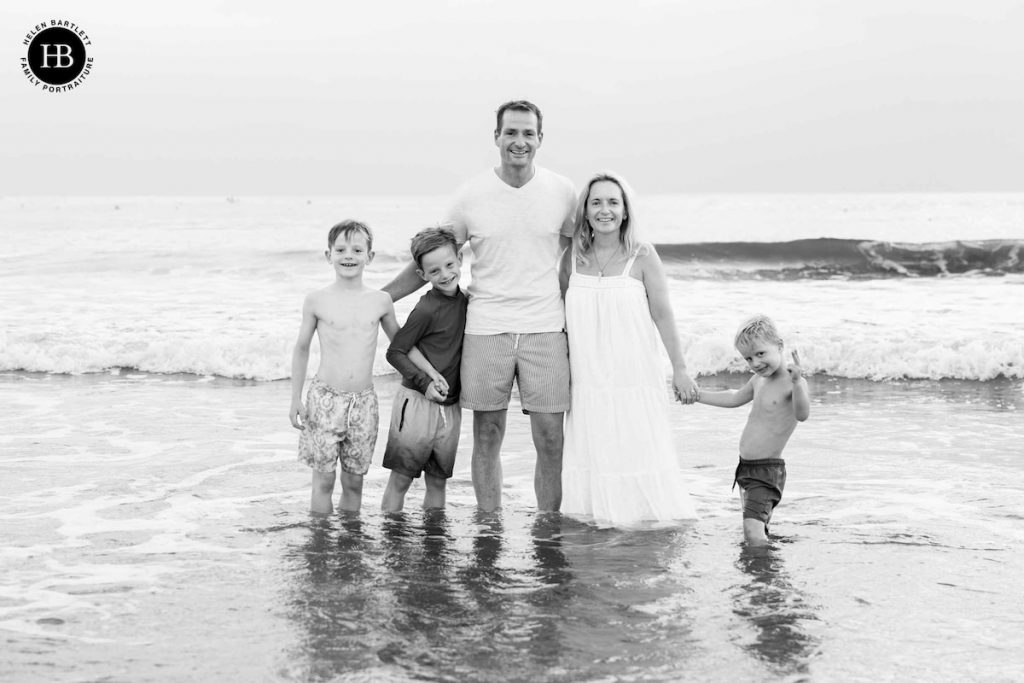
Prompt: “Kids, splash around a bit and give me your biggest smiles. Parents, jump in and smile along with them.”
Behind the shot: Frame the family so everyone’s visible in the water. Let the kids’ energy lead the moment and shoot through the splashing and laughter, catching the parents’ joyful reactions for a fun, carefree beach scene.
Event Photography Prompts
Event photography works under different constraints than weddings, couples, or family sessions. Moments are fast-moving, groups change constantly, and attention spans are short. Instead of building emotional depth over time, event prompts are designed to capture quick reactions and visible energy before moving on. That’s why these prompts are grouped around speed and interaction rather than introspection.
If you want a broader view of working efficiently in these environments, this pairs well with our guide on event photography tips. The goal isn’t to slow people down, but to reflect the momentum and atmosphere of the event as it unfolds.
Quick Reaction Prompts
Prompts designed to get an immediate, readable response from individuals or groups without interrupting the flow of the event.
These prompts prioritise speed, clarity, and recognisable body language. They work best when guests are moving between activities or when you need to capture participation without slowing things down.
Use when: You need a clean, professional image quickly and guests have limited attention.
Avoid when: People are mid-conversation or distracted, where stopping them feels forced.
Event Smiles

Prompt: “Stand together and give me a big smile.”
Behind the shot: Frame the guests so their faces are clearly visible. Shoot for relaxed, confident expressions and keep the mood light, capturing the positive energy of the event without over-directing.
Celebration Moment

Prompt: “Hold up your award and give me a big smile.”
Behind the shot: Frame the shot so both the award and her face are clearly visible. Shoot as the smile settles in, focusing on the natural excitement and pride that make the moment feel celebratory and real.
Around the Table

Prompt: “Everyone, just turn slightly toward the camera and give me a calm, confident look.”
Behind the shot: Frame the table so everyone is included, balancing those facing the camera with those slightly turned. Shoot for attentive, professional expressions that convey focus, collaboration, and the importance of the meeting.
Energy and Interaction Prompts
Prompts that amplify excitement, movement, and natural social behaviour.
These prompts mirror how people already behave at events, encouraging celebration, laughter, and interaction rather than performance.
Use when: Energy is already high and guests are comfortable interacting on camera.
Avoid when: The setting is formal or space is tight, where movement can disrupt composition.
Celebrating Together

Prompt: “Alright, let’s celebrate and have some fun with it. Cheer, clap, or throw your hands up.”
Behind the shot: Frame the group so everyone stays in view while leaving room for movement. Shoot through the action, watching for real smiles, laughter, and spontaneous reactions that capture the excitement of a successful event.
Cheers Together
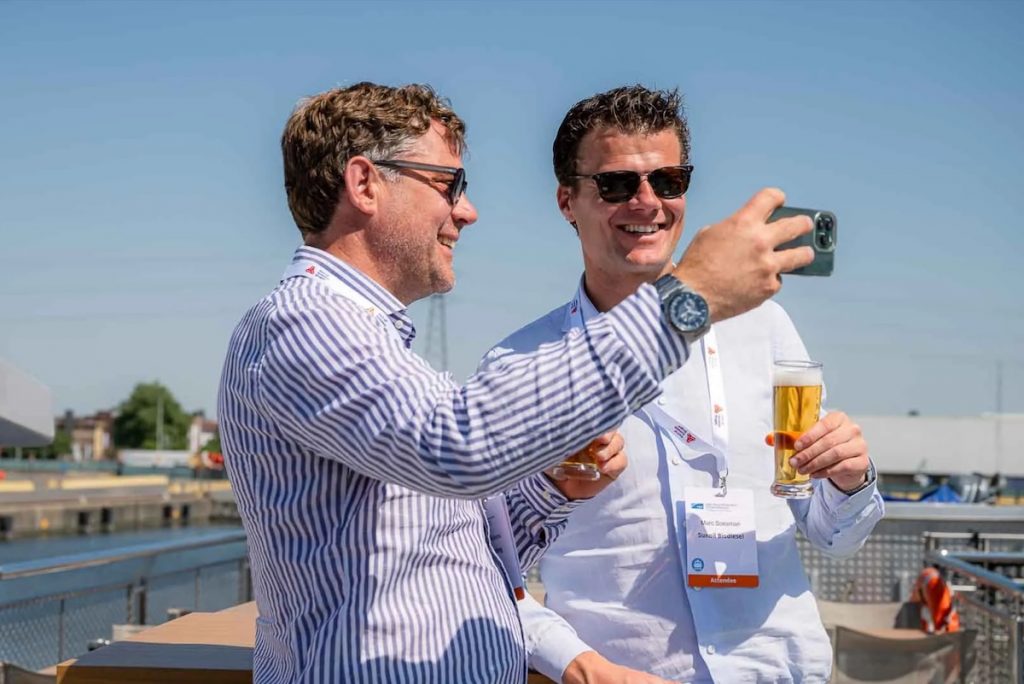
Prompt: “Grab your drinks and pull in close. You can take a quick selfie or just act like you are.”
Behind the shot: Frame them closely to include the drinks and their expressions. Focus on genuine laughter and playful energy, whether they’re looking at the camera or the phone, highlighting the fun and friendly vibe of the networking event.
At the Backdrop
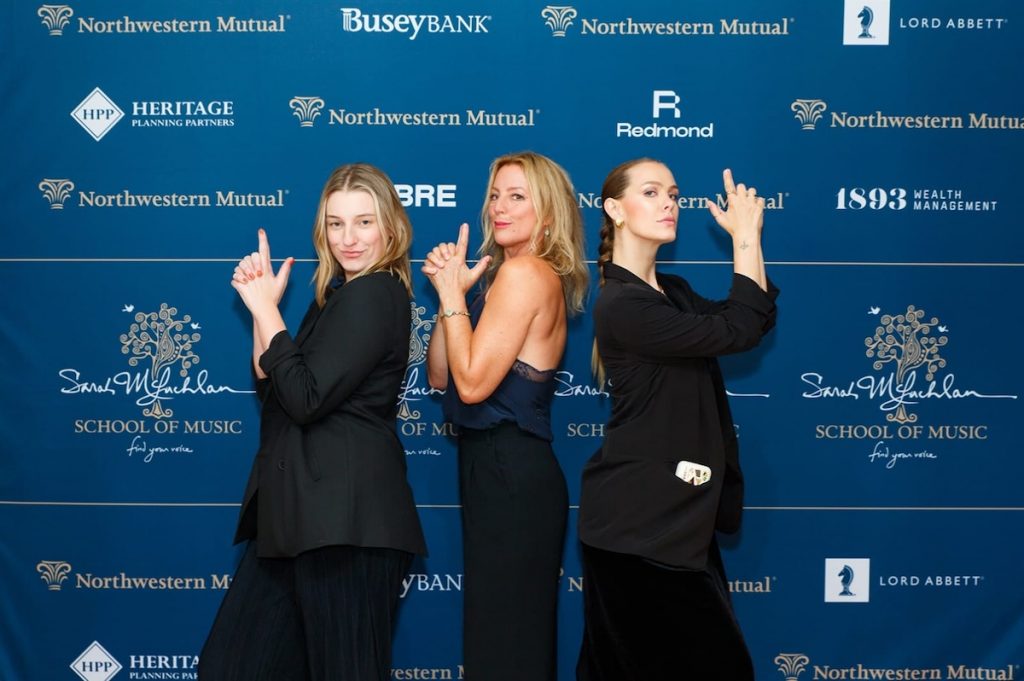
Prompt: “Just have some fun together. Move around, be a little silly, and do your thing.”
Behind the shot: Frame the guests at the backdrop and let their interactions lead. Shoot through the movement, watching for real laughter, energy, and playful expressions that make the moment feel carefree and candid.
When Photography Prompts Don’t Work (and How to Adapt)
Photography prompts aren’t universally effective. Knowing when to adjust, simplify, or pause prompting is part of using them well.
- When subjects feel tense or self-conscious
Emotion-driven or imaginative prompts can increase pressure, especially early in a session.
Adapt by: starting with low-stakes, movement-based direction such as walking, repositioning, or interacting with the environment to help subjects relax physically before introducing deeper prompts. - When reactions feel exaggerated or performative
Some people respond too literally, producing forced laughter or staged expressions.
Adapt by: slowing things down with quieter interaction cues such as standing close, sharing a short sentence, or pausing together, which often produce more believable expressions. - When group dynamics overwhelm the frame
In families or events, prompts can trigger chaos if everyone reacts at once.
Adapt by: establishing clear positioning and spacing first, then introducing a single, focused interaction so the composition stays readable. - When the environment limits flexibility
Tight spaces, harsh light, or crowded scenes can make movement-heavy prompts backfire.
Adapt by: reducing motion, shortening interactions, or using prompts that work within a fixed position and lighting constraint. - When energy is already unfolding naturally
Prompting can interrupt genuine moments at lively events or celebrations.
Adapt by: stepping back and observing. In these moments, anticipating interaction often produces stronger images than directing it.
Used well, prompting isn’t about constant direction. It is about knowing when to guide, when to adapt, and when to let moments happen on their own.
Conclusion
A successful photoshoot is less about perfect poses and more about guiding people into moments where real connection and emotion can surface. Whether you’re photographing a wedding, a family, a couple, or a live event, the strongest images come from understanding how people respond, not from rigid direction.
The photography prompts in this guide are meant to be tools, not scripts. Used thoughtfully, they help you adapt to different personalities, energy levels, and environments while maintaining control over light, composition, and timing. When intention and spontaneity work together, the result is a gallery that feels honest and human, filled with images that hold meaning long after the moment has passed.
Frequently Asked Questions
Start with prompts that involve simple movement or interaction, not emotion. Walking, adjusting clothing, or interacting with the environment helps people relax physically before asking them to engage emotionally. Once bodies loosen up and attention shifts away from the camera, more expressive prompts tend to land more naturally.
A pose direction tells someone how to look or where to place their body. A prompt gives them something to do or respond to. Poses control structure, while prompts influence expression and interaction. Used together, poses create the frame and prompts bring it to life.
There’s no fixed number. The goal isn’t to use more prompts, but to use the right type at the right moment. Some sessions flow with very little prompting once momentum builds, while others benefit from frequent, light guidance. If prompts start to feel repetitive or forced, it’s usually a sign to pause and observe rather than introduce another one.
When prompts fall flat, the issue is often timing or context, not the wording itself. Try simplifying the prompt, switching to movement, or giving the subject a moment without direction. In some situations, stepping back and letting interactions unfold naturally produces stronger results than continuing to prompt.
Prompts work differently depending on the context. Weddings, couples, and family sessions allow more room for emotional or interaction-based prompts. Events usually require faster, reaction-focused prompts due to time constraints and group dynamics. Understanding the environment helps you choose prompts that support, rather than disrupt, the flow of the shoot.
Yes, but the delivery matters more than the words themselves. A prompt that works beautifully with one couple may feel awkward with another if energy levels, personalities, or timing differ. Treat prompts as flexible tools, not scripts, and adjust based on how people respond in the moment.