
Part of our Workflow guides
Explore more articles on working faster, managing volume, and delivering efficiently in our Workflows section.
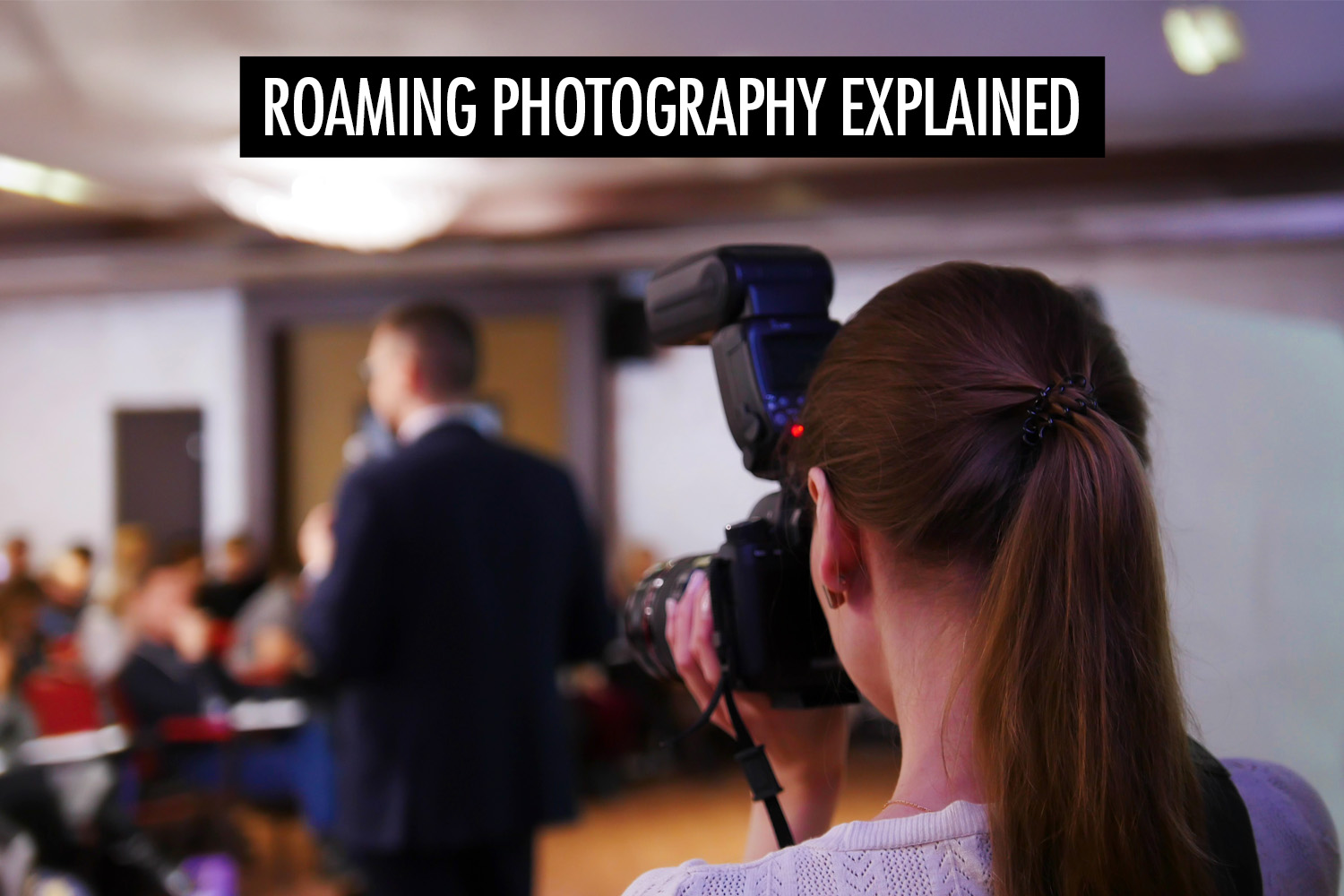
Roaming photography is a style of event coverage where the photographer moves through the venue capturing guest interactions and posed photos, often sharing the images instantly during the event.
I’ve used this approach at weddings, corporate events, and large conferences, sometimes working alone and sometimes leading teams of up to six photographers covering different areas at the same time. Over time, I’ve found that the real challenge with roaming photography isn’t the shooting itself, it’s the photography workflow. If you’re promising instant sharing or on-site prints, you need a system that can handle fast uploads, quick access for guests, and sometimes live printing, all while the event is still happening.
In this article, I’ll explain what roaming photography really means, how it differs from traditional event photography, the benefits and limitations of using it, and how I personally handle the workflow in practice.
What Is Roaming Photography and How It Differs from Traditional Event Photography
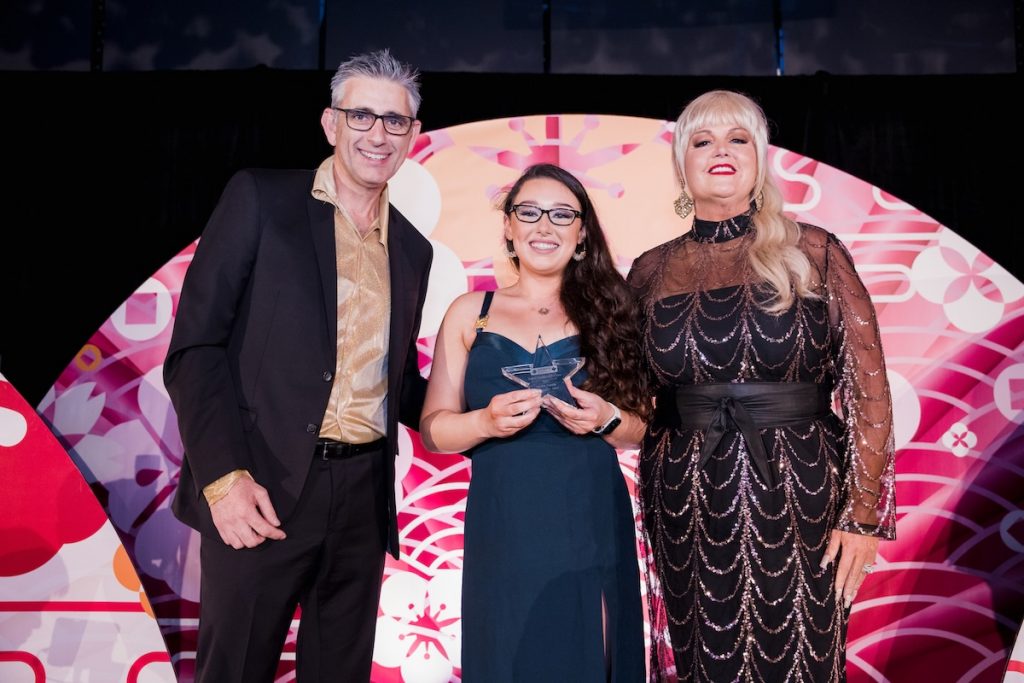
Roaming photography is event coverage built around real-time delivery. The photographer moves through the venue, captures guest interactions and quick posed shots, and shares those images while the event is still happening.
Of course, event photographers have always walked around and shot candids. What makes roaming photography different is that delivery is built into the service. It’s designed for immediacy.
Traditional event photography usually focuses on documenting the event first. You cover the speeches, the stage moments, the group shots, and the overall atmosphere—many of the same moments that appear in a typical event photography shot list. After the event, you sort, edit, and deliver the gallery. Capture comes first, delivery comes later. I’ve written more about how this kind of coverage works in my guide on event photography tips.
With roaming photography, delivery becomes part of the experience. Guests might scan a QR code and receive their photos within minutes through an event photo sharing gallery, or walk away with an instant print. The photos are something they interact with during the event, not days after.
That shift changes how the service works. You’re not just shooting and planning to deal with everything later. You need a workflow that supports fast uploads, easy access, and sometimes live printing, all while the event is still going on.
In the end, the difference comes down to intent. Traditional event photography documents what happened. Roaming photography is built around real-time engagement while it’s happening. Both approaches are valid, but they serve different goals and create different experiences.
Benefits of Roaming Photography
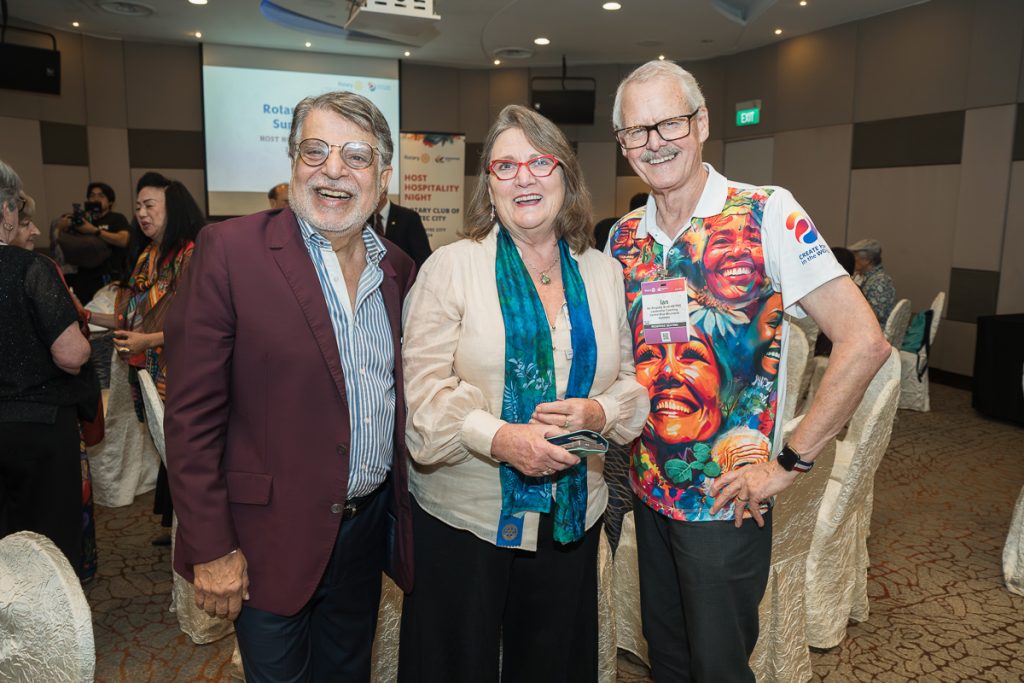
The main advantage of roaming photography comes from instant sharing and on-site printing. When photos are delivered during the event, the impact is immediate for everyone involved.
For Brands and Event Organisers
I’ve had brands bring me in specifically because they wanted guests sharing content in real time. At conferences and product launches, I’ve seen how different the reaction is when attendees receive a professional photo within minutes. They post it while they’re still there, tagging the brand, the event, and sometimes even the sponsors. That kind of visibility happens during the event itself, not days later when attention has already shifted.
At one conference where we delivered photos live throughout the day, people were already posting on LinkedIn before the keynote had finished. The organiser later told me that online engagement felt noticeably higher compared to previous years when galleries were only sent out after everything ended.
Instant prints work the same way, just in a physical form. I’ve seen guests receive a print, pass it around to colleagues, and use it to start conversations. The brand stays present even after they leave the venue.
For Guests
From the guest’s point of view, timing makes a big difference. When someone receives their photo just a few minutes after it’s taken, there’s an immediate reaction. I’ve seen people get the photo on their phone, turn to their friends to show it, laugh, and say they’re posting it right away.
When photos are delivered days later, that excitement is usually gone. The gallery link might get buried in email, or people simply forget to check it. Even if they do, it doesn’t feel the same because the moment has passed.
With instant delivery, guests don’t have to ask where their photos are or wait and hope they’ll receive them. The experience feels immediate, and photography becomes part of the event itself instead of something they look back on later.
For the Photographer
For me, the biggest shift has been getting direct access to guests.
With traditional event photography, I would deliver the full gallery to the organiser and rely on them to send it out. Whether guests actually saw the photos depended entirely on how proactive the organiser was.
With instant sharing, guests access their photos directly from my gallery. They see my branding and contact details straight away, and I’m no longer depending on someone else to pass my work around.
At conferences where we delivered photos live, I’ve had attendees share their images within minutes and tag me directly. That kind of visibility simply didn’t happen when galleries were sent out days later. It creates steady exposure and often leads to new inquiries from other organisers or exhibitors who come across the work in real time. I see a similar effect at weddings, which I’ve written about in more detail in my guide on rethinking wedding sneak peeks.
Instant sharing and live printing also give me something meaningful to offer as an upgrade. They enhance the event experience for the client and guests, and that allows me to price the service higher without increasing my hours on site.
When to Use Roaming Photography

Roaming photography works best when people are moving around and interacting. If the energy is social and guests are mixing, roaming makes sense because I can capture moments and deliver them while the atmosphere is still lively.
- Weddings:
Cocktail hour, the reception and the after-party are ideal. Once the formalities are over and guests are mingling, people are relaxed, dressed up, and open to having their photo taken. - Corporate dinners and conferences:
Roaming fits naturally before speeches begin, during networking sessions, and in exhibition areas. These are the times when attendees are talking and connecting. - Award nights:
When someone walks off stage with a trophy, there’s usually a celebration with friends and colleagues, and everyone wants a photo. - Brand activations:
If the goal is engagement and social sharing, on-the-spot delivery makes a difference. Guests leave with content they can use immediately.
If you want real-time delivery but prefer a more controlled setup, a headshot booth achieves a similar goal in a fixed location. Instead of moving around the venue, guests come to a dedicated space for their photo.
Is Roaming Photography the Right Fit?
Before offering roaming photography for an event, there are a few practical things to consider.
Delivering photos live adds complexity. If I’m uploading images in real time or running instant prints, that’s extra workflow happening alongside the shooting. In most cases, I’ll bring an assistant to help cull images and manage printing. That increases the cost and adds mental load during the event.
Editing expectations also need to be clear.
Photos delivered during the event are usually straight out of camera or only lightly adjusted. They aren’t carefully culled and edited like a final gallery. If a client expects every image to be perfect before anyone sees it, roaming photography may not be the right fit.
Photographers often worry that unedited images will look unfinished. In my experience, guests don’t evaluate photos the way we do. They care about seeing themselves and having something to share while the event is still happening. At conferences especially, many attendees would otherwise never receive a professional photo at all. When they get one instantly, even without editing, they’re usually excited.
The key is setting expectations clearly. Photos delivered during the event are about speed and engagement. If a fully edited gallery is included, that’s handled separately.
How I Do Roaming Photography
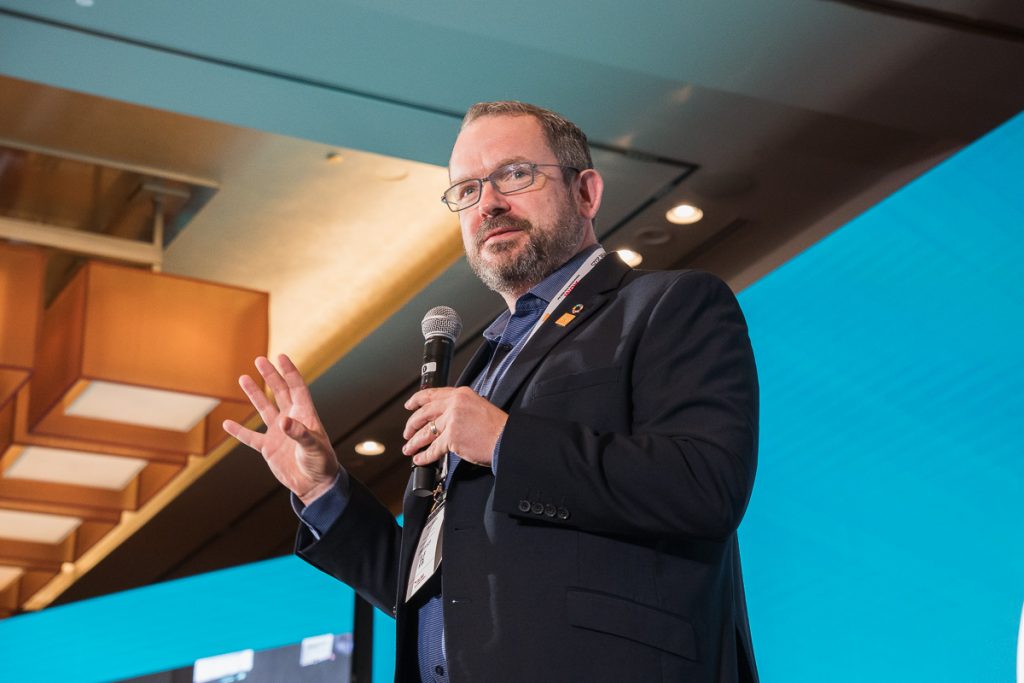
When I offer roaming photography, I treat it as a live production. Because delivery is happening during the event, the workflow has to be simple and reliable.
Before the Event
If guests are accessing photos digitally, I set up the gallery in advance and generate a QR code for it. Clear signage is placed so guests know exactly how to access their photos. The process needs to be simple, without any sign-ups or unnecessary steps.
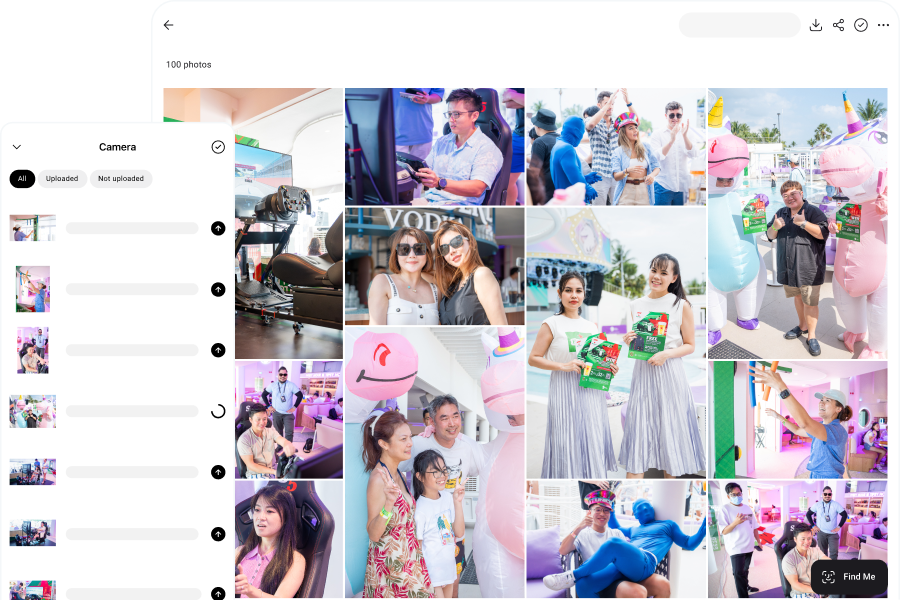
I use Honcho for this because it lets me create the gallery beforehand, generate the QR code, and upload images directly from camera to cloud during the event.
If printing is included, I stick to dye-sublimation printers for high-volume work. I also bring an assistant to manage live printing and light editing. Trying to shoot and run a print queue at the same time isn’t realistic if you want it to run smoothly.
I also make it clear to the client that photos delivered during the event are usually straight out of camera or lightly adjusted. If a fully edited gallery is part of the package, that’s handled separately after the event.
During the Event
Early on, offering instant delivery meant constant SD card swaps, importing into editing software, quick culling, exporting, watermarking, printing, and loading images into slideshow tools. It worked, but it was a slow, multi-step process that was hard to manage in real time.
Now I design the workflow to be as simple as possible. With Honcho, images go straight to the event gallery, and if face recognition is enabled, guests can find their own photos without scrolling through everything.
At one conference, the organiser specifically wanted speakers to receive their photos immediately after coming off stage as a way to show appreciation. By the time they were backstage, their images were ready for them.
If printing is included, new images can be sent directly to the printer instead of passing through multiple pieces of software.
And if the venue has screens available, I can also run a live slideshow so photos appear around the space as the event unfolds. Instead of manually transferring files, images flow from camera to gallery to screen automatically.
Conclusion
In roaming photography, delivery is part of the event itself.
When photos are shared or printed during the event, the response is different. Guests receive their images in the moment, and brands gain visibility while people are still paying attention. As a photographer, your work gets seen right away instead of days later.
It’s not always the right fit. It takes planning, the right setup, and clear expectations. But when the goal is real-time engagement and interaction, it works very well. If the goal is fully edited images delivered after the event, traditional event photography makes more sense.
For me, it comes down to what the event is trying to achieve. If the goal is to create momentum during the event itself, roaming photography is a great option.