
Part of our Business guides
Explore more articles on marketing, pricing, and growth in our Business section.
One of the most common questions photographers ask when starting out is: how much should I charge for event photography?
It sounds like a simple question, but pricing is one of the hardest decisions to get right. It affects almost every part of your business, including your profit margins and the types of clients you attract.
There isn’t a single “correct” price. Rates vary widely depending on your location and market. For example, we offer event photography services in both Singapore and Thailand, and for the exact same service, prices can differ significantly due to differences in operating costs and the competitive landscape.
That’s why pricing is about understanding your market, deciding where you want to position yourself, and building a service that justifies your price.
In this guide, I’ll walk through how event photography pricing actually works, from the key factors that affect your rates to the strategies you can use to price your services more effectively.
How to Price Your Event Photography
Instead of thinking about pricing as a fixed number, it helps to approach it step by step. These are the principles I’ve found to be the most useful when setting and adjusting event photography pricing.
Research Your Competition
Event photography is a local service, which means your pricing should make sense within your market.
Start by researching what other photographers in your area are charging. This gives you a rough idea of what low, mid, and high pricing looks like locally. What you’re looking for is the range that clients are already comfortable paying.
You don’t want to price yourself significantly lower than your competitors, as it often means you are undervaluing your service and leaving money on the table.
At the same time, just because you can set a higher price does not mean the market will accept it. Understanding your competition helps you find a realistic range to work within.
Understand Your Positioning
Once you understand your market, the next step is deciding where you want to position yourself.
If you are just starting out, pricing at the lower end can help you get your first clients, build your portfolio, and learn how to prioritise what matters. This works as a short-term strategy, but it is difficult to sustain. Lower-paying clients often require more effort, and you need higher volume to make it worthwhile.
Over time, many photographers move towards the mid-range, which is where I prefer to operate. This allows you to compete on value while staying accessible to most clients.
At the higher end, pricing depends more on brand, reputation, and referrals. Clients are less price-sensitive but expect a higher level of service.
Pricing is also a signal of quality. Many clients avoid the lowest-priced options because they associate them with lower quality or reliability.
Simplify Your Event Photography Pricing
One mistake many photographers make is overcomplicating their pricing.
Different rates for every event type, multiple packages, and too many variables can make it harder for clients to understand your pricing and slower for you to quote.
I’ve found that keeping my pricing simple often works better. For example, using a consistent hourly or half-day rate across different types of events, and adjusting only when the scope of work changes significantly.
Simpler pricing makes it easier for clients to decide quickly, which improves your conversion rate.
What Lets You Charge More
Once you understand your market and positioning, the next question is how to increase your pricing over time.
One of the most effective ways to do this is by offering value-added services. Instead of competing purely on price, you’re giving clients more reasons to choose you and making it easier to justify higher rates.
These services make your photography more useful, more visible during the event, and more memorable for both clients and guests.
Instant Delivery of Photos
Photos are most valuable during the event, not just after it ends.
When guests can see their photos shortly after they are taken, they become more engaged and more likely to share them. Photography becomes part of the event, not just something delivered later.
Clients also benefit from this. They can use images for social media, internal communications, or marketing while the event is still ongoing.
I’ve seen this play out at conferences where attendees were already posting their photos on LinkedIn before the keynote had even finished. That kind of real-time engagement is something you simply don’t get with traditional delivery.
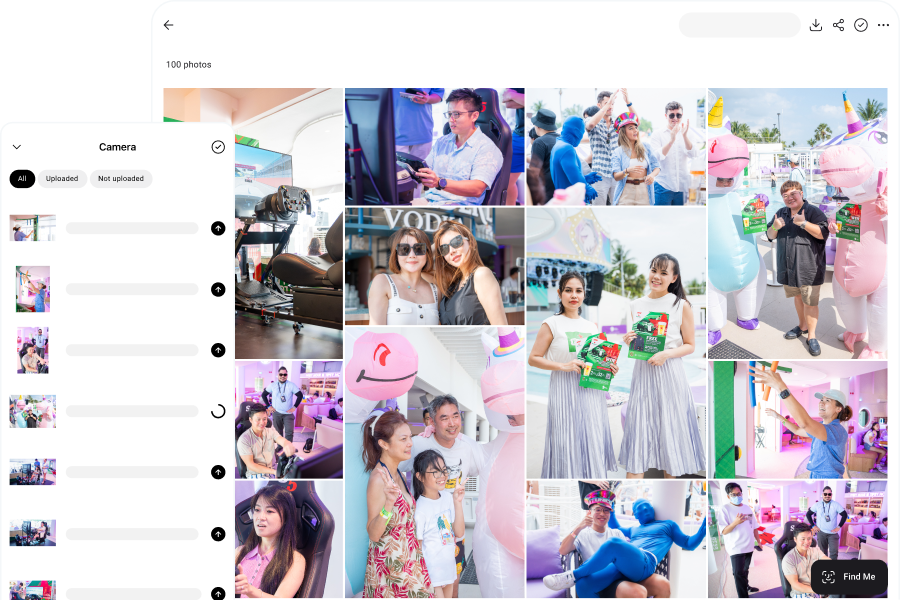
In my own workflow, I use Honcho to deliver photos instantly, so guests can view and share them within seconds. This has a noticeable impact on how clients perceive the value of the service, because it directly improves the experience for their guests.
Face Recognition for Guests to Find Their Photos
Making photos easy to browse and access has a bigger impact than most photographers expect.
If guests have to manually search through hundreds or thousands of images, many of them simply will not find their photos.
Allowing guests to automatically find their own photos using face recognition removes this friction completely. It makes the process effortless and your service feel more thoughtful.
Live Slideshows
People love seeing great photos of themselves. When images appear on a large screen just minutes after they’re taken, it creates a different kind of energy at the event. Guests gather around, point at photos, and wait to see if theirs shows up next.
Live slideshows turn photography into part of the event, rather than something happening in the background.
This increases engagement, encourages sharing, and makes your work one of the most visible parts of the event.
Instant Printing
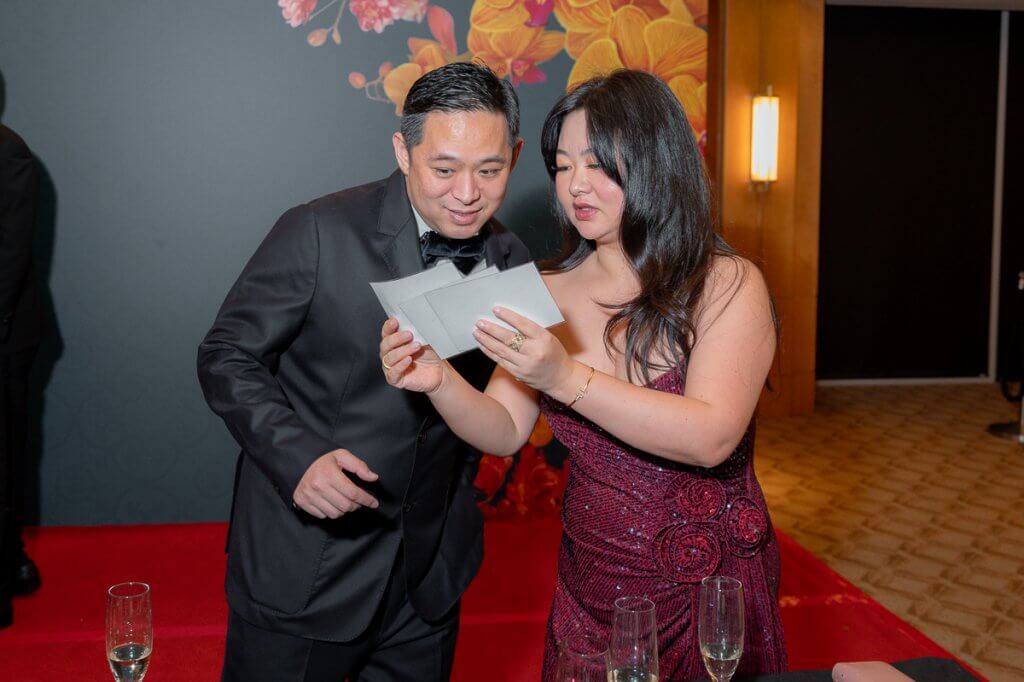
When guests receive a printed photo within minutes, it becomes something they can hold onto. It also makes photography more visible, as people walk around with their prints and share them with others.
The most common print size is 4R (4 × 6 inches), with 5R (5 × 7 inches) as a common upgrade for clients who want something slightly larger.
Many events include a branded border or overlay with the company logo and event name. This turns each photo into a commemorative keepsake and reinforces the event branding.
Some clients go a step further with custom photo sleeves, which prints are inserted into before being handed out. These are produced in advance by print shops, and the cost can be bundled into your package.
Example Event Photography Pricing
Most photographers fall into roughly three pricing tiers:
- Budget: $100–$200/hour — basic coverage with slower delivery
- Mid-range: $200–$400/hour — consistent quality with faster turnaround
- Premium: $500+/hour — brand-driven, high-touch service
Pricing varies significantly by location, but these ranges give a general sense of how different tiers are positioned.
I prefer to offer a small number of packages instead of purely hourly rates. The base package focuses on coverage, while higher-tier packages include value-added services like instant delivery, face recognition, live slideshows, or instant printing.
For example, I offer a 4-hour “social” package with all of these included at roughly 2.5 times the price of event photography alone, while working the same number of hours.
This makes it easier for clients to decide and creates natural upgrade paths based on experience, not just coverage time, which becomes important as you scale your photography business.
Common Event Photography Pricing Mistakes
One mistake I see often is pricing based purely on cost. While it’s important to cover your expenses, clients are not paying for your costs. They are paying for the value you create. If your pricing is based only on time and expenses, it becomes difficult to raise your rates over time.
Many photographers also overlook how much delivery time affects perceived value. When it comes to events, photos have a time value. Faster delivery, especially during or soon after the event, can make your service far more valuable. That’s why I deliver fully edited photos within 3 business days if the client hasn’t specified a timeline.
Finally, many photographers overcomplicate their pricing with too many packages or add-ons. This makes it harder for clients to decide and slows down the sales process. In my experience, event planners are in a constant hurry, and they want simple event photography pricing to make a quick decision. It makes it easier for them to become your repeat clients too, because they know that they will not be surprised by any differential pricing.
Psychological Pricing
How you present your pricing has a direct impact on how clients perceive it.
One simple tactic is how your prices end. Prices that end in 9 feel more cost-competitive, which works well if you’re targeting budget or mid-range clients. On the other hand, round numbers tend to feel more premium and are often a better fit for higher-end positioning.
The way your prices are displayed also matters. Removing cents makes prices easier to process and less intimidating. For example, $300 feels more approachable than $300.00.
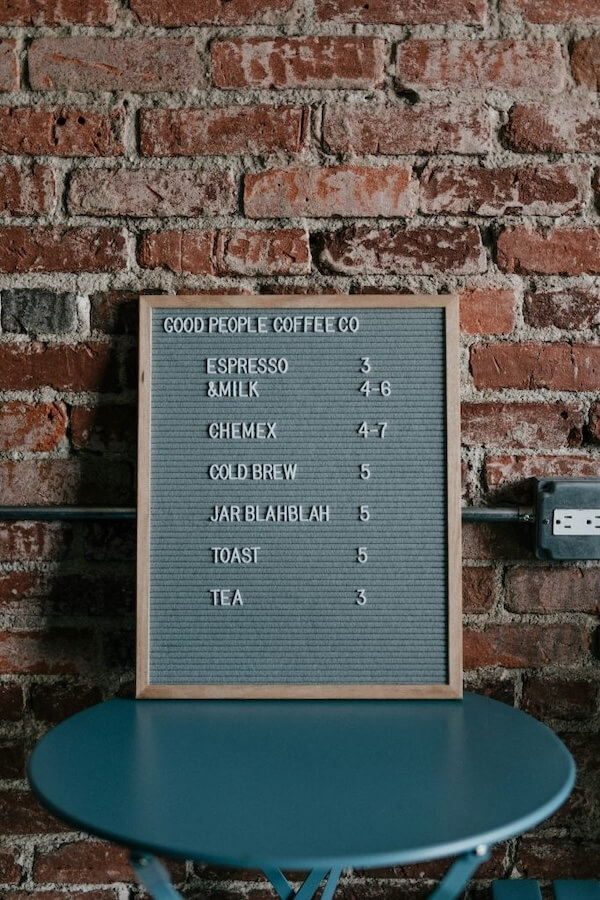
Clients also tend to prefer flat, predictable pricing over pay-per-use options, even when the total cost is higher. This means offering a small number of packages that include your value-added services, rather than pricing everything separately. Instead of choosing individual add-ons, clients simply decide between two or three options.
Conclusion
One of the most common challenges in event photography is the constant downward pressure on pricing. This often comes from newer photographers entering the market at lower rates.
That’s why it’s important to understand your positioning. If you’re not targeting the low end of the market, those clients were never yours to begin with.
Over time, the goal is to move up by increasing the value you offer. This doesn’t necessarily mean working more hours, but improving the experience for your clients and their guests. Faster delivery, better accessibility, and more engaging event experiences can have a positive impact on pricing.
It’s also important to keep your pricing clear and simple. Clients make decisions quickly, and confusing pricing only adds friction.
Pricing is not something you set once. It evolves as your business grows. Whether you’re just starting out or already established, it’s worth revisiting your pricing regularly and refining it as you improve your workflow and the value you deliver.