
Part of our Workflow guides
Explore more articles on working faster, managing volume, and delivering efficiently in our Workflows section.
Quick answer: There’s no standard retention period, but we recommend keeping client galleries online for at least one year and original files for at least three years. If you have the storage, keeping the original files for longer is even better.
In this article, “original files” means the RAW photos with their edits preserved, such as RAW files managed in Lightroom.
One year gives clients plenty of time to download their photos. It also gives them some breathing room if they need to come back to the gallery months later.
Leaving a gallery online for a year also doesn’t have to cost much. Many online gallery platforms now offer unlimited storage, including Honcho, so there’s less reason to take galleries down quickly just to save space.
For original files, we recommend keeping them for at least three years. That recommendation comes partly from our own experience as photographers. We’ve had clients from events as far back as three years ago contact us asking for their photos again. Keeping the original files gives you a better chance of helping when that happens.
Of course, other photographers use different timelines. Joanna Pantigoso keeps client photos visible in the gallery for six months, then keeps them offline for another two years. Mike Glatzer says he keeps delivered or purchased images for two years. Wedlake Photographic published a ten-year retention policy in 2019.
The main thing is to choose a policy you can stick to. Keep the client gallery available long enough that clients don’t feel rushed, keep the original files long enough to handle realistic future requests, and tell clients clearly how long they can expect each to remain available.
Which files should a photographer retain?
Different types of files don’t need the same retention period. A client gallery, original files, and rejected photos each serve a different purpose, so it makes sense to treat them separately.
| File type | Recommended retention | Why |
|---|---|---|
| Client gallery | At least 1 year | Gives clients plenty of time to download their photos or come back to the gallery later. |
| Original files | At least 3 years, longer if practical | Clients sometimes return years later asking for their photos again. Keeping the originals gives you a better chance of helping. |
| Rejected photos | No need to keep long term | Once you’ve finished culling and delivered the job, these files usually have little value. |
Retention also isn’t the same as backup. A retention policy decides how long you keep the files, while a photo backup workflow protects the files you’ve decided to keep from loss.
How can you choose a realistic retention period?
Start with how likely your clients are to come back. Wedding, family, and newborn clients may want another copy years later for an anniversary or simply because they lost their original files. Recurring corporate clients may also return to old event photos for future marketing or internal use. In those cases, keeping the original files for longer than three years can be worthwhile.
Other jobs are less likely to be needed again. If you shoot a one-off commercial campaign that’s unlikely to be reused, there may be less reason to keep the original files indefinitely once the agreed retention period has passed.
Storage is the other practical limit. A portrait photographer shooting a few hundred RAW files per job can keep years of work much more easily than a sports photographer producing tens of thousands of images at every event.
If storage starts becoming a problem, we’d first reduce what you keep rather than immediately shortening the retention period. Delete rejected photos after the job is complete, keep the RAW files and edits for the photos worth retaining, and move older jobs to cheaper long-term storage where practical.
How much storage do RAW files take?
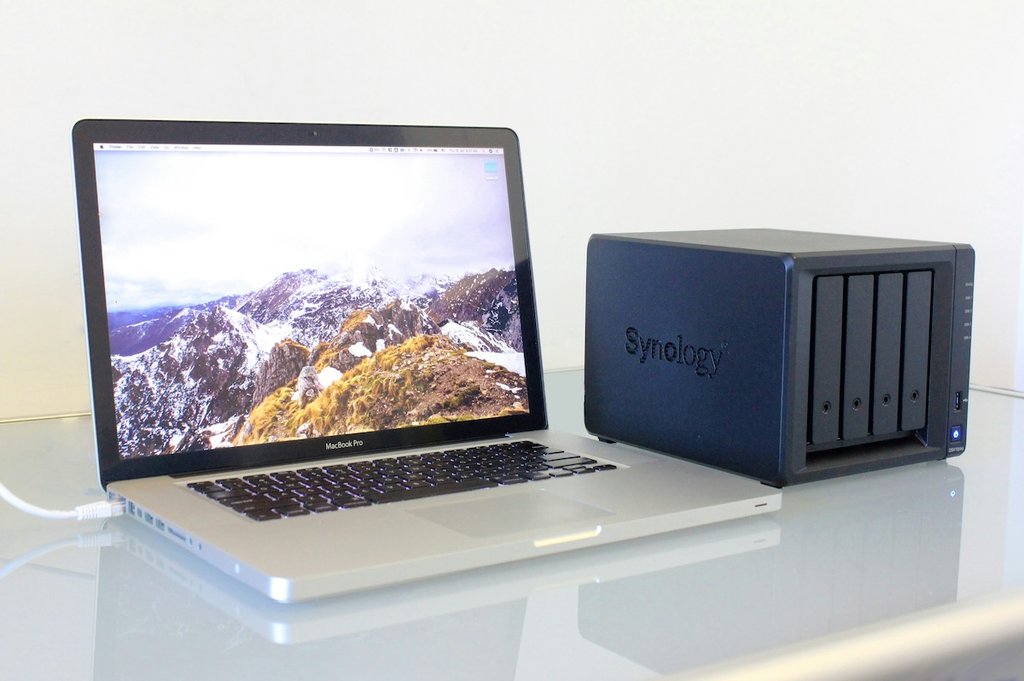
Original files take up much more space than the finished JPEGs in your client gallery. For a simple example, let’s assume a RAW file size of around 30 MB.
That means:
- 500 RAW files from a portrait session: about 15 GB
- 2,000 RAW files from a wedding: about 60 GB
- 20,000 RAW files from a marathon: about 600 GB
This is why storage becomes a much bigger consideration for some photographers than others.
What should you tell clients about photo retention?
Tell clients how long their gallery will stay available and how long you plan to keep the original files.
You can keep the wording simple:
Your gallery will remain available for one year after delivery. We’ll keep the original files for at least three years, but we recommend downloading and keeping your own copy of the finished photos.
Use the same wording in your contract and repeat it in the delivery email so clients know what to expect.
What should you do before a gallery closes?
Give clients about a month’s notice before their gallery closes so they have enough time to download anything they want to keep.
If your gallery shows download activity, check it before closing access. If the client hasn’t downloaded their photos yet, send them a reminder rather than letting the gallery disappear without warning.
For example:
Your gallery will close on [date]. Please download any photos you want to keep before then.
Once the deadline passes, close the gallery as promised. If you still retain the original files, say that gallery access has ended rather than saying the photos have been deleted.
Frequently asked questions
We recommend keeping the client gallery online for at least one year and the original files for at least three years. Wedding clients may come back years later because they lost their original download, want to make new prints, or need the photos again for an anniversary or other occasion.
No. You don’t need to keep every test shot, duplicate, missed-focus frame, or rejected image. Keep the RAW files and edits for the photos worth retaining, then delete the rest once the job is complete.
Yes, you can charge for the work involved in retrieving and redelivering archived photos. If you do, make the fee clear in your terms so clients know what to expect.